
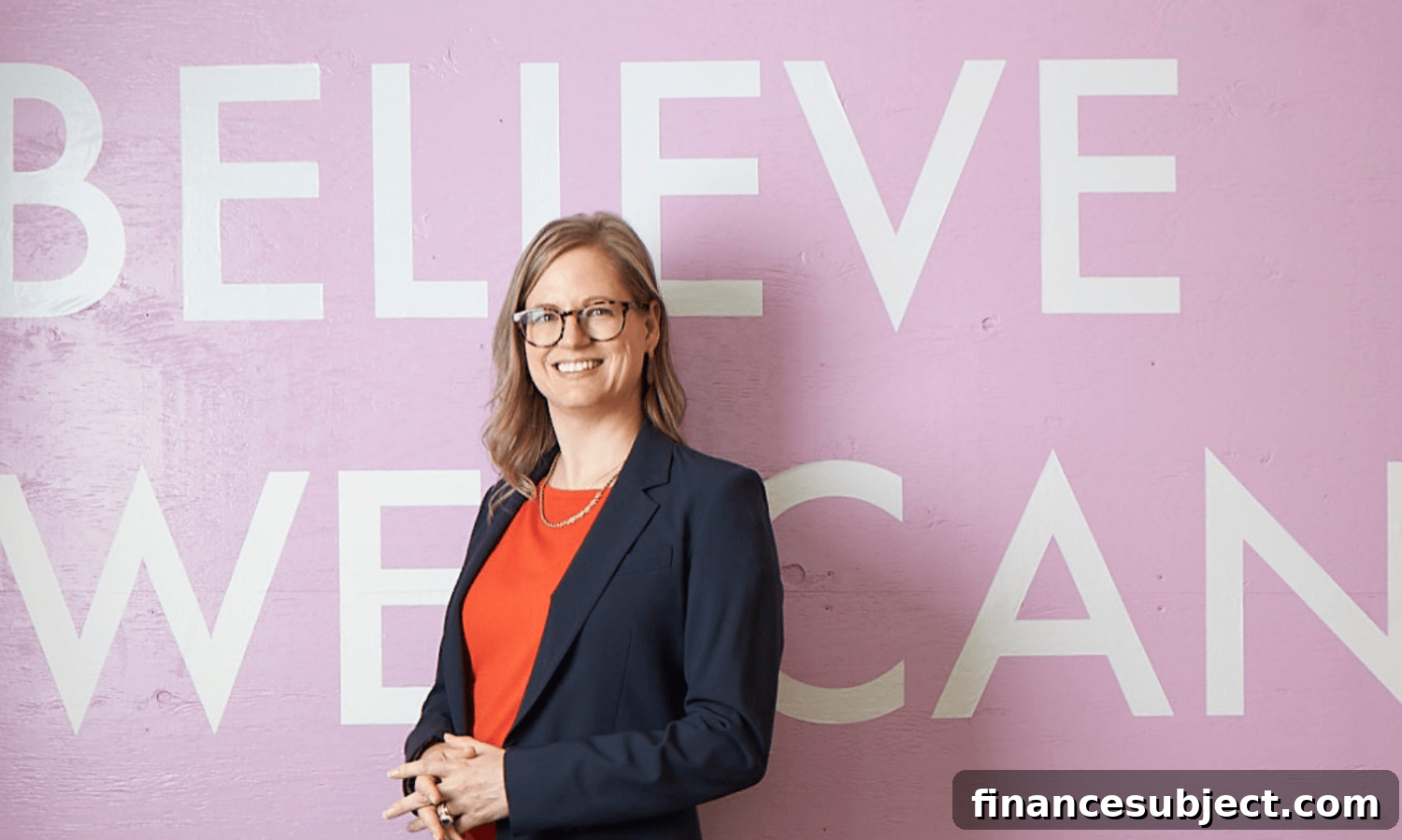
Kristine Beese didn’t set out to shake up Canada’s financial planning industry. She began her career as an engineer in the oil and gas sector, but after a negative experience with a bank financial advisor, she decided to learn how to manage her own investments. Beese returned to school, earned an MBA and transitioned into finance.
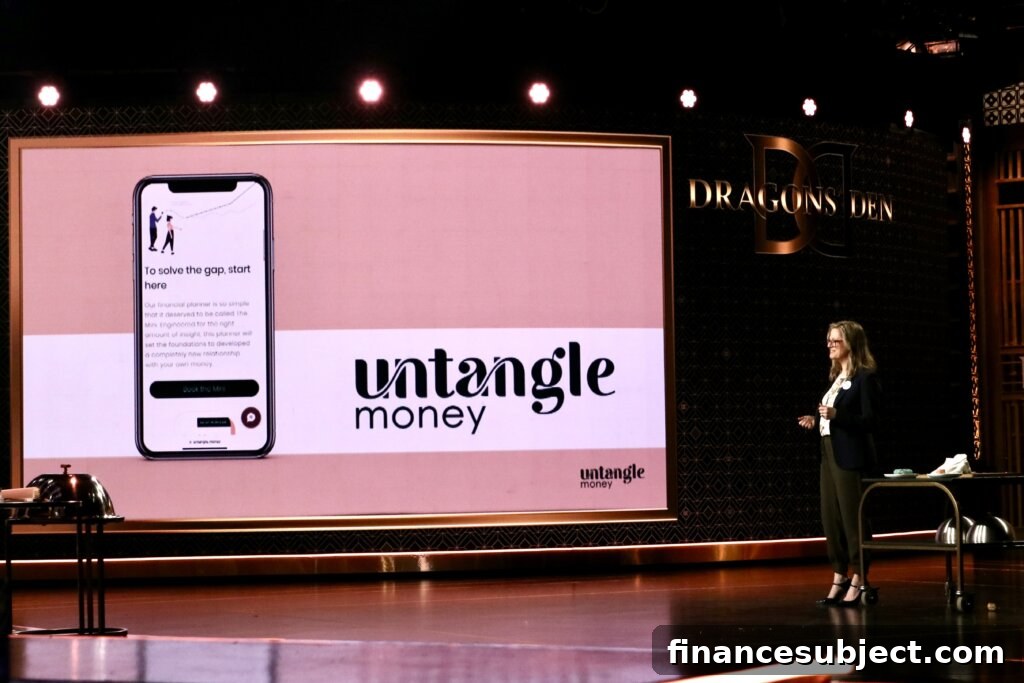
For a decade she worked with institutional and accredited investors—professional clients and those with a net worth of at least $1 million. Over time, she grew frustrated by how the financial system often fails to meet women’s needs. In 2020 she founded Untangle Money, an online platform that delivers accessible, high-quality financial planning tailored to everyday women. Its ambitious mission is clear: get an effective financial plan into the hands of 1 million Canadian women within four years.
Beese is also working toward earning her Certified Financial Planner designation. We asked her about investing inspirations, her views on debt, and how she manages money for short-term goals.
You started Untangle Money to help women create financial plans that reflect their earning power, life events and retirement goals. How are women underserved by the financial system?
There are few solid, affordable options for most Canadian women seeking financial planning. Financial planning is often treated as gender-neutral, but research and industry leaders have warned that plans built around male assumptions can leave women short in retirement. In Canada, a significant share of senior single women are considered low-income, and the broader industry recognizes retirement as a systemic challenge for women.
Many bank branches still position financial advisors primarily as salespeople who promote expensive products. Wealth management services are often geared toward high-net-worth clients—many of whom are men—so minimum asset requirements frequently prevent women from accessing that level of advice. Meanwhile, fee-for-service financial planning is valuable but can be prohibitively expensive for most Canadians; the average price tag makes regular, periodic planning out of reach. Few traditional planners build systems that accommodate common life events for women, such as maternity leave or income reductions to provide elder care.
Untangle Money aims to change that. The company offers Untangle MINI, a focused planning session that zeroes in on two key metrics for women: “now money” and “future money.” That session is priced at $499 plus HST. An automated version of the MINI is scheduled to launch on International Women’s Day 2024 at an entry price of $100 plus HST.
Who are your money and investing heroes?
I admire many people in finance and business, but these six stand out for me:
- Hetty Green — a remarkable and overlooked investor. She lent money to New York on several occasions when banks wouldn’t, and she supported women’s access to medical education through philanthropic gifts.
- Geraldine Weiss — the first woman to publish an investment advisory service focused on dividend stocks. She signed her newsletter “G. Weiss” to avoid gender bias.
- Warren Buffett — for the clarity and transparency of his annual letters, which were foundational to my investment education.
- Sallie Krawcheck — founder of Ellevest, a robo-advisor aimed at women. She challenged product pricing decisions during the financial crisis and has been a major voice in conversations about women and money.
- Tom Bradley — co-founder of the Canadian investment firm Steadyhand. His books make investing practical and plainspoken, and his firm opens access to funds often reserved for high-net-worth investors.
- Shannon Lee Simmons — founder of the New School of Finance, whose books on money and debt provide highly practical, down-to-earth guidance.
How do you like to spend your free time?
As a startup founder and mother of three, free time is limited. When I do get breaks, I try to balance exploring new activities with returning to favorites: reading, climbing, cycling or meeting friends. Those moments recharge me.
If money were no object, what would you be doing right now?
I’d be doing what I do now—but accelerating Untangle Money’s growth and expanding it internationally. I love travel and the flexibility of remote work, and I’d also go back to school because I enjoy learning.
What was your first memory about money?
My earliest money lessons came from my parents: always pay your credit card in full; buy quality once rather than replace cheap items repeatedly (especially kitchenware); save up for what you want. They also taught that you don’t need to overspend to enjoy art or wine—good options exist at many price points.
Looking back, I wish they had prepared me for how expensive life can be and how hard financial choices feel when every option seems imperfect. Still, their guidance taught me that money is a tool: used deliberately, it helps you shape the life you want and align spending with long-term goals.
What’s the first thing you remember buying with your own money?
I was nine when I bought a trampoline from Costco. I saved birthday and gift money until I could afford it. Owning something I’d worked towards felt great, and I used it well into my teens.
What was your first job? How did you spend your first paycheque?
While at university I worked the front desk and bar shifts at a golf and tennis club called The Landings. My first paycheque went toward essentials: cable, food and drinks for the house I rented with five classmates.
What was the biggest money lesson you learned as an adult?
Buying my first car new without negotiating was a painful lesson. I didn’t realize you could ask dealers to compete on price. A friend shopped multiple dealers, negotiated aggressively and paid far less for a better car than I did. Later I also realized that a car brought me little joy relative to travel or experiences I value more—so a used, more affordable vehicle would have been a smarter choice.
What’s the best money advice you’ve ever received?
Warren Buffett’s version of “look after the pennies and the dollars will look after themselves” resonates with me. I often find that creatively doing things for less money not only reduces cost but increases satisfaction because you were intentional in the decision.
What’s the worst money advice you’ve ever received?
“Don’t worry about it; it will all sort itself out.” That’s bad advice. It relinquishes control over your life and finances and puts your future at the mercy of circumstances and others’ decisions.
Would you rather receive a large sum of money all at once or a smaller amount every week/month for life?
I would take the lump sum. I’m confident in my ability to invest it effectively. Still, a guaranteed recurring payment that adjusts for inflation would be an incredible gift and a strong form of financial security for many people.
What do you think is the most underrated financial advice?
Two things: first, start planning for your financial future now. Waiting until later erodes opportunities to build a meaningful retirement balance. Financial professionals have the tools to show how early decisions compound and should prioritize that guidance.
Second, take full advantage of employer matching programs—RRSP matches, pensions or employee stock programs. For most people these are a meaningful part of compensation and a powerful accelerant toward long-term goals. Many Canadians leave significant value on the table by not participating.
What’s the biggest misconception people have about growing money?
That you can simply save your way to retirement with a conservative investment approach. Unless you start very early, receive substantial help, or inherit wealth, a conservative portfolio may not generate the long-term returns needed to sustain a comfortable retirement into advanced age.
Can you share a money regret?
I regret assuming working for a big corporation would be more lucrative and less demanding than self-employment. Early in my career I contracted, grew my own client base and hired help. I later moved into banking for prestige, but the role was more rigid, required constant availability, and ultimately paid less than my best self-employed years—despite the long hours and stressful environment.
What does “value” mean to you? What is something you don’t mind spending money on that someone else might not?
Value to me is emotional return for money spent. Right now I happily pay for a house cleaner. With three children, cleaning is a constant chore, and having someone take it off our plates a few times a month is a mental and practical gift that boosts family well-being.
What’s the first major purchase you made as an adult? What purchase took the longest to decide to buy?
Aside from my car, my first major purchase was a condo. I spent a lot of time researching the condo market in Calgary. The purchase that took longest to decide on was an iPhone—my family prefers PCs, so adopting the iPhone’s ecosystem was a deliberate choice that I delayed before finally committing.
What’s your take on debt?
High-interest debt should be paid off immediately and avoided whenever possible. Some forms of debt can be useful, but any debt carries the risk of a “debt spiral,” where incremental borrowing feels small against an already high balance. That’s when money starts working for the lender rather than for you.
What was your most recent splurge?
I avoid romanticizing impulsive spending as a “splurge.” Spending without reflection often signals misalignment between expenditures and priorities. At Untangle we call habitual unplanned spending “F@ck It Money”—a coping behavior that undermines long-term goals.
Recently my husband and I prioritized our relationship time. We reallocated money, hired a babysitter and had several date nights. To afford this, we cut subscriptions and gym classes. That intentional shift felt much healthier than an unplanned splurge.
What’s the last money-related book you read? What did you think of it?
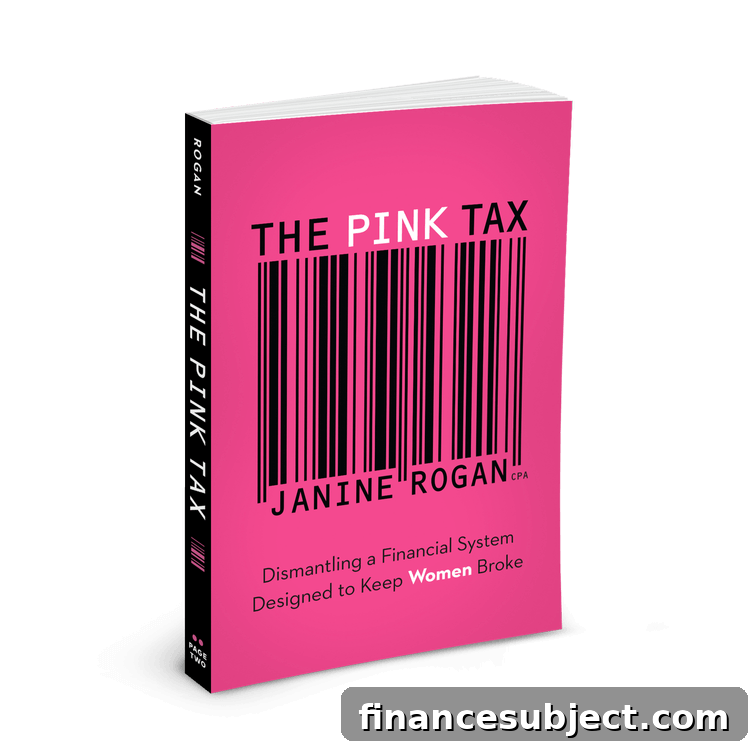
The Pink Tax by Janine Rogan (Page Two Books, May 2023). It’s an excellent read that exposes how women often pay more for products and services while offering practical financial tips and a sharp, humorous voice.
Read an excerpt of The Pink Tax.
What’s your favourite possession?
My favourite item right now is the coffee urn my husband bought me for our 11th anniversary. It keeps drinks warm all day, is easy to refill during meetings, and simply makes me smile every time I use it.
My MoneySense quick questions
Rent or own?
It depends on the stage of life. I would like to own long-term and, if I move elsewhere, keep the property as a rental. I’ve done this before and hope to again.
Buy or lease?
I prefer buying used. It’s usually better for both the environment and your finances. Treat a used car well and drive it as long as it’s reliable.
Save or invest?
Generally, invest. For short-term needs under two years, I use a high-interest savings account or laddered GICs. For most other goals, investing and keeping a flexible timeline tends to be more effective.
Budget or not?
I favour a high-level budget over detailed tracking. Detailed budgets feel too administrative to maintain consistently. I prefer knowing my limits with a concept I call “Flex Money”: after covering fixed commitments and retirement savings, the remainder is the money you can freely spend. Dividing that annual Flex Money by roughly 2,000 working hours gives you a per-hour value that helps you decide whether an expense is worth the work required to earn it.
What’s your next money goal?
We’re saving for an extended family trip. My husband and I love backpacking and cultural immersion. Our plan is to take a year to travel and find ways to work and travel affordably so our children can experience the world up close.
More from My MoneySense:
- Doretta Thompson on the smart way to pay for experiences and other money tips
- Mallory Greene on building wealth, leveraging debt and spending without guilt
- Reni Odetoyinbo on why you should pay yourself first and have multiple income streams
- Alyssa Davies on aiming for CoastFIRE, valuing time and more
- Tennis star Vasek Pospisil on seizing investment opportunities and living without regrets