

CONCEPT: The Money Revolution pushed modern society to a point where almost everything can be sold. Skills, talents, hobbies and knowledge are monetizable, and decentralized platforms let people enter the market immediately—without banks or traditional gatekeepers.
Massive economic shocks tend to accelerate change, and the pandemic delivered one of the most disruptive shocks in recent memory. Beyond the obvious human toll, the crisis revealed how fragile complex systems can be: a virus stalled global supply chains, closed offices and schools, and forced people to re-evaluate how they live and work.
During that period many people reflected on priorities—family, health, time, and the trade-offs of their jobs. The result was a wave of labor-market shifts: the so-called Great Resignation saw millions leave their roles, and a parallel movement—quiet quitting—encouraged employees to limit their effort to the job description rather than go above and beyond. Even more radical online movements questioned whether the current model of work or capitalism itself was sustainable.
Two themes ran through these movements. First was a broad skepticism of established institutions: corporations, finance, and bureaucracies were viewed as stacked in favor of elites. This distrust cut across political lines, bringing together people of different ideologies who shared frustration with the status quo.
The second, more complex theme was that many who criticized the system were not opposed to earning money. The meme “get the bag” became common: people wanted financial independence and were willing to reject exploitative employment models while still pursuing wealth by other means.
That contradiction played out in many ways. Podcasts launched with lucrative sponsorships. Social media creators secured brand deals. Individuals opened online stores and side hustles. The desire to avoid traditional employment did not always mean embracing poverty—far from it; people wanted alternatives that paid well and offered autonomy.
When one cargo door closes
When schools closed in the spring of 2020, many educators and service workers found themselves reinventing their careers. One example is Rebecca Rogers, a social studies teacher who started posting lighthearted, character-driven videos on TikTok as a creative outlet. Her content—short stories, roleplays and a recurring series answering moral dilemmas—resonated widely and turned her into a viral creator with a rapidly growing audience.
Other entrepreneurs spotted opportunity in the chaos. As global shipping snarled, entrepreneurs like Jake Slinn bought backlogged, unopened shipping containers and resold their contents. Each container was a surprise package—from construction materials to electronics—creating a new resale market spawned by disruptions in global logistics.
Remote work created another broad opportunity. Businesses and organizations that once resisted virtual operations adopted them out of necessity. Religious services, therapy, education, fitness, legal hearings and medical consultations all moved online. The rapid adoption of remote tools reduced friction for countless service-based businesses and made it easier to scale ideas that had previously required in-person infrastructure.
Small experiments often turned into sustainable revenue streams: virtual meditation groups charging modest monthly fees, dog trainers teaching via video calls, or niche membership communities with steady subscription income. These microbusinesses illustrate how remote tools and marketplaces lowered barriers to entry and enabled creators and service providers to reach paying customers worldwide.
How it started, how it’s going
We now live in an era of “peak marketplace,” where nearly anything can be bought and sold in fast-moving virtual markets. New payment rails and decentralized platforms have multiplied options for creators and sellers, allowing many to accept payments directly and avoid traditional transaction intermediaries.
Regulatory and technological changes eliminated some traditional barriers to entry. Financial instruments and trading tools once reserved for professionals became more accessible, and platforms made it possible to build audiences and monetize them quickly. Governments and institutions even experimented with commodifying unusual assets—citizenship-by-investment programs and novelty products that blur lines between commerce and civic life.
At the same time, social media makes it possible to amass large followings quickly. Creators can monetize attention through sponsorships, affiliate arrangements and direct payments from fans. For many, the revenues from partnerships and brand deals far exceed the earnings from a single product or service. A teacher who once earned supplementary income by selling lesson plans online can now surpass that with sponsored posts or platform-driven monetization.
That shift has profound implications. Everyone with an internet connection can become a creator or seller, and many of these creators hold significant influence. Collective action and viral movements can redistribute attention and wealth, launch careers overnight, or disrupt markets—sometimes intentionally, sometimes as a byproduct of virality.
The result is an economy that is exciting, messy and unpredictable. For people seeking alternatives to traditional employment, the opportunities are real: side hustles, self-employment, creator careers and small online businesses are viable paths to income and independence. Yet these opportunities also demand new skills—audience building, digital marketing, platform navigation and financial savvy—to turn attention into sustainable earnings.
This is not a utopia nor a guaranteed escape from systemic problems. It is, however, a new landscape where resilience, creativity and adaptability are powerful assets. The Money Revolution has widened the range of economic possibilities, and those who learn to navigate marketplaces, remote tools and creator ecosystems may find ways to thrive in an economy that continues to evolve.
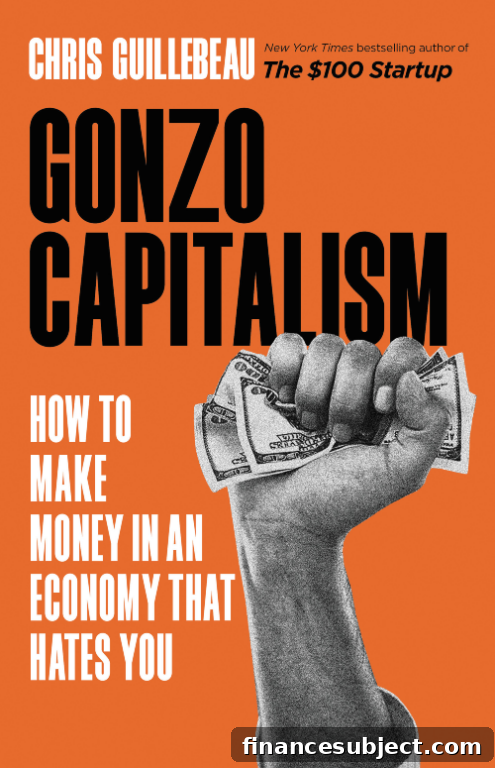
Excerpted from Gonzo Capitalism: How to Make Money in an Economy That Hates You by Chris Guillebeau. (Copyright 2023 by Chris Guillebeau. Published with permission by Little, Brown Spark, an imprint of Little, Brown and Company.) The author’s previous books include The $100 Startup, Side Hustle, The Art of Non-Conformity and more, and he runs a popular daily podcast, “Side Hustle School.”
More about self-employment:
- Side hustles and self-employment in Canada: taxes, business expenses and more
- How to make more money in Canada: six side-hustle ideas
- Self-employed? Here’s how to file taxes for a side hustle
- How to become a digital nomad—and not go broke