

Food prices in Canada have risen sharply in recent years. After food inflation jumped 10.5% in 2022, Canada’s Food Price Report forecasted another 5%–7% increase in 2023. Even as grocery bills trigger sticker shock, many households still discard a significant share of what they buy. On average, Canadian families of four throw away roughly 10% of their groceries. What does that cost you, and how can you change habits so you stop losing money and wasting food? Below is a clear look at the true cost of household food waste and practical strategies to cut waste, save money, and help the environment.
How much does food waste cost Canadian families?
How much food do you throw away each week? According to Graham Hill, chief revenue and strategic affairs officer at Second Harvest, roughly 21% of avoidable food waste in Canada occurs at the household level. Every Canadian household wastes about 79 kilograms (176 pounds) of food annually—about 20 kilograms more per person than the average American, according to the UNEP Food Waste Index Report.
Consider a typical household spending $200 a week on groceries. With a 15% price increase, that’s roughly $30 extra per week, or about $1,565 more for the year. That increase is comparable to the estimated $1,766 per year the average household wastes on food, based on Statistics Canada and Second Harvest research. In short, you may already be throwing away an amount equal to the recent rise in your grocery bill—so reducing waste can effectively offset inflation’s impact.
6 strategies to reduce food waste
From understanding date labels to smarter storage and creative uses for leftovers, these six approaches can help you waste less food and save money.
Understand best-before dates
Best-before dates are a major cause of household food waste because many people treat them as safety deadlines. Hill points out that “best-before does not mean bad after.” Outside a few specific items—such as baby formula, certain medical nutrition products, and similar regulated items—most foods remain safe and usable past their best-before dates.
Use your senses: look, smell, and taste to judge whether a product is still fine. For example, you can often remove mold from a hard cheese and use the rest. Second Harvest provides a Best Before Date Timetable with guidance on how long common foods remain good to eat—useful information for extending shelf life and stretching your grocery budget.
Plan meals for the week
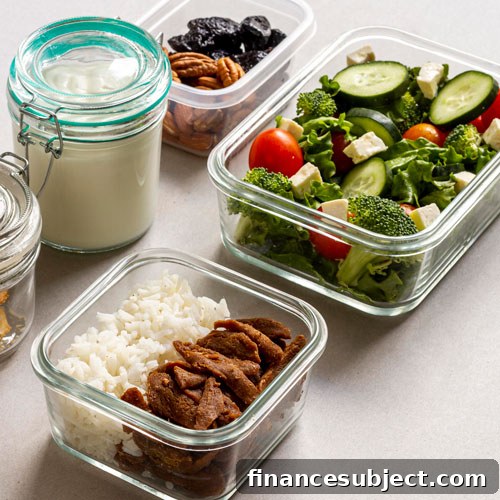
Meal planning helps you buy only what you need and avoid impulse purchases that end up in the bin. Kathryn Kellogg of the Going Zero Waste blog recommends a simple approach she calls “The 5-Minute Meal Plan”: check your fridge, list what needs to be eaten first, and build a shopping list from there. Online grocery shopping can also help you stick to a planned list and avoid adding extras.
Keep a rotating list of favourite meals that share pantry staples—Italian dishes, for example, use similar ingredients that can be turned into pasta, pizza, casseroles, or calzones. Kellogg also suggests planning a week of meals, then removing one before you shop in case plans change; making an extra trip to the store is better than wasting food.
Invest in proper food storage
Correct storage extends the life of produce and prepared foods. Some tips: store tomatoes on the counter rather than the fridge; keep lemons in a bowl of water in the refrigerator to extend freshness; place carrots and celery in a container of water to keep them crisp for weeks; and store fresh herbs like a bouquet in a jar with water to prolong their life.
The freezer is also a powerful tool—freeze items you won’t use right away rather than letting them spoil. Organize your fridge and pantry using FIFO (first in, first out): place new purchases behind older items so the oldest food is used first.

Repurpose leftovers
Leftovers are a major source of household food waste—but they can be turned into delicious meals. Ideas for using leftover proteins and vegetables include:
- Make a protein bowl with grains, vegetables, and a dressing.
- Refresh leftovers with fresh herbs, citrus, or a new sauce.
- Use them as fillings for tacos, quesadillas, or sandwiches.
- Combine proteins, vegetables, and mashed potatoes for a casserole or Shepherd’s pie variation.
If you find yourself with surplus food you won’t eat, share it with a neighbour, a friend, or colleagues instead of sending it to the compost or trash. You can also use recipe tools—including AI-powered apps—to suggest dishes based on the ingredients you have on hand.
Portion sizes and smarter shopping
Grocery packaging often encourages oversized portions. Use Canada’s Food Guide principles—fill half your plate with vegetables, a quarter with protein, and a quarter with whole grains—to guide purchases and portioning. Instead of buying multiple large packages, consider buying slightly less and using portioning strategies like splitting or freezing individual portions to avoid waste.
Keep learning and use community resources
Many community organizations and municipal programs offer training and resources on reducing food waste. Second Harvest runs workshops on food-waste prevention, and some cities offer programs that collect and redistribute excess food to local food banks. Community canning and composting workshops can teach preservation techniques and how to turn organic waste into compost. Check local municipal resources for programs in your area.
Supporting businesses that prioritize waste reduction and taking online courses on sustainable living can also deepen your knowledge and help you adopt long-lasting habits.
The environmental cost of food waste
Food waste doesn’t just hit your wallet—it harms the climate. When organic matter decomposes in landfills it produces methane, a potent greenhouse gas. Hill notes that about 10% of global greenhouse gas emissions come from food waste. Reducing waste at home and ensuring edible food reaches people rather than landfills lowers emissions and makes better use of the resources required to grow and transport food.
Lower grocery costs by cutting food waste
The average Canadian household wastes about $1,766 worth of food annually. Adopting strategies such as understanding best-before dates, planning meals, improving storage, repurposing leftovers, and learning portioning can significantly reduce that waste—saving money and reducing environmental impact.
Read more on saving money on groceries and food:
- Meal planning: the money-saving ingredient
- 5 things you should always buy at the bulk store
- The cost of the average grocery bill in Canada—and how to lower yours
- How much does grocery delivery cost?