

The challenge of making your home a safer place has existed as long as humans have lived together. From mastering fire and domesticating dogs to building walls, moats and castles, people have pursued many approaches to protect their families and property. In modern times, home security began turning electronic in the 1960s, when surveillance cameras developed during World War II began to be used in residential settings.
Not everyone can afford a multimillion-dollar castle with a moat, but today there are many affordable home security options. Systems range from single CCTV or Wi‑Fi cameras and video doorbells to full alarm packages with professional monitoring, smart locks, motion sensors and environmental detectors. In Canada the market includes national telecom providers, specialist security firms and major retailers, giving homeowners a wide span of price points and installation choices — from single-device solutions under $100 to full professionally monitored systems costing hundreds or thousands over time.
Home security systems in Canada
When my wife and I moved to a home in the Niagara Region, the previous owners offered to transfer their security contract. The monthly fee seemed high at first, but after a few trips away and mounting concerns about local break-ins, we reconsidered the value of an electronic security system. There are many physical measures that deter break-ins—solid-core or metal doors, deadbolts, window locks, exterior lighting, motion sensors, fences and secure storage for valuables. Electronic systems add remote monitoring, alerts and automation that many homeowners find reassuring, particularly when they travel.
A quick internet search shows the range of options: telecommunications firms now bundle home security with internet and phone services, national retailers sell consumer-grade systems you install yourself, and independent security installers offer tailored wiring and monitoring services. Each model has trade-offs in cost, control and long-term obligations, so it helps to understand the core differences before you buy.
Self-installed vs. professionally installed security systems
One of the biggest distinctions is whether you buy equipment outright and install it yourself, or accept a provider’s equipment with professional installation and a monthly contract. Retailers typically sell devices that homeowners can set up without an ongoing fee, while telecom and security companies often subsidize hardware and recoup costs through multi-year service contracts and professional monitoring.
Bell Canada home security
Some telecom plans offer low-cost entry options for subscribers, with choices such as an indoor/outdoor camera, video doorbell or smart thermostat bundled with a mobile app for a modest monthly charge when tied to a multi-year contract. Higher tiers add motion, smoke and smart-lock integration and may include private guard response where available. These plans sometimes include free installation but require contract commitments.
Telus home security
Similar packages exist from other providers, with basic plans focused on self-monitoring via a smartphone and higher tiers offering professional monitoring and free installation. Installation fees can be reduced or waived for existing customers. Typical terms run three to five years, and early cancellation of a multi-year contract can leave homeowners responsible for remaining payments.
Rogers home security
Some providers are more transparent about the specific devices they offer, listing indoor and outdoor camera models and basic specifications. Bundled monitoring options commonly include cloud recording and limited retention of footage. As with other supplier-led models, monthly fees and contract terms apply.
Canadian home security companies
Independent security firms have long provided monitored alarm systems and installations. These companies often offer a range of monthly plans tied to minimum contract periods and provide professional installation, ongoing monitoring and service. Another common approach is to purchase equipment and hire a local electrician or installer to set up wired or powered cameras and sensors—this offers a middle ground between fully DIY and fully managed services.
We had a local electrical contractor install a hardwired camera and battery backup for power-sensitive systems, while we set up smaller Wi‑Fi cameras ourselves. Many homeowners prefer professionals to handle Wi‑Fi setups too, simply because they want a single point of contact if connectivity problems arise.
Security systems with no monthly fees
Retail-purchased systems remove the monthly fee by placing monitoring responsibilities in the homeowner’s hands via a manufacturer app. This model has higher upfront costs but eliminates long-term service charges unless you pay for optional cloud storage or premium support. Well-known consumer brands dominate retail shelves and online stores, offering clearly labeled product specifications that make it easier to compare features and prices.
Retail bundles can also offer savings compared with buying components separately. If you prefer ownership and flexibility, a self-installed system with local or optional cloud storage is often the most cost-effective over time.
Wired vs. WiFi and smart home compatibility
One of the most important technical choices is wired versus wireless. Wired systems rely on hard cabling and constant electrical power, delivering reliable video and uninterrupted recording to a central hub. They require professional installation and can be costly to install depending on the home. Wireless Wi‑Fi systems are usually battery-powered or solar-assisted, offer easier installation and integrate readily with smart home platforms like Alexa, Google Home and others. Their limitations include battery maintenance, potential signal range issues and dependence on your router for connectivity.
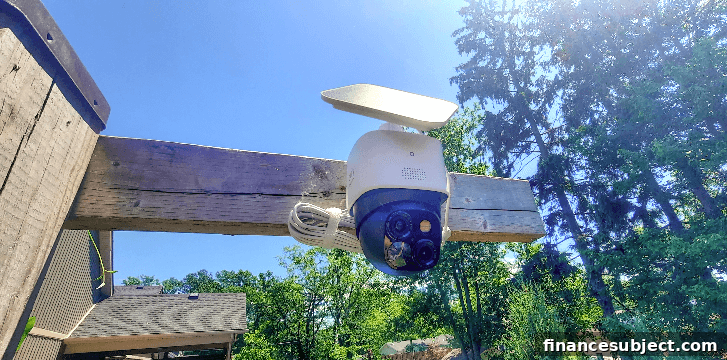
Smart home compatibility is a major benefit of Wi‑Fi systems: devices can be controlled through voice assistants and automated with other smart devices, such as linking cameras to lights so an alarm triggers flashing lights when motion is detected. Newer solar-powered options reduce battery maintenance for outdoor cameras, making wireless systems more convenient and practical.
Security system features and specs
When comparing systems, focus on the specifications that affect everyday use and long-term satisfaction. Key considerations include:
- Cost. Look beyond the sticker price to lifetime costs: initial hardware, optional installation, and ongoing monthly monitoring or cloud storage fees. A low up-front price can be outweighed by multi-year contracts that total significantly more.
- Video quality. Resolution ranges from 720p and 1080p up to 4K; higher resolution improves identification and evidence value.
- Night vision. Infrared or enhanced low-light performance matters for identifying faces and details at night.
- Smart home compatibility. If you use a voice assistant or home automation hub, check whether the system integrates smoothly.
- Product diversity. Consider a platform that offers cameras, doorbells, locks, sensors and alarms so you can expand a single ecosystem rather than mixing incompatible devices.
Can installing a security system get you a discount on home insurance?
Yes — some insurers offer discounts for centrally monitored alarm systems. While a monitored alarm isn’t the only reason to install security, it can deter break-ins and, with some providers, qualify you for a premium reduction of around 10% to 15% on your home insurance. Not all insurers offer the same discount, so if a premium reduction is important to you, check with your insurance provider before you install a particular system.
In our home, functionality won out
After researching options and weighing wired versus wireless, monthly fees versus ownership, and available features, we chose a no-monthly-fee ecosystem that offered strong functionality, including local storage and smart integrations. We were attracted to features such as fingerprint-enabled smart locks, high-resolution cameras, human-detection algorithms that reduce false alarms, and solar-powered outdoor cameras that eliminate frequent battery changes. For a dimly lit street, a programmable floodlight camera that lights the driveway when motion is detected proved especially useful.
Ultimately, the best system depends on your priorities: budget, desire for professional monitoring, willingness to manage a DIY solution, and how important smart-home integrations are to you. Whether you opt for a professionally monitored telecom plan, an independent alarm company, or a self-installed retail system, focus on the features and specifications that deliver reliable coverage and ease of use for your household.
Further reading on renovations and maintenance
- Heat pump, furnace or hybrid—which is the best option?
- How much does a swimming pool cost in Canada?
- How to save money on home renovations
- How much are solar panels in Canada?