
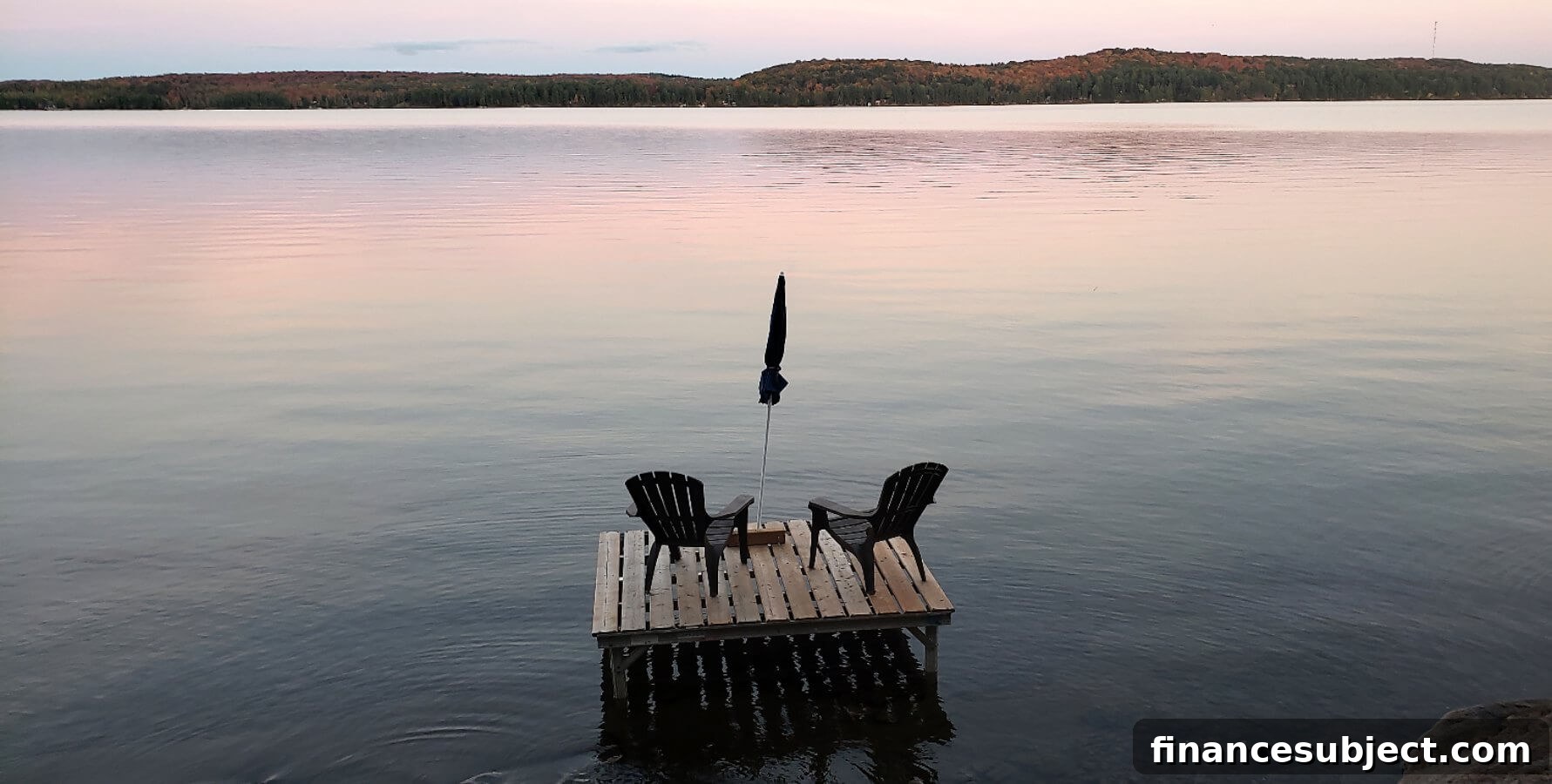
A lakefront cottage with cozy rooms, a sandy beach and a dock overlooking evening sunsets had long been Corrine Evanoff’s dream.
“For years I searched for a cottage that would fit our life,” she said.
Corrine and her husband, however, did not want the constant upkeep that comes with cottage ownership—spending vacation days repairing decks, clearing brush and maintaining docks. For years they rented cottages, hoping one day to buy, until they discovered fractional ownership.
Resource highlight
You’re 2 minutes away from getting the best mortgage rates.
Answer a few brief questions to receive a personalized mortgage quote for buying, renewing or refinancing.
Powered by ratehub.ca
Co-ownership is an option for cottage buyers
They found a cottage within reach and at a price far lower than they had expected, thanks to fractional ownership.
Also known as co-ownership, fractional ownership means purchasing a share of a property with others—family, friends or unrelated buyers—so each owner has a guaranteed block of time at the cottage without bearing the full purchase price or all maintenance responsibilities.
Affordability is the main appeal. Many Canadians remain priced out of recreational real estate, even as cottage prices have eased from the highs seen during the pandemic. Industry reports predict modest movements in recreational property prices, but for many an outright purchase remains out of reach.
On their first visit last fall to a lakeside cottage in Frontenac Shores, Cloyne, Ont., roughly 300 kilometres northeast of Toronto, Evanoff and her husband were immediately taken with the place.
“We sat in Muskoka chairs with our feet in the water and I felt my stress melt away,” she recalled. “This is the dream I’ve wanted for years—and it felt achievable.”
The couple bought one-tenth ownership in a roughly million-dollar cottage, paying under $100,000 for their share and securing five weeks of use per year.
Fractional ownership vs. timeshares—what’s the difference?
Fractional ownership is different from traditional timeshares, says realtor Mike Lange, who has worked with co-owned cottages in Kawartha Lakes, Ont., for several years.
“With a timeshare, you request locations and dates but have no firm guarantee your selection will be available,” he explained. “That uncertainty has caused a lot of frustration for buyers over time.”
Timeshares are often run by for-profit corporations, which can limit owners’ control over property management and operations. Fractional ownership typically offers a clearer, legally defined share of title or usage rights, giving co-owners more predictable access and governance.
Don Smith, who bought into a fractional cottage in Kawartha Lakes in the mid-2000s after seeing a newspaper advertisement, says the arrangement captured his interest immediately.
“As a math teacher I was intrigued—what does this fraction mean?” he said. “The idea made sense and fit our family lifestyle.”
Resource highlight
LoanFinder is moments away from showing your personalized loan matches
In under 60 seconds, get matched with a personalized list of loan providers based on your needs and approval likelihood. No SIN required.
Powered by ratehub.ca
The downside of co-ownership
For buyers like the Smiths, fractional ownership has been a lifestyle choice rather than a financial investment—and one that has delivered two decades of family memories.
“This is where my daughter learned to swim and kayak, and where she grew to love nature,” Smith said.
Despite its benefits, co-ownership isn’t suitable for everyone. Owners sacrifice some personal control and spontaneity: you can’t simply arrive unannounced or permanently store all of your own personal belongings at the cottage.
“You can’t fill it with all your favorite photos and leave all your stuff there like it’s your single-family home,” Smith noted.
Developer John Puffer, who builds and markets fractional cottages in Ontario’s recreational regions, says buyers often differ from what developers expect. Rather than mostly young families in their 30s, many buyers are in their 50s and 60s, purchasing shares for extended family or to avoid the full cost and maintenance demands of sole ownership.
“The cottage is a multi-generational gathering place in Ontario,” said Puffer, president of Chandler Point Corp. “Fractional models fit families who want the cottage experience without full responsibility.”
Tanya Walker, a litigation lawyer and managing partner at Walker Law, advises prospective buyers to consult an experienced contract lawyer and treat the purchase agreement with the same care as a prenuptial contract.
She recommends asking who the other co-owners are, how voting or governance is structured, what the resale process involves, and how scheduling of use is determined. Also verify who manages daily operations and review the property’s financial statements and maintenance reserves.
Understand what you’re buying with co-ownership
Puffer emphasizes the importance of reading the agreement closely and learning who controls the property, what obligations each owner has, and how disputes are resolved. Talking with current owners can also reveal how well the arrangement works in practice.
For the Evanoffs, the arrangement has already felt like a gift: they’ll visit the Frontenac Shores cottage a third time next month.
“Fractional ownership felt like a well-kept secret when we discovered it, but I think it will grow in popularity,” Corrine said. “Many people will find this model an accessible way to enjoy cottage life.”
Newsletter
Get free MoneySense financial tips, news & advice in your inbox.
Read more about cottages:
- Yes — a cottage is an investment property: ways to minimize capital gains tax
- Can I sell my cottage tax-free? Understanding capital gains rules
- Inheriting a cottage and the capital gains implications
- Selling a cottage to a family member: what you need to know about capital gains