

Ask MoneySense
Now seems like a good time to take advantage of a welcome offer on a new credit card. What happens to my credit score when I open and close credit cards?
—Charlie
How changing credit cards affects your credit history
Thanks for the question, Charlie. It’s wise to consider how applying for, opening or closing credit cards affects your credit score. Your score is a snapshot lenders use to judge your creditworthiness. Below I explain how opening and closing accounts influence your score and offer practical tips to reduce any negative effects. Beyond the score itself, it’s also important to consider how these choices affect your ability to manage debt and live within your means.
How are credit scores calculated?
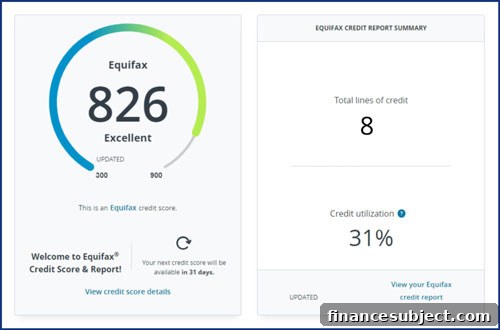
Credit bureaus use the information on your credit report and convert it into a numeric score using an algorithm similar to the FICO model. In Canada, credit scores generally range from about 300 to 900. You can check your score through the national credit bureaus or often for free through many Canadian banks’ online banking platforms.
What is a credit score?
Your credit score is built from several factors, each with different weight in the overall calculation:
| Factor | What it means | Weight | What you can do |
| Payment history | Shows whether you pay bills on time. Late or missed payments significantly lower your score. | 35% | Always make at least the minimum payment on time; ideally pay the full balance each month. |
| Credit utilization | The share of your available credit that you’re using. Low utilization signals responsible borrowing. | 30% | Keep balances below about 30% of total available credit. For example, on $10,000 of credit, try to use under $3,000. |
| Credit history | How long your accounts have been open. Older, well-managed accounts help your score. | 15% | Keep your oldest cards open if possible—even inactive ones—to preserve average account age. |
| Credit mix | The variety of credit types you have, such as credit cards, loans and mortgages. | 10% | A balanced mix can help, but only if you manage each account responsibly. |
| Hard inquiries | Recorded each time a lender checks your report for a new credit application. Multiple pulls in a short time can lower your score. | 10% | Apply only for credit you need and avoid applying for multiple products at once. |
How opening and closing credit cards can affect your credit score
Your credit score affects loan approvals, interest rates and even some rental or employment decisions. Understanding how actions like opening or closing accounts affect the weighted factors above helps you make better choices.
Payment history: Simply opening or closing cards does not change your payment record. However, having more credit available can tempt overspending, which could lead to missed payments and harm your score.
Credit utilization: Opening a new card increases your total available credit, which can lower your utilization ratio and help your score—assuming your balances don’t rise. Conversely, closing a card removes that available credit and can raise your utilization, potentially lowering your score.
Credit history: Lenders value long-standing accounts. Closing an older card shortens your average account age over time, which can reduce your score. If an older card has positive history, keeping it open is usually better than closing it.
Diversity of credit: A mix of account types can be beneficial, but only when you’ve managed them responsibly. Adding a new card won’t improve this portion of your score unless you demonstrate consistent, on-time payments across account types.
Hard inquiries: Each application typically triggers a hard credit pull. One inquiry causes only a small, temporary dip in your score. Multiple inquiries in a brief period, however, can signal risk to lenders and cause a larger decrease.
Featured credit cards
Tangerine Rewards World Elite Mastercard
GO TO SITE
SimplyCash Preferred Card from American Express
GO TO SITE
MBNA True Line Mastercard
GO TO SITE
What happens when you apply for a new credit card
Applying for a new card triggers a hard inquiry on your credit report. A single inquiry typically reduces your score only a few points and the effect fades over months if you keep making on-time payments.
Multiple inquiries in a short period, however, look risky to lenders and can cause a larger decline. If you need to compare similar loan offers (for example, a mortgage rate), those inquiries are often treated as a single event when they occur within a short window. For credit cards, though, multiple applications across different issuers can be harmful.
Opening a new card can also improve your credit utilization because it raises your total available credit. For example: if you have one card with a $10,000 limit and a $7,000 balance, your utilization is 70%. Adding a second card with a $10,000 limit (and keeping the $7,000 balance) raises total credit to $20,000 and brings utilization down to 35%—which is better for your score.
That said, opening several cards to reduce utilization won’t help if you don’t also improve payment behaviour. Lenders want to see both low utilization and consistent on-time payments.
What happens when you cancel a credit card
Closing a credit card can increase your utilization ratio because you lose that card’s available credit. If the remaining cards carry balances, the percentage of credit used rises and your score can drop. Always pay down balances before closing accounts to limit this effect.
Closing an account also stops that account from contributing positive payment history to your credit file. Over time, the benefit of a long, well-managed account disappears from your credit profile. Importantly, closing an account does not remove past negative information; late payments and other derogatory marks will remain until they age off the report.
In most cases, closing a card will not improve your credit score. Only consider cancelling if you have a clear reason—such as high fees or an inability to control spending.
Buyer beware: Welcome offers
Welcome bonuses—cash back, points or temporary low rates—can provide good short-term value if they align with spending you were already planning. But be cautious. Applying for a card for a single bonus brings a hard inquiry, and a bonus isn’t worth adding new debt or missing payments.
Read terms carefully. Welcome offers are one-time incentives. If you carry balances or struggle with debt, focus on paying down what you owe before chasing sign-up rewards. If you do apply for a bonus, make sure you can meet the minimum spend without increasing or carrying a balance you can’t repay.
Opening multiple accounts to chase offers can leave you with more credit than you need and more accounts to manage, increasing the risk of missed payments. Consider how new and closed accounts affect both your credit score and your broader financial goals.
Should you swap credit cards?
Only apply for a new card if you can reliably pay the balance in full each month. The short-term benefits of a welcome offer don’t outweigh ongoing missed payments or higher debt. If you plan responsibly, opening a new card can help lower utilization and provide useful perks; if not, it can harm your credit score and financial plan.
Charlie, understanding the mechanics behind your credit score—payment history, utilization, account age, credit mix and hard inquiries—helps you make smarter choices when opening or closing accounts. If you need extra guidance, a certified credit counsellor can review your situation and help you build or repair credit in a way that supports your long-term goals.
This article was created by a MoneySense content partner.
This piece was written by a content partner to provide helpful, relevant information and edited by MoneySense.
Read more about building credit in Canada:
- Applying for a credit card: What you need to know
- What does opening or cancelling a credit card do to my credit score?
- What happens if I don’t pay my credit card bills?
- What happens if you don’t use your credit card?