
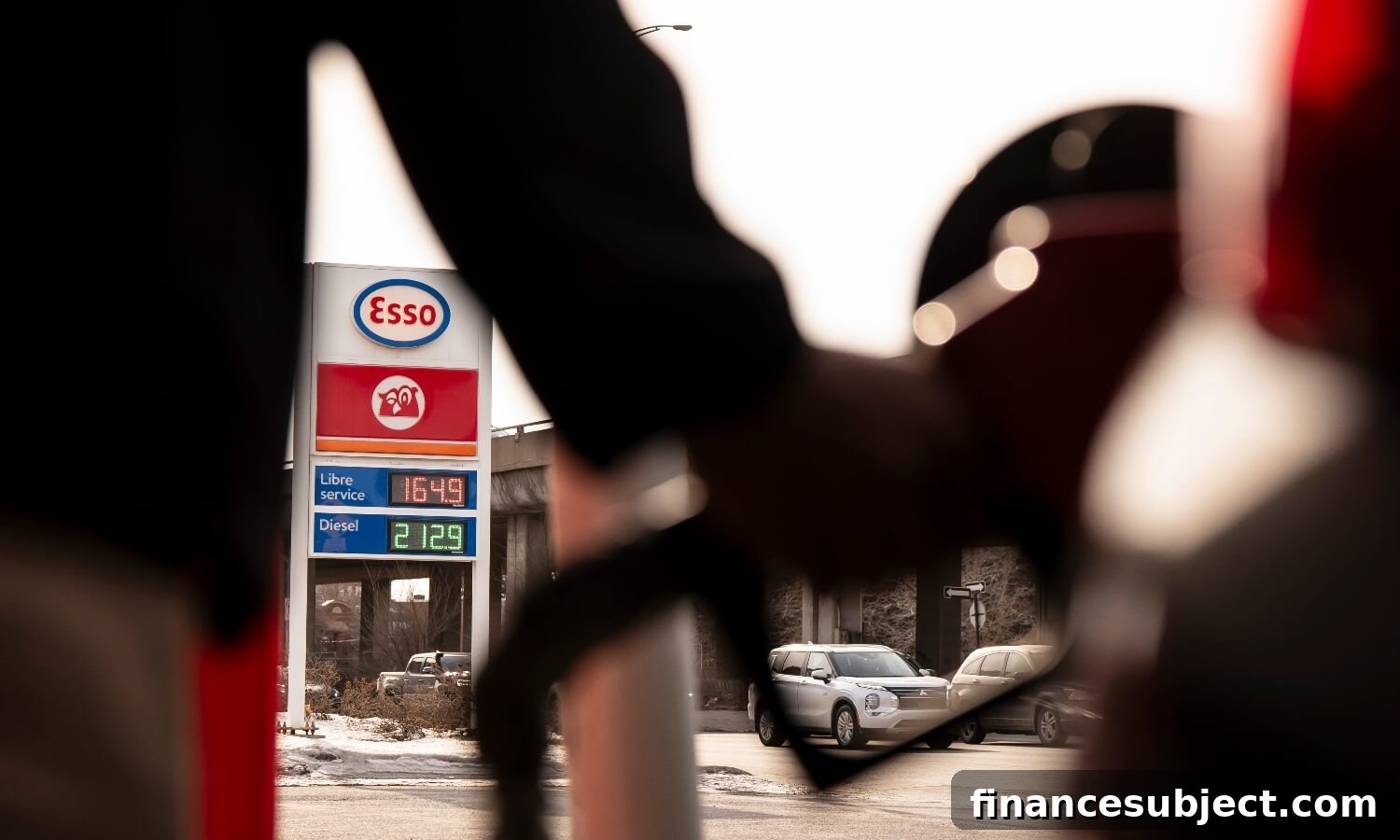
It’s easy to feel powerless as the price at the pump keeps climbing. Since the United States and Israel launched their war with Iran nearly three weeks ago, the conflict has spread across parts of the region, disrupted a key oil tanker route and pushed crude oil prices sharply higher. Those moves in global markets have translated into higher prices for motorists at home.
Global crude surged close to US$120 per barrel earlier this month before easing back below US$100 — still roughly 45% higher than before the conflict. At the same time, the Canadian average for a litre of gasoline sits substantially above recent months; price-tracking services report notable month-over-month increases, and many drivers are looking for practical ways to reduce what they spend on fuel.
While geopolitical events are largely outside individual control, there are several effective, everyday strategies drivers can use to blunt the impact of rising gas prices. The following tips cover driving habits, vehicle maintenance, shopping tactics and loyalty programs that can save fuel and money.
Lighten up that lead foot
How you drive has a major effect on fuel consumption. According to experts at the Canadian Automobile Association, most fuel is used during acceleration. Aggressive starts — the “jackrabbit” launches — consume far more fuel than gradual acceleration. A simple rule of thumb is to accelerate gently: take several seconds to reach low speeds from a full stop and avoid repeated sharp throttle inputs.
Similarly, braking smoothly and coasting through traffic reduces frequent stop-and-go patterns that burn excess fuel. Smooth driving is also safer for you and other road users — a win-win. On highways, higher speeds increase aerodynamic drag and fuel use, so maintaining a moderate, steady speed yields better fuel economy. When conditions are suitable, using cruise control can help sustain that steady speed and avoid unnecessary fluctuations.
Small choices matter: on warm days, open windows are fine in city traffic, but at highway speeds closed windows reduce drag and can improve efficiency. Idling wastes fuel too — experts estimate that extended idling can consume a surprising amount of fuel. If you expect to be stopped for a minute or more, it’s generally better to turn off the engine unless safety or comfort (for very hot or cold weather) requires otherwise.
Routine vehicle maintenance also affects fuel economy. Under-inflated tires can raise fuel consumption by several percentage points, and a poorly maintained engine or drivetrain can increase fuel use substantially. Removing unnecessary roof racks or cargo carriers when they’re not in use reduces wind resistance. In short, proper upkeep and small adjustments to how you drive can meaningfully lower fuel costs over time.
Shop smart
Prices vary from station to station based on wholesale purchase timing, supplier contracts and local competition. Price-tracking apps and websites that crowdsource pump prices can help you comparison shop and find the best options in your area. While some people try to “time” a particular day or hour to fill up, markets change in real time and there’s no foolproof schedule for consistently catching the lowest pump price.
Another widespread myth is that filling up in cold weather yields more fuel for the money because liquid is denser when cold. In practice, reputable stations adjust for temperature so each litre dispensed meets the standard measurement; you shouldn’t rely on weather timing as a money-saving tactic.
Milk those loyalty rewards
Most major fuel retailers and many grocery or bank networks offer loyalty programs that help offset fuel costs through points, discounts or partner offers. When choosing a loyalty program, focus on convenience: pick the program connected to the stations where you already fill up most often rather than making long detours to chase points.
Many loyalty programs can be linked with credit cards or other reward accounts, letting you “stack” savings. For example, points earned at certain gas brands can often be redeemed with partner retailers or combined with bank reward programs. Recent changes in the Canadian market have added new partnerships between fuel brands and national loyalty programs, expanding options for earning and redeeming points.
Stacking offers—where you earn points from the station, plus rewards from a credit card and maybe additional promotions—can multiply savings. That said, keep an eye on annual fees and interest rates: a rewards credit card only pays off if you use it carefully and pay balances in full whenever possible.
Heavy fuel users may benefit most from elite status or premium tiers offered by retailer programs. If you travel frequently or drive long distances, compare the rewards, redemption rates and convenience of each program before committing. For occasional drivers, small perks or pay-at-the-pump discounts can still add up over time without changing your routine.
Final tips and checklist
- Drive smoothly: avoid rapid acceleration and hard braking.
- Use cruise control on open highways to maintain steady speeds.
- Turn off the engine if stopped for a minute or more, when safe to do so.
- Keep tires properly inflated and follow scheduled maintenance.
- Remove unused roof racks or carriers to reduce drag.
- Use price-tracking tools to compare local station prices.
- Enroll in loyalty programs that match your regular fueling habits and stack rewards carefully.
Rising pump prices can feel unavoidable when global events disrupt supply and trading, but practical, everyday choices make a difference. By combining efficient driving, simple vehicle maintenance and strategic use of loyalty rewards, motorists can reduce fuel consumption and lower the impact of higher gas prices on their household budgets.
Read more news:
- Stock news for investors: Goeasy shares plunge nearly 60% after lender suspends dividend
- Jet fuel surge pushes airline fares higher
- Stock news for investors: Canadian Natural boosts quarterly dividend after massive Q4 profit
- Overcharged at checkout? What to know about Canada’s Scanner Price Accuracy Code