
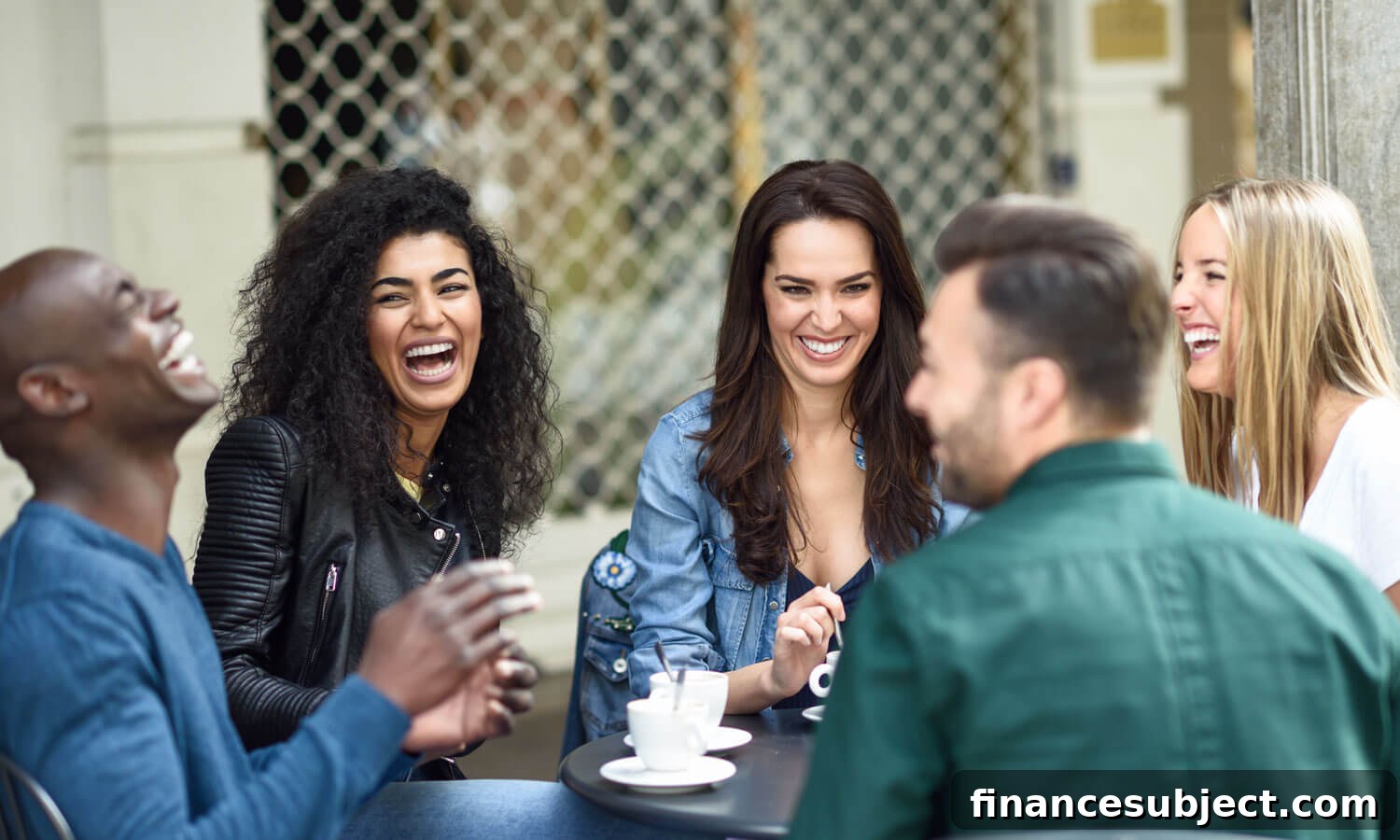
We all have countless ways to spend our hard-earned money, and many Canadians divide purchases into two broad categories: material possessions and experiences. But how do you tell when an expense is truly an experience worth having? Is every purchase an experience? Research by Dr. Thomas Gilovich of Cornell University and colleagues, along with insights from Elizabeth Dunn and Michael Norton, helps clarify why experiences often affect our well-being differently than things we own. The following summary explains those findings and offers practical guidance for smarter spending.
Material possessions versus experiences
We live in a consumer-driven culture: ads, influencers and payment options such as credit cards or buy-now-pay-later programs constantly encourage us to buy more. With so many choices, it’s easy to overspend and hard to know what will genuinely improve our happiness.
Defining an experience versus a material purchase isn’t always straightforward. In Happy Money: The Science of Happier Spending, Dunn and Norton describe experiences as events or activities that are often intangible, involve active participation, promote social connection and create lasting memories. Material purchases are tangible goods—things you own. Some expenditures sit on the border: a quick takeout coffee can be a routine purchase, while a leisurely coffee with friends can be an experience.
The research suggests experiences tend to boost long-term happiness more than material goods. Experiences encourage social bonding, personal growth and novelty, while possessions often lose their appeal over time and invite comparison that undermines satisfaction.
Where did the idea of spending on experiences come from?
Scientific work, notably by Gilovich and colleagues, offers practical theories about why experiences often outlast material goods in their effect on happiness:
- The Hedonic Treadmill: New possessions can spark short-term joy, but we adapt quickly, and the boost fades as the item becomes normal. Experiences, however, produce memories you can revisit—through photos and stories—so their value persists longer.
- Anticipation and Adaptation: Experiences generate anticipation—the planning and looking forward to an event—which contributes to well-being before the event even happens. We also adapt less to positive memories from experiences than we do to material items, so experiences can provide longer-lasting satisfaction.
Why experiences are so powerful
Gilovich, Amit Kumar and Lily Jampol examined how experiential consumption relates to happiness and offer several reasons experiences can be better investments in well-being:
- Beyond momentary pleasure: Experiences contribute to personal growth, self-expression and meaningful emotions. They help shape identity over time—who we become is largely the sum of what we’ve done and learned.
- Present-moment engagement: Experiences often draw us into the present, increasing mindfulness, gratitude and satisfaction compared with routine material consumption.
- Identity and authenticity: Choosing experiences aligned with your values and interests reinforces authenticity. That alignment often yields deeper fulfillment than owning items that don’t reflect who you are.
- Social connection: Experiences often involve other people, and shared activities build stronger relationships—one of the clearest predictors of long-term happiness.
That said, experiences are not immune to diminishing returns. You can become habituated to certain activities, and some experiences may be unaffordable or poorly matched to your values. The key is to select experiences thoughtfully.
Harnessing experiences for smarter financial decisions
Applying these insights can help you spend in ways that enhance both happiness and financial health. Use this checklist when weighing a purchase:
- Prioritise meaningful experiences: Evaluate whether an expense will create lasting memories, foster personal growth or deepen relationships. Consider long-term goals—such as saving for retirement—before committing to recurring or expensive experiences.
- Seek authenticity: Spend on experiences that reflect your values and interests. A pricier option isn’t automatically better—choose what resonates with you.
- Embrace mindfulness: Be present when you enjoy an experience and deliberate when deciding to spend money. Conscious choices often deliver more satisfaction.
- Cultivate relationships: Ask whether the experience will create meaningful memories with people who matter to you. Shared experiences tend to yield higher emotional returns.
Ask yourself: Is this a need or a want? Will it improve my well-being over time? Might something else produce greater joy? For example, instead of buying designer shoes, you might spend on a weekend away with friends or a workshop that teaches a skill you’ll use for years.
Research does not say you must spend exclusively on experiences. Practical material purchases—like a reliable vehicle, essential clothing or tools for work—remain necessary. The point is balance: prioritize purchases that support your values, financial goals and long-term happiness.
When material things matter more than experiences
Material items can still matter deeply. A family heirloom, a home that builds equity, or essential purchases that protect your financial stability can be more important than short-term experiences. The best choice depends on your priorities and circumstance. With every purchase, consider how it affects your ability to live a satisfying life.
In short, a large body of research points to the long-term value of investing in experiences that foster connection, growth and authenticity. By combining these insights with sound financial planning—buying what you need, avoiding impulse spending and choosing experiences that align with your values—you can make spending decisions that enhance both happiness and financial security.
Read more A Rich Life columns:
- What is the PERMA model? Can it help Canadians to spend better?
- Does money buy happiness?
- How to live a rich life
- What are money scripts? What’s yours?