
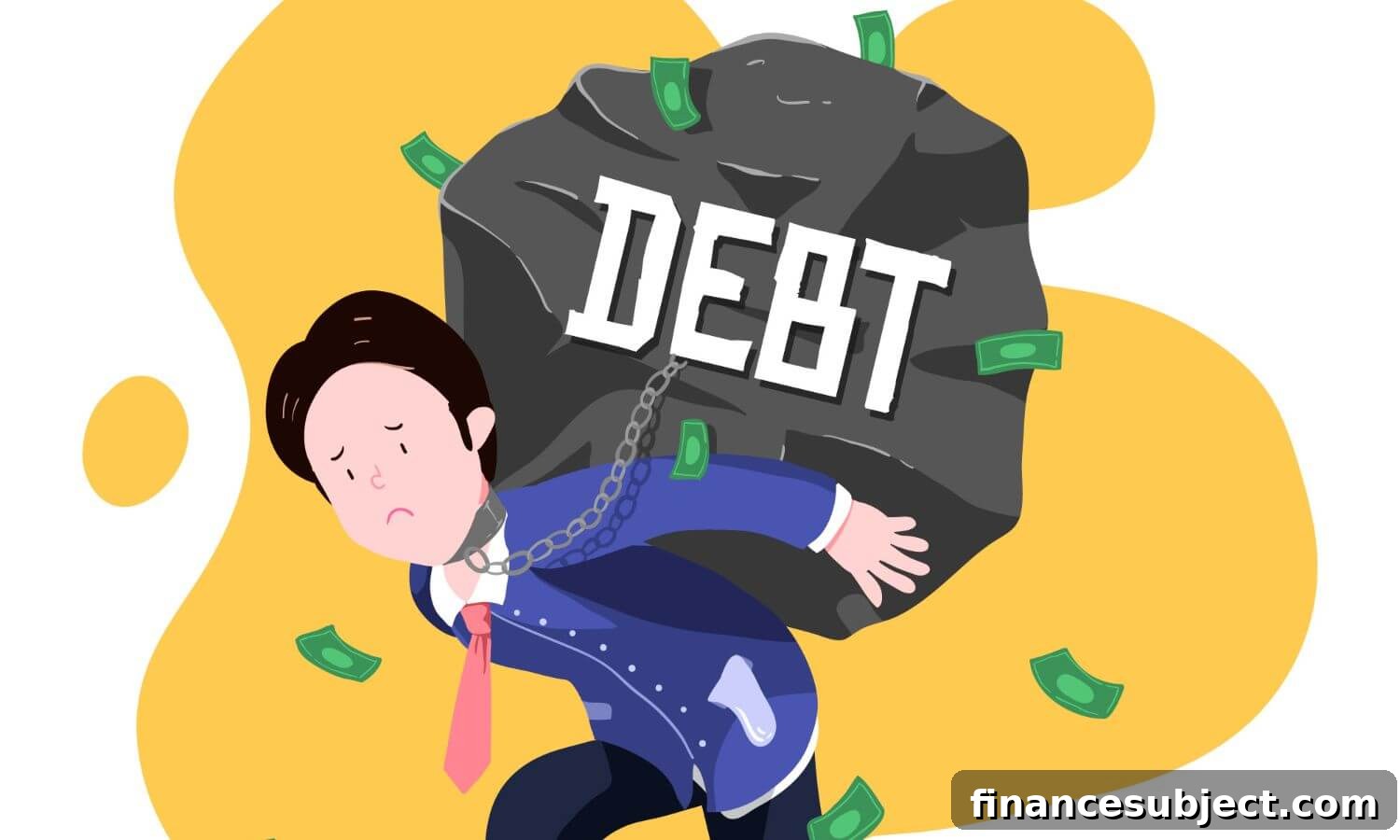
Canadians have faced a challenging year for personal finances, and that strain is showing up in rising calls to credit counselling agencies. A recent study from Credit Canada reports a 39.6% increase in counselling requests nationwide over the past year. This article explains why many Canadians are struggling with debt and shares practical, realistic steps—based on guidance from Bruce Sellery, CEO of Credit Canada—to help regain financial control.
Calls to credit counselling agencies are up 40%
Across Canada, more people are reaching out for help managing debt. The provincial breakdown highlights where pressure is most acute:
- Ontario: 59.1%
- British Columbia: 58.1%
- Manitoba: 33.9%
- New Brunswick: 25.2%
- Alberta: 18.8%
Residents in major urban centres—especially Toronto and Vancouver—are often hit hardest because housing and everyday living expenses in Ontario and B.C. tend to exceed costs in some other provinces. Reflecting that pressure, Credit Canada reported a record number of calls in September 2025, the most it has received in a single month in its 60-year history.
Rising costs squeeze Canadians’ finances
Several economic forces are making it harder for Canadians to feel financially secure. The consumer price index (CPI) indicates that the cost of living has risen year over year, with food and shelter costs climbing. Insurance premiums for homes and vehicles have increased, and common recurring bills such as mobile phone plans are also higher. These rising expenses reduce disposable income, and as a result delinquency on credit cards and personal loans is increasing, particularly among people under 35.
“We live in really tough times with inflation, housing affordability, and mortgage rates,” says Bruce Sellery. Many people understand the basics—budgeting, saving, avoiding unnecessary debt—but when living costs outpace income, it becomes difficult to apply those rules consistently. That gap between expenses and income is a major reason why counselling calls have surged.
Related reading: Here’s what a comfortable income looks like in Canada
Take control of your finances, one step at a time
Feeling overwhelmed is natural, but there are practical steps you can take. As Sellery emphasizes, people often have more agency than they realize. Start by asking yourself a clear question: “Why are my finances the way they are?” Understanding the root causes—whether it’s a shift in living costs, lifestyle choices, unexpected bills, or high-interest debt—helps you create a focused plan rather than simply reacting.
Use these sensible, actionable steps to regain control:
- Review and track your spending: For at least one month, record every expense. Identify non-essential spending you can reduce or eliminate.
- Clarify your priorities and values: Decide what matters most—housing stability, paying down debt, building an emergency fund—and align spending with those priorities.
- Create a realistic budget: Build a plan that covers fixed costs, debt payments, and a modest amount for savings. Adjust categories to make the plan sustainable.
- Communicate with creditors: If you’re struggling, contact lenders or service providers to discuss hardship options, payment plans, or negotiated terms before defaults occur.
- Consider consolidation carefully: Consolidating high-interest debts can lower monthly payments, but be cautious of extending terms or taking on new unsecured credit.
- Look for additional income or cost-saving strategies: A temporary side job, renting out a room, or reducing vehicle costs can free up cash to chip away at debt.
- Seek professional guidance: A credit counselling agency can help you build a structured repayment plan and provide tools to change long-term habits.
For those who want a structured first step, Credit Canada offers a Purpose of Money Quiz that helps identify what you want your money to achieve and recommends simple starting actions. Small, consistent changes—when guided by a realistic plan—can create real momentum over time.
Newsletter
Get free MoneySense financial tips, news & advice in your inbox.
Read more about debt
- What is the best way to pay down debt?
- The MoneySense guide to debt management: how to get out of debt
- How to consolidate debt in Canada
High living costs and rising everyday expenses have pushed many Canadians into tighter financial circumstances, but help is available and change is possible. By understanding your spending, prioritizing goals, engaging with creditors, and seeking guidance when needed, you can build a plan to reduce debt and improve financial stability over time.