
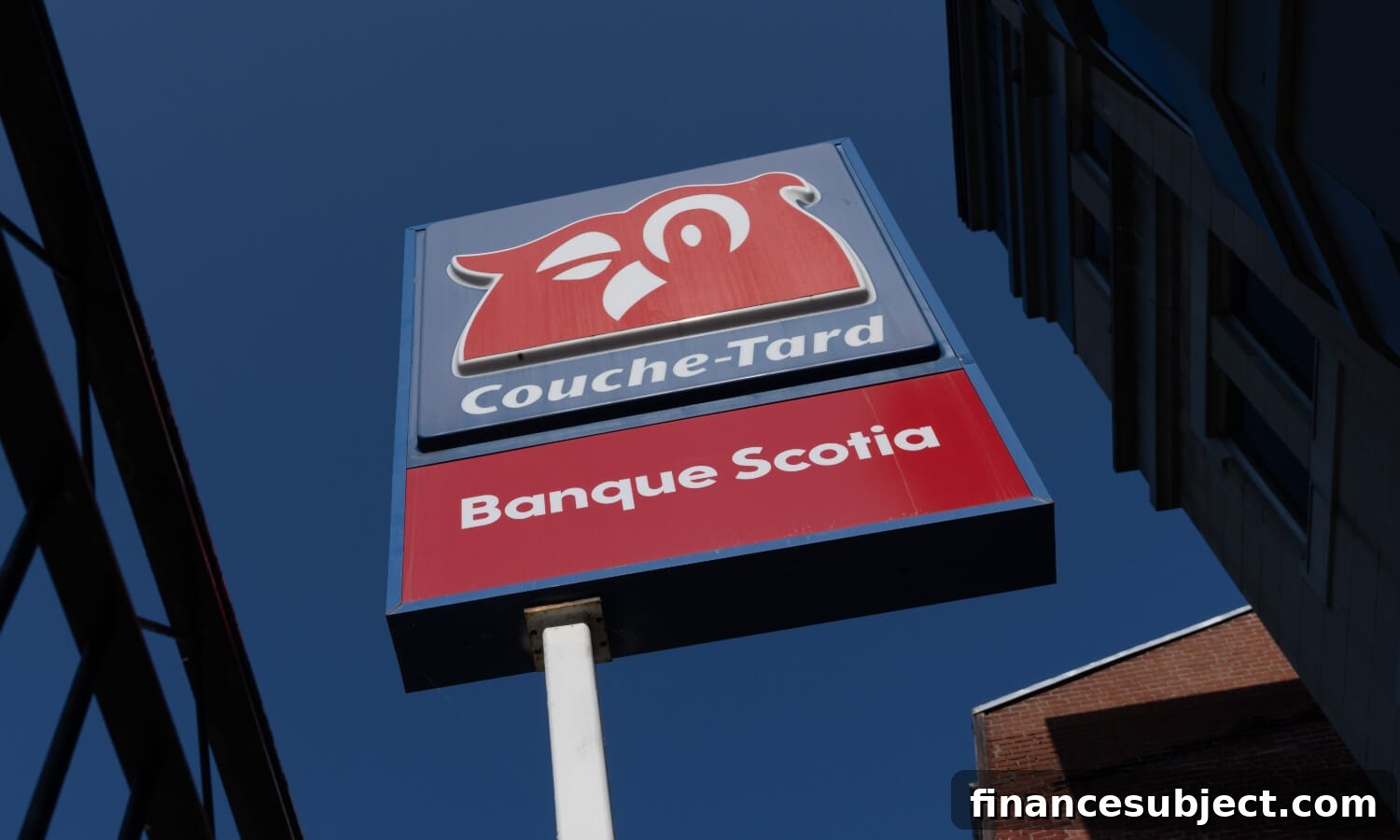
Alimentation Couche-Tard Inc.’s chief executive says the company remains committed to pursuing the acquisition of the Japanese operator of the 7-Eleven chain despite recent resistance from Seven & i Holdings.
Quebec-based Couche-Tard, which runs Circle K convenience stores, continues to see “a unique strategic fit” in a potential merger with Seven & i, CEO Alex Miller told analysts on Wednesday.
Miller’s remarks followed public disclosure by Seven & i of a September letter it sent to Couche-Tard’s leadership explaining why it rejected the Canadian company’s offer. The correspondence, authored by Stephen Dacus when he was chair and now serving as CEO, stated that Couche-Tard’s proposal was “not in the best interest of Seven & i shareholders and other stakeholders.” Seven & i also said it plans to focus on enhancing its own corporate value and flagged antitrust concerns related to the U.S. market.
In that letter, Dacus wrote the company was open to discussions only if a proposal “fully recognizes our stand-alone intrinsic value.”
Also read
Canada’s best dividend stocks
Couche-Tard undeterred in pursuit to buy Seven & i
On a conference call reviewing Couche-Tard’s third-quarter results, Miller made clear the company is pressing forward with its bid. “We have reiterated several times over the past few months that we intend to be friendly and persistent in pursuing a transaction which we believe is in the best interest of all stakeholders,” he said.
Miller acknowledged the process has generated “significant frustration and distraction” for both sides, but said Couche-Tard remains willing to engage in thorough, constructive talks to reach definitive terms and advance the transaction.
In October, Seven & i disclosed it had received a revised non-binding proposal from Couche-Tard, which media reports valued at roughly US$47 billion—about 22% higher than an earlier August offer. Since then, a special committee of Seven & i confirmed that both companies are exploring potential buyers for certain convenience store assets that could be divested to satisfy U.S. antitrust regulators.
Miller said the two parties are jointly assessing “what a divestment would look like in the United States,” and that prospective buyers have signed non-disclosure agreements as part of that evaluation. He added that Couche-Tard’s leadership team was in Japan last week as discussions continued.
“Together we can achieve significantly more than we can separately, including accelerating the global growth of the iconic 7-Eleven brand,” Miller said, framing the deal as a strategic move to expand the combined companies’ global footprint.
RBC analyst Irene Nattel expects Couche-Tard to continue courting Seven & i up to the Japanese company’s annual general meeting on May 27, with the possibility that Couche-Tard reassesses its position depending on the outcome of that meeting. “Aside from the Seven & i situation, Couche-Tard remains active on other opportunities,” Nattel noted, citing steady deal flow in the U.S. and larger prospects in Europe.
Couche-Tard’s Q3 earnings
Couche-Tard reported net earnings of $645 million for its third quarter, up from $624.4 million a year earlier. For the quarter ending Feb. 2, revenue rose to $20.9 billion from $19.6 billion, an increase of 6.5 percent. The company attributed the revenue gain primarily to contributions from acquisitions and stronger wholesale fuel business results.
Earnings per diluted share were 68 cents, up from 65 cents a year earlier, matching analysts’ expectations according to LSEG Data & Analytics. Desjardins analyst Chris Li highlighted better-than-expected U.S. fuel margins and improved merchandise and fuel profitability in Europe.
Li observed that Couche-Tard’s depressed valuation appears to reflect a combination of soft consumer spending and uncertainty surrounding the Seven & i deal.
Impact of the Canada-U.S. trade war
Miller said consumers remain cautious with spending, but the company is seeing promising signs of resilience across its markets. Results arrive against the backdrop of ongoing trade tensions between Canada and the United States. While the tariff outlook is uncertain, Miller argued the direct operational impact on Couche-Tard should be limited because most store merchandise is sourced locally within each country.
“The bigger concern is the knock-on effect for inflation and household budgets,” he said. “That’s what we will be watching closely: how higher costs affect consumers who are already stretched in terms of disposable income.”
—With files from The Associated Press
Newsletter
Get free MoneySense financial tips, news & advice in your inbox.
Read more company news:
- Transat, Empire and Algoma report earnings
- Shopify’s new exchange, Google’s acquisition, Nvidia’s launches and OTPP’s performance
- Elon Musk and Tesla: Could Musk’s politics sink the company’s stock?
- Nvidia’s fourth-quarter earnings analysis: revenue up, production up