

Ask MoneySense
My 2020 Bolt EV was included in the August 2021 battery recall announced by General Motors. At the time I followed GM’s recommendations: I limited charging to 80%, avoided deep discharges and parked outdoors. I accepted reduced range and the uncertainty of a possible battery fault because the battery maker, LG Chemical, was taking responsibility and GM said affected modules would be replaced. Owners who received replacement modules were to receive a reset on the battery warranty to eight years or 160,000 km.
Now I’ve been told something different. GM said a software update released in June 2023 will let the vehicle monitor its battery for another 10,000 km. If the software detects no problem with the battery module, full charging will be restored and the original battery will remain in the car — meaning no replacement module and no warranty reset. Some Bolts from 2020 and later did receive replacements, so the inconsistency is confusing.
After nearly two years of driving with limited range and the ongoing worry about a possible fire risk, I’m frustrated that I may end up waiting many more months to regain the range I originally paid for. I like the car — it’s well built and fun to drive — but the back-and-forth from GM is disappointing, and I’m unsure whether I should trust this new software-based approach.
— T.B.
When and why did GM recall Chevrolet Bolt batteries?
GM issued two battery-related recalls for the Chevrolet Bolt. The first recall covered model years 2017–2019 and involved replacing defective battery modules. A second recall covered 2020–2022 model-year Bolts, but that later recall was revised in favour of a less invasive, software-based solution for many vehicles.
The original remedy: GM planned to notify owners and replace defective battery modules.
The revised remedy: GM will notify owners and install advanced diagnostic software at dealers. The software monitors the high-voltage battery and will warn the driver if it detects a problem. If a warning appears, owners should contact a dealer to arrange replacement of the affected battery module.
Consult your manufacturer communications or your dealer for specific recall details and how they apply to your vehicle.
The updated vehicle software monitors the battery over the next 10,000 kilometres. If the software determines the battery module is healthy, the vehicle’s full charging capability will be restored automatically, and the car will be considered cleared under the recall. If the software detects a defect, GM will replace the affected module. The idea behind the software-first approach is to avoid replacing healthy battery packs unnecessarily and to reduce the demand for scarce raw materials used in EV batteries.
Can the software really tell if the battery is safe?
The software-based approach can be effective. Automakers have become particularly cautious about EV fires and have invested in better detection and diagnostics to manage safety risks proactively. Since the ignition recall crisis of the 2010s, GM improved its internal processes for reporting and correcting safety defects. In this case, the battery manufacturer has reportedly shouldered much of the financial cost of addressing the defect, so the software remedy is not simply a cost-saving move by GM alone.
When did GM remove the warranty extension?
In June 2023 GM clarified that owners who receive only the software-based fix will not get the extended warranty that accompanied replacement battery modules. The warranty reset to eight years/160,000 km applied to vehicles that received a new battery module; it does not apply if the original module remains and is cleared by software diagnostics.
Battery degradation is normal — roughly 3–4% range loss per year is common — so even batteries that are performing normally after diagnostics may show some wear compared with a replaced module.
Why replacing a battery yourself is impractical
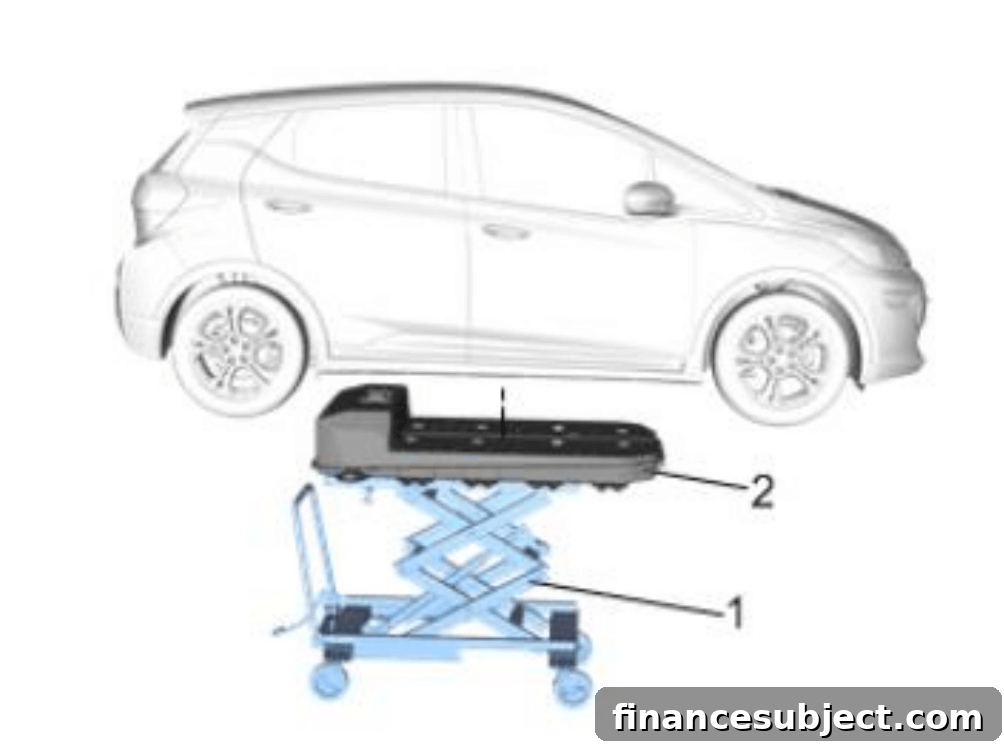
One owner asked about privately replacing a battery and seeking reimbursement. Replacement battery modules can cost in the tens of thousands of dollars plus installation, making private replacement unrealistic for most owners. A more practical option would be purchasing separate extended mechanical coverage that specifically includes battery modules and seeking reimbursement from the automaker, though such coverage for individual battery modules is not commonly available.
What can owners do about the revised recall?
There are limited options for owners affected by the revised recall. Consumer advocates have urged GM to take two reasonable steps:
- Extend warranty coverage to eight years from the date of the recall repair regardless of whether the vehicle receives the software update or a replaced battery module, so all owners receive equivalent protection.
- Provide meaningful compensation for inconvenience and diminished driving range, which could last a year or more for low-mileage drivers. Compensation could include a free in-vehicle service subscription or another tangible benefit to acknowledge the disruption.
Those requests reflect the view that owners who accept the software monitoring solution should not be left worse off than owners who received a replacement module.
A better precedent from another automaker
Hyundai Canada handled a similar battery replacement situation for the Kona EV by offering daily compensation for owners who had to park outdoors while awaiting replacement batteries. The daily payment helped alleviate complaints and reduced owners’ urgency to be first in line for replacement modules. A modest payment proved sufficient to address many owners’ concerns about inconvenience.
George Iny is Executive Director of the Automobile Protection Association (APA), a consumer advocacy association with offices in Toronto and Montreal.
Related auto topics
- How much does it cost to insure an electric car?
- Are electric vehicles the new economy cars?
- Repairing corrosion on a Tesla Model S after the battery warranty has expired
- Best used cars in Canada