
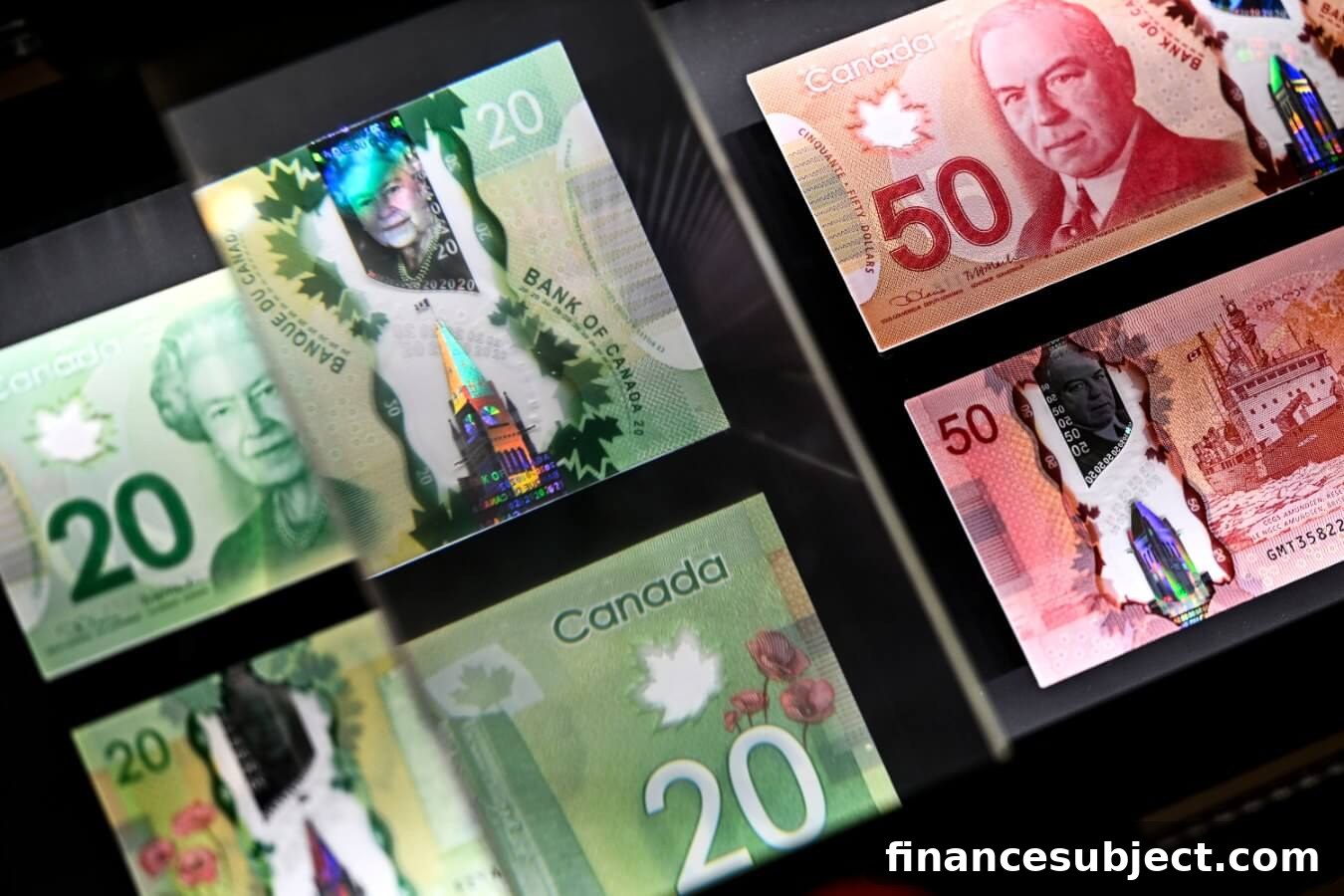
A new survey by the Bank of Canada shows that Canadians continue to carry and use cash even as digital payment methods become more widespread.
Published in 2024, the central bank’s survey finds that Canadians held an average of $156 in cash on hand—about $16 more than in 2023. Adjusted for inflation, the Bank of Canada reports that the purchasing power of cash kept on hand has remained fairly stable since 2017, with only modest fluctuations during and after the COVID-19 pandemic.
Older Canadians most likely to carry cash
The survey also found increased activity at ATMs and bank branches, with people withdrawing larger amounts per visit. When results are broken down by age, 86.8% of respondents aged 55 and older reported carrying cash on their person—more than 10 percentage points higher than other age groups. Paradoxically, the youngest adults surveyed, those aged 18 to 34, held the largest average amounts in their wallets, at $206.
The Bank of Canada additionally noted that lower-income respondents tended to hold smaller amounts of cash overall, yet they were more likely than higher-income groups to use cash for purchases. These patterns illustrate the different roles cash plays across demographics: a convenience and fallback for some, a primary payment method for others.
Canada bucks the global trend of declining cash use
The study, conducted with Ipsos and involving more than 4,000 participants between mid-October and mid-November of last year, collected both survey responses and short purchase diaries from a subset of respondents. Those diary entries suggest that roughly one in five purchases in Canada was made with cash.
Although cash use had been declining in the years leading up to the pandemic, the Bank of Canada finds that cash use in Canada has been more resilient in recent years than in some peer countries. For example, researchers pointed to international comparisons where other nations—such as the United States—continue to see annual declines in cash transactions. In Canada, by contrast, cash remains a meaningful component of the payments landscape.
Younger consumers may drive a shift toward digital payments
Regarding the future of cash use, the Bank of Canada reports that a clear majority of Canadians were not planning to go completely cashless in 2024: 79% said they had no intention of giving up cash, 8% said they intended to become cashless eventually, and 13% said they were already cash-free. These proportions were largely unchanged from the bank’s 2022 and 2023 findings.
In terms of payment volumes, credit cards remain the dominant method, accounting for about 46% of purchases, with debit cards representing roughly 23%. Mobile payments—payments made through smartphone apps, including those linked to card accounts—are gaining ground, representing nearly 5% of purchases in 2024, up a couple of percentage points from the prior year.
The Bank of Canada suggests that, if current trends continue, younger Canadians’ increasing comfort with digital wallets and mobile payments could shift long-term demand away from physical cash. This generational change in payment preferences may influence how often people carry cash and how policies and payment infrastructures evolve.
The central bank emphasizes that understanding Canadians’ cash behaviours and preferences helps inform its role in overseeing and managing payment systems across the country. Monitoring these patterns is important for ensuring accessibility, resiliency and inclusion in Canada’s payment ecosystem.
Newsletter
Get MoneySense financial tips, news & advice in your inbox.
Read more news:
- Upcoming changes to Aeroplan points, Elite Status, and credit cards
- Gildan’s proposed US$2.2B acquisition of HanesBrands
- What to know about credit card travel insurance ahead of a potential Air Canada strike
- Stock news for investors: gold prices, box office trends, and grocery sales in Q2 for major TSX firms