

Since the U.S. government began threatening tariffs on goods from Canada—America’s largest trading partner—Canadians have responded with a mix of indignation, ingenuity and practical action. Federal and provincial officials have announced countermeasures and some retailers have delisted U.S. items. Consumers, meanwhile, are increasingly choosing local alternatives, sharing tips and using tools that make buying Canadian easier. Below are practical ways Canadians are pushing back while supporting domestic businesses and reducing reliance on U.S.-sourced products.
Here are some of the most common and effective responses.
1. Saying goodbye to American products
Surveys indicate many Canadians plan to reduce purchases of U.S. goods, and some provinces have pulled American alcohol from government-run liquor stores. Major grocery chains are reportedly ordering fewer U.S.-sourced products and increasing their Canadian and international selections. These shifts reflect both a consumer preference to support domestic industry and a reaction to higher costs introduced by potential tariffs.
2. Sharing shopping tips in family group chats
Family and friend group chats have become a grassroots tool for tracking Canadian items on grocery shelves. When someone finds Canadian-grown produce, locally made pantry items or other desirable products, they drop a location pin and a quick note in the group. Others can respond immediately and reserve items or ask someone to pick them up—creating a low-tech, community-driven alternative to delivery apps that helps ensure Canadian products get sold and shared.
3. Joining Canada-focused online groups
Online communities—especially on social platforms—have grown rapidly as people swap tips on where to find Canadian-made alternatives and recommend local brands that mimic popular U.S. products. These groups help consumers discover regional suppliers, small-batch producers and other options they might otherwise miss, making it easier to prioritize Canadian-made goods.
4. Understanding “Made in Canada” and package labels
Not all product labels mean the same thing. “Made in Canada,” “Product of Canada” and other claims follow specific rules, and the differences matter when you want to ensure a purchase truly supports domestic production. Consumers are increasingly checking label definitions and guidance from the Competition Bureau to verify how much of a product’s manufacturing or ingredient content is Canadian before buying.
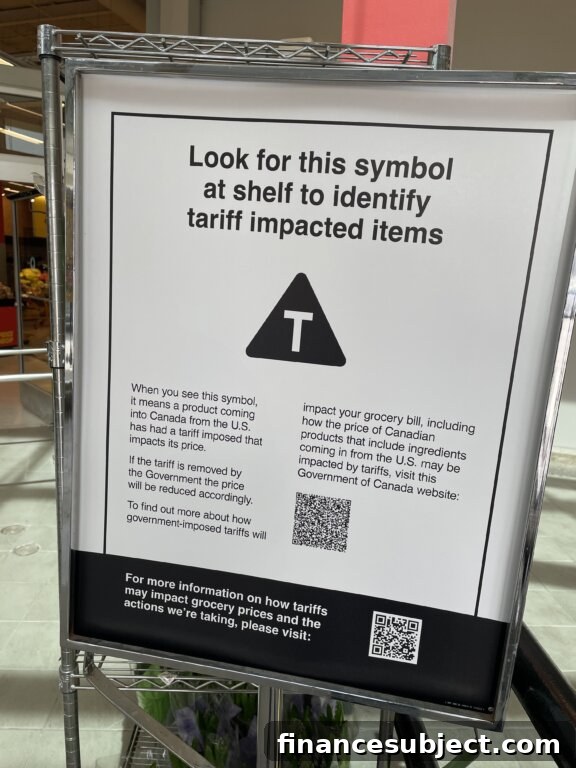
5. Tagging products affected by tariffs
Some retailers are making it easier for shoppers to spot U.S.-sourced goods by labeling them on shelves. For example, certain grocery chains now use a “T” symbol to identify products that are affected by tariffs. That transparency helps shoppers make informed choices at the point of purchase and supports those who want to prioritize Canadian alternatives.
6. Using Canada-focused shopping websites and apps
If you want to buy local but aren’t sure where to start, several online directories and apps collect Canadian-made brands and businesses in one place. These tools range from marketplaces and curated directories to barcode-scanning apps that indicate a product’s origin. They make it simpler to find regional producers, filter by product type or province, and discover companies that emphasize Canadian manufacturing or ownership.
- Local directories and curated marketplaces: Sites and directories that list Canadian brands and let you filter by province or category help you find products made domestically.
- Scanning and verification apps: Mobile apps that scan barcodes and provide origin information or user-submitted reviews make on-the-spot decisions easier at the store.
- Diverse directories: Some platforms focus on underrepresented business owners—such as women, Indigenous entrepreneurs and other groups—making it easier to support a wide range of Canadian makers and retailers.
7. Travelling within Canada instead of heading south
Rather than booking vacations to U.S. destinations, more Canadians are choosing domestic travel. Visiting national parks, exploring regional towns and supporting local hotels, restaurants and attractions helps keep travel dollars in Canada while offering fresh experiences closer to home. Staying local can also be more budget-friendly and supports communities that rely on tourism income.
Buying Canadian doesn’t have to be costly or complicated. Small changes—choosing a locally produced staple, trying a Canadian brand in place of a familiar U.S. product, or using apps and groups to discover regional makers—add up. Together these actions support Canadian jobs, farmers and manufacturers and help build more resilient supply chains at home.
Resource highlight
Find the perfect card with CardFinder
In under 60 seconds, get matched with a personalized list of the best credit cards based on your spending personality and approval likelihood. No SIN required.
Powered by ratehub.ca
Read more about the economy:
- Is Canada in a recession?
- Will ending the consumer carbon tax save Canadians money?
- Inflation’s surprise jump and the Bank of Canada
- How to prepare for possible job loss in Canada
- ETF strategies to help Canadian investors