
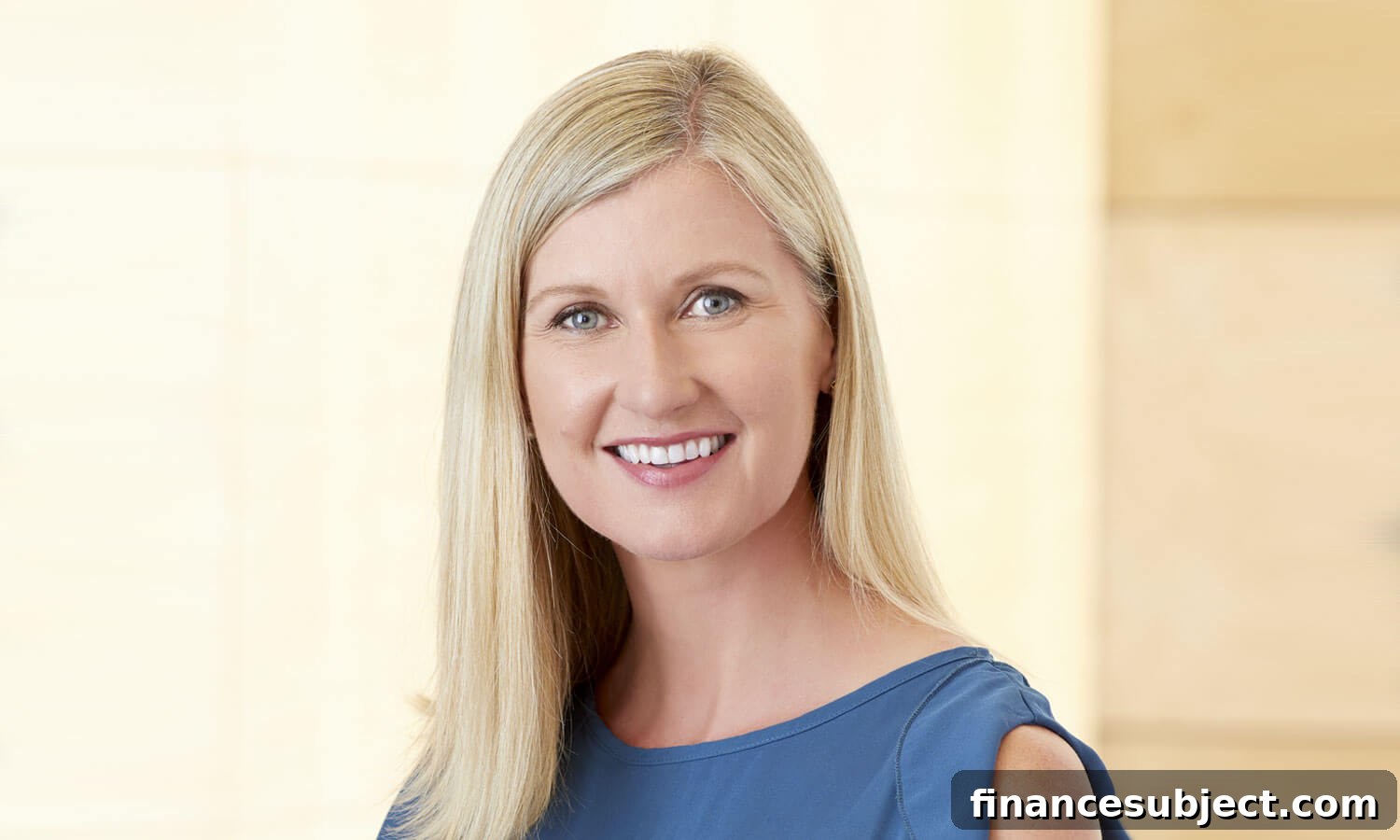
When you work in the finance and credit industry, money is always on your mind. For Jenelle Dito, senior director of the FICO Score team at Fair Isaac Corporation, that focus includes helping people understand debt and credit. FICO, one of the original credit-scoring companies founded in 1956, supplies scoring information to consumer credit reporting agencies such as Equifax and TransUnion. Dito is passionate about financial literacy and developing practical tools to help people manage their finances. In this interview with MoneySense, she explains how credit cards, budgeting and everyday decisions affect her life and her approach to money.
Who are your investing heroes?
I admire people who invest in their passions and create meaningful change while earning a return. The idea of an “activist investor” has been around for a long time and, when done well, can be powerful. I’m inspired by those who use capital to amplify the voices and stories of underrepresented groups—Reese Witherspoon, for example, has invested in producing films and series by and for women and produced impressive results.
How do you like to spend your free time?
I’d describe myself as a lazy but active person. I enjoy running, travelling and socializing with friends, yet I also love quiet nights at home watching movies and spending time with my dogs. With my children now in college, my schedule has shifted—I have more time for myself and don’t need to constantly juggle work and family activities, which has been a welcome change.
If money were no object, what would you be doing right now?
If money weren’t a concern, I’d spend more time with family and travel the world. I’ve always been curious about entrepreneurship—there’s a part of me that imagines owning a restaurant someday—though I’d have a lot to learn. The idea of building something of my own lingers, even if I don’t know the ins and outs of that business right now.
What was your earliest memory about money?
Some of my earliest lessons came from grocery shopping with my grandmother. She clipped coupons, compared prices across stores and taught me when it made sense to buy generic and when to splurge on brand-name items. Her emphasis on avoiding waste and making thoughtful purchases shaped my approach to money and still guides me today.
What’s the first thing you remember buying with your own money?
Growing up with three older brothers meant I was influenced by their tastes in music and media. I remember saving up to buy a cassette tape by The Cars and feeling proud when my brothers wanted to listen with me. That tape was a prized possession and one of my first small but meaningful purchases.
What was your first job?
My first real job was washing dishes at a local restaurant. It was humbling work but empowering to earn my own paycheque. I used that money to buy clothes and go to the movies with friends, and it taught me the value of earning and managing my own income.
What was the biggest money lesson you learned as an adult?
In college I opened several low-limit credit cards aimed at students and quickly maxed them out buying clothes and other items. The finance charges added up and it took years to pay off that debt. At the time I didn’t regularly check my credit score, but I’m certain my score would have reflected the burden of unpaid balances. That experience taught me the emotional and financial weight of overspending and the relief that comes from paying off debt and living within my means. I’m grateful that I learned this lesson before I needed larger credit products like a mortgage.
What’s the best money advice you’ve ever received?
“Think about it.” That simple admonition reminds me to pause before making impulsive purchases and to consider the consequences. My grandmother’s grocery routines were an early form of that advice—be deliberate about spending. Today, as a leader in financial education, I believe knowledge is power: understanding your credit score and overall financial picture gives you confidence and control.
What’s the worst money advice you’ve ever received?
I grew up in a household where money wasn’t discussed openly. It wasn’t so much bad advice as a lack of conversation and transparency about managing, growing and investing money. That silence left a gap in understanding how to handle finances effectively.
Would you rather receive a large sum of money all at once or a smaller amount regularly for life?
I’d choose smaller, reliable payments for life. A lump sum is tempting in theory, but I prefer the steady predictability of ongoing income. I’d rather invest prudently and create a long-term income stream than try to spend a windfall all at once.
What do you think is the most underrated financial advice?
Be prepared. If you can foresee a financial outcome, you can plan to prevent problems. Know your budget, your credit standing and your access to credit. Understanding your FICO score and how it affects loan access means you’re better equipped to handle emergencies or big purchases. Education and preparation reduce surprises and improve financial outcomes.
What is the biggest misconception people have about growing money?
Many people are intimidated by investing because they think they need to pick individual stocks or become active traders. In reality, growing money is about consistent, sensible investing. The most important step is simply to start. There are many low-cost, low-risk options that let you invest without needing deep expertise.
What does the word “value” mean to you?
To me, value means buying what matters and avoiding unnecessary spending. I’ll splurge in areas that bring real joy—cereal is one of those quirks—while skipping expensive trends that don’t align with my priorities, like high-end athleisure. Knowing what you value helps guide smarter spending choices.
What’s the first major purchase you made as an adult?
The first major purchase was a home—an important and carefully planned step. But I vividly remember the sense of adulthood that came with my first self-funded vacation; it felt like a milestone in independence.
What’s your take on debt?
Debt can be a healthy financial tool when used responsibly. Mortgages, student loans and financing for significant purchases are often sensible uses of credit, and responsible borrowing is reflected in your FICO score. However, using debt to cover day-to-day expenses or borrowing beyond your means can become dangerous. Managing debt within your budget is key.
What was your most recent splurge?
My most recent splurge was a family holiday in Mexico at an all-inclusive resort. I appreciate that the cost is up front, which lets you relax without worrying about daily charges—an indulgence worth the expense for quality family time.
What is the last money-related book you read?
With college-aged children, I recently read “I Want More Pizza” by Steve Burkholder. It presents budgeting and financial planning in a relatable, accessible way—useful for parents and students alike.
What is something you always have in your wallet?
I wish I could say cash, but I often don’t carry any. I use Apple Pay with my favourite cards on my phone, so I rarely need a wallet anymore.
What is your favourite possession?
My grandmother’s wedding ring. I admired it growing up, and when she passed away nearly 20 years ago, she left it to me. I wear it daily as a cherished reminder of her and the lessons she taught me about thrift and value.
What’s your next money goal?
Right now my focus is on tuition and college expenses for my two children. I hope the savings I’ve accumulated over the years will cover most of those costs so they can avoid graduating with debt. Once we get through this phase, I’ll turn more attention to retirement planning.
My MoneySense quick questions
Rent or own?
Own.
Buy or lease?
Lease.
Save or invest?
Invest.
Budget or not?
Absolutely budget.
Read more My MoneySense profiles:
- The Pink Taxauthor Janine Rogan on how she stopped impulse buying and started building wealth
- The one thing influencers Steph & Den want you to know about retirement
- Meet Michelle Hung: The Sassy Investor who shows clients how to realize their worth
- Kristy Shen on living the FIRE life and using money to “buy back time”