
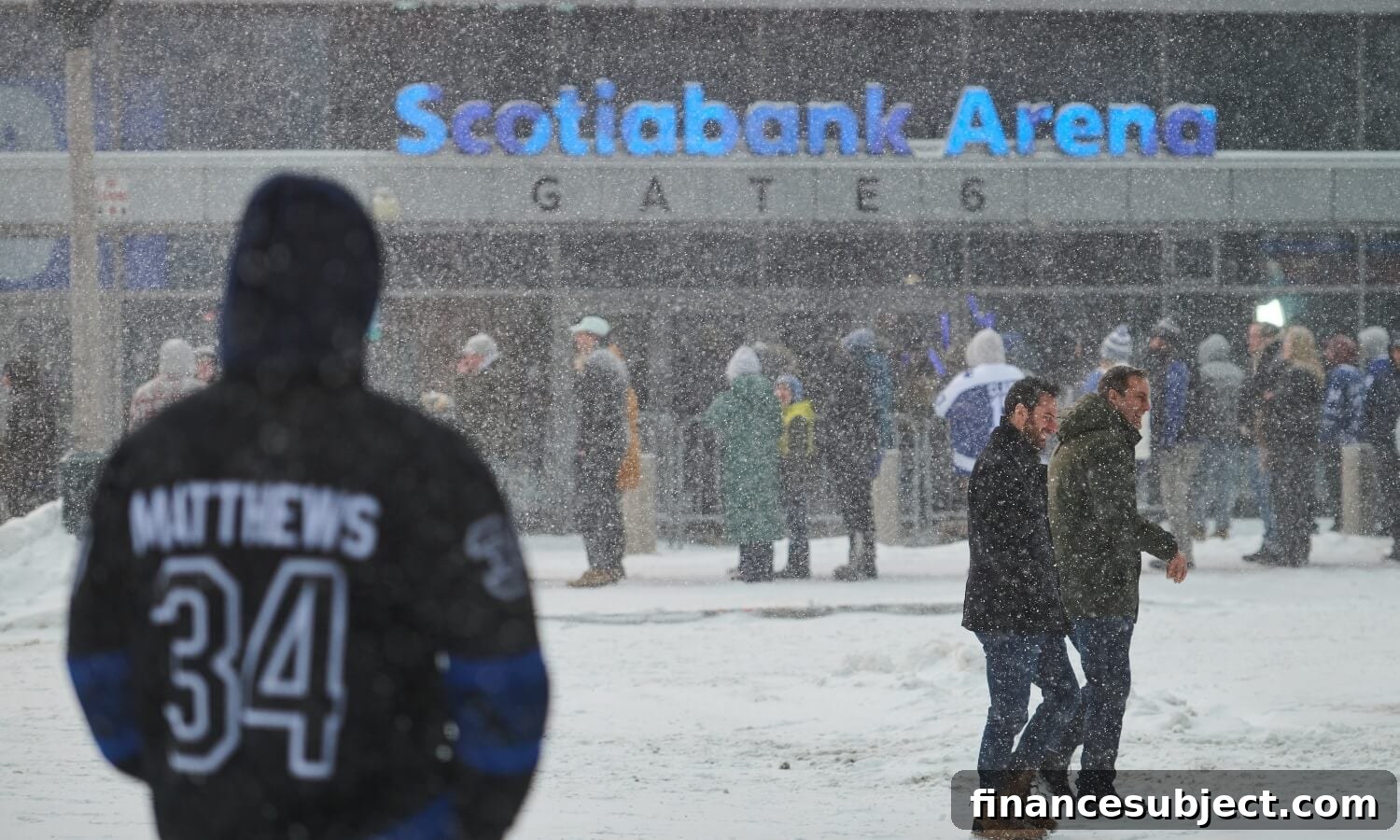
Your favourite artist is coming to town or your team is heading into the playoffs. You want to go, but you don’t want to pay top dollar. That raises the familiar question: should you buy tickets now, or wait until closer to the event in hopes prices will fall?
Many major ticket sellers now use dynamic pricing systems that change ticket prices in real time based on demand and other variables. That makes it harder for buyers to know the best moment to purchase a ticket and increases uncertainty for anyone hunting a bargain.
“When we’re talking about prices, it ultimately comes down to consumer demand,” said David Clement, North American affairs manager with the Consumer Choice Center. When an event becomes very popular, demand rises while supply remains limited, and prices reflect that. For example, during the World Series last year, verified resale tickets on major platforms reached extremely high prices because so many people wanted to attend.
The cost to attend major sporting events and popular concerts remains a hot topic. Tickets for marquee events—such as national team games at major tournaments—often stay expensive, and governments in some provinces have recently taken steps to limit extreme resale prices. But whether to buy early or hold out depends on the specific event and how flexible you can be.
Best times to buy tickets
Not all events use dynamic pricing, but large sellers often do. Analysis of ticket sales patterns can provide guidance. For example, SeatData.io analyzed hundreds of thousands of concert ticket sales and found two broad buying windows that tend to offer better value: very early purchases (around 90 days out) and last-minute buys, especially in the final day or two before the event.
The study showed day-of-event tickets often had the lowest median price, while prices tended to peak about two to four weeks before an event. It also found weekly and seasonal patterns: Saturdays tended to be cheaper days to buy, and some months showed lower median prices compared with peak months.
Personal finance expert Preet Banerjee suggests two simple rules. Rule No. 1: if the risk of a sellout is high—if the event is extremely popular or tickets are scarce—buy early. High demand and limited supply mean prices are likely to rise as the event approaches. Rule No. 2: if the event is liquid and easily replaceable—regular-season sports games, smaller tours, or events with many similar dates—waiting can pay off because sellers will reduce prices to avoid holding unsold tickets that become worthless.
As an example, a major superstar tour with many eager fans in a single city will likely see prices climb as the date nears. By contrast, a routine home game for a team with many fixtures or a concert by a less in-demand artist may see resale prices fall in the final days as sellers try to move tickets.
Other practical tips: monitor pricing trends early, compare prices across verified resale platforms, and consider weekday and seasonal patterns that historical data highlights. If you must attend and tickets are limited, prioritize securing seats early. If your plans are flexible and the event is not at high risk of selling out, consider waiting for last-minute discounts.
Why flexible buyers can win
Dynamic pricing uses increasingly sophisticated inputs to set costs. Companies and resellers may monitor the speed of ticket sales, a team’s recent form or winning streak, player injuries, and even weather forecasts for outdoor events. Those factors can cause prices to rise or fall quickly.
For recurring, lower-demand events, the market often becomes competitive among resellers as the event date approaches. Unsold tickets have no value after the event, so sellers may sharply reduce prices to ensure a sale. If you have flexibility—both in timing and where you’ll sit—you can sometimes find very good last-minute deals.
That said, die-hard fans and those with more disposable income tend to pay premiums for certainty and the best seats. That willingness to pay drives up prices for everyone. It’s also worth remembering that dynamic pricing works both ways: while policymakers and the public often focus on spikes in ticket prices, market forces can also push prices down substantially under the right conditions.
To summarize: identify the risk of sellout, judge how replaceable the event is, watch pricing trends, and be honest about how flexible you can be. Buying early reduces the risk of missing out; waiting can yield bargains if the event remains available and sellers are eager to sell.
Read the available research and track historical pricing behavior for similar events to make a more informed decision. Combining that insight with your own tolerance for risk and flexibility will help you decide whether to secure tickets now or hunt for last-minute savings.
Read more about shopping:
- Canadians booking earlier as fuel costs drive travel uncertainty
- Saving money on vacation doesn’t have to mean sacrificing fun
- Trade homes, not cash: A new way to see the world
- The state of the Canadian used car market: Trends, insurance, and the true cost of ownership