

Cashback credit cards let you earn a portion of your spending back as cash whenever you use the card. Some cards pay the same percentage on every purchase, while others offer higher rates in specific categories such as groceries, gas, or dining. A few cards even provide different rewards depending on where you shop.
The cash back you accumulate is stored in your account and can typically be redeemed as a statement credit, direct deposit, or sometimes for gift cards, merchandise, or discounts on future purchases. The most important rule is to pay your balance in full each month—carrying a balance usually means interest charges that can erase any rewards you’ve earned. Here’s an overview of how cashback cards work and which ones stand out in Canada.
Featured cashback credit cards
SimplyCash Card from American Express
GO TO SITE
CIBC Dividend Visa Infinite Card
GO TO SITE
Tangerine Money-Back Credit Card
GO TO SITE
What is a cashback credit card?
A cashback credit card is a rewards card that returns a percentage of your purchases as cash. Some cards offer a single flat rate on all spending, while others use tiered rates that pay more in specific categories such as groceries, gas, or recurring bills.
Compared with points or travel rewards, cashback cards are usually the simplest and most flexible option. Cash back has a clear, fixed value—what you see is what you get. Points or travel rewards can offer higher potential value in certain redemptions, but they require more planning and often lock you into specific loyalty programs.
Below are the main differences between cashback cards, travel rewards cards, and store points cards:
| Feature | Cashback cards | Travel rewards cards | Points cards |
|---|---|---|---|
| How rewards work | Earn a percentage of each purchase back as cash (e.g., 2% back). | Earn travel points based on spending, often with bonuses in travel categories. | Earn points per dollar at certain retailers or categories; typically for specific stores. |
| Redemption options | Statement credit, direct deposit, or gift cards. | Flights, hotels, car rentals, and travel upgrades. | Store credit, gift cards, or retailer-specific rewards. |
| Value of rewards | Fixed and predictable (e.g., 1% = 1 cent per $1). | Variable; can exceed cash back if redeemed strategically. | Varies by program and redemption options. |
| Best for | Everyday simplicity and reliable savings. | Frequent travellers seeking maximum value. | Shoppers loyal to specific retailers. |
| Downsides | May yield less value for heavy travellers than travel cards. | More complex rules and fluctuating point values. | Limited redemption flexibility; points can devalue. |
Bottom line: Cashback cards are ideal if you want a straightforward way to save on everyday spending. Travel or points cards can be more valuable for specialized use cases, but they require more effort to maximize.
How cashback credit cards work (how to earn cash back)
All cashback cards operate on the same basic idea: you earn a percentage of each transaction back in cash. The difference is in how that percentage is applied.
Flat rate rewards
Flat-rate cashback cards pay the same rate on every purchase. These are the easiest to use because you don’t have to track categories. Flat rates tend to be modest but consistent—for example, a 1.5% flat-rate card gives you $1.50 back for every $100 spent.
Boosted earn rates
Many cards offer higher rates in select categories (groceries, gas, recurring bills) while paying a lower base rate elsewhere. These can be very rewarding if the bonus categories align with where you spend most. For example, some cards pay 4% on groceries and recurring payments, 2% on gas and transit, and 1% elsewhere.
Pro Tip: Choose a card whose bonus categories match your regular expenses to get the most value.
Custom or rotating boosted rewards
Some cards let you select your own bonus categories and change them periodically; others rotate categories automatically. This adds flexibility but requires more attention: you’ll need to update or watch categories to maximize earnings.
Pro Tip: Always pay your statement in full. High interest rates can quickly erase rewards if you carry a balance.
How to redeem your cash back
Redeeming is where cash back turns into real savings. Common options include:
- Statement credit: Apply your rewards directly to your card balance.
- Direct deposit or cheque: Transfer rewards to your bank account or request a cheque.
- Automatic redemption: Some cards automatically apply rewards once you hit a set threshold.
- Gift cards or merchandise: A few issuers let you redeem rewards for gift cards or items through their rewards portal—these sometimes offer less value than cash redemptions.
Pro Tip: Redeem as a statement credit or direct deposit for the most straightforward value; gift cards can sometimes be worth less.
Are cashback credit cards worth it?
Yes—when chosen and used correctly, cashback credit cards can put real money back in your pocket. Value depends on your spending mix, fees, and whether you carry a balance. For many Canadians, cashback cards are reliable and simple ways to reduce everyday costs.
While advanced strategies like splitting purchases across multiple cards can increase returns, many people benefit most from a single card that matches their largest expenses. Always consider earning caps, annual fees, and the likelihood of carrying a balance when deciding which card is best for you.

The best cash back credit cards in Canada
Below are several popular cashback cards in Canada and what makes them stand out.
Rogers Red World Elite Mastercard
The Rogers Red World Elite is a top no-fee cashback card that offers a flat 1.5% cash back on Canadian purchases and 3% on U.S. purchases, which can offset foreign transaction costs. It also includes travel perks such as lounge access and some insurance coverages.
Rogers Red World Elite Mastercard
Annual fee: $0
Rewards: 1.5% to 3% cash back — 3% on U.S. dollar purchases, 1.5% on other purchases (2% for Rogers, Fido and Shaw customers).
Welcome offer: None at this time.

Card details
| Interest rates | 25.99% on purchases, 27.99% on cash advances, 27.99% on balance transfers |
| Income required | $80,000 per year |
| Credit score | 725 or higher |
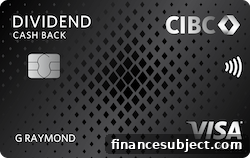
CIBC Dividend Visa Infinite
The CIBC Dividend Visa Infinite pays 4% cash back on eligible gas, EV charging, and groceries, 2% on dining, transit, and recurring payments, and 1% on everything else. It offers flexible redemption and a welcome value including a first-year fee rebate.
CIBC Dividend Visa Infinite
Annual fee: $120 (rebated first year)
Rewards: 1%–4% cash back with flexible redemption.
Welcome offer: Join and earn up to $400 in value including a first-year annual fee rebate. Offer not available to Quebec residents.
Card details
| Interest rates | 21.99% on purchases, 22.99% on cash advances, 22.99% on balance transfers |
| Income required | Personal income $60,000 or household $100,000 |
| Credit score | 725 or higher |
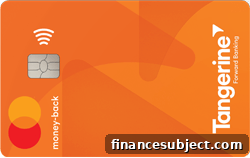
Tangerine Money-Back Credit Card
The Tangerine Money-Back Card is a versatile no-fee option that lets you choose up to two bonus categories to earn 2% cash back (or three if you deposit rewards into a Tangerine Savings Account). All other purchases earn 0.5% back. You can change categories every 90 days and rewards are paid monthly.
Tangerine Money-Back Credit Card
Annual fee: $0
Rewards: 0.5%–2% cash back — 2% in chosen categories, 0.5% elsewhere.
Welcome offer: Earn 10% cash back for 2 months (up to $100). Offer ends September 30, 2026.
Card details
| Interest rates | 20.95% on purchases, 22.95% on cash advances and balance transfers |
| Income required | Personal or household income $12,000 |
| Credit score | 660 or higher |
FAQs
Yes. Many cashback cards carry high interest rates, so carrying a balance can negate your rewards. Other downsides include caps on bonus categories, limited redemption options, and annual fees that may reduce net benefits.
Payout frequency depends on the issuer. Some cards allow you to redeem at any time once you reach a minimum, while others automatically issue rewards monthly, quarterly, or annually. Check your card’s terms for specifics.
Common options are statement credits, direct deposit, cheque, gift cards, or merchandise through the issuer’s rewards site. For straightforward value, choose statement credit or direct deposit when available.
Newsletter
Get free MoneySense financial tips, news & advice in your inbox.
More about credit cards:
- The best no-fee credit cards in Canada
- Credit cards that can help you save on travel to Orlando
- The best travel credit cards in Canada
- Best Air Miles credit cards in Canada