
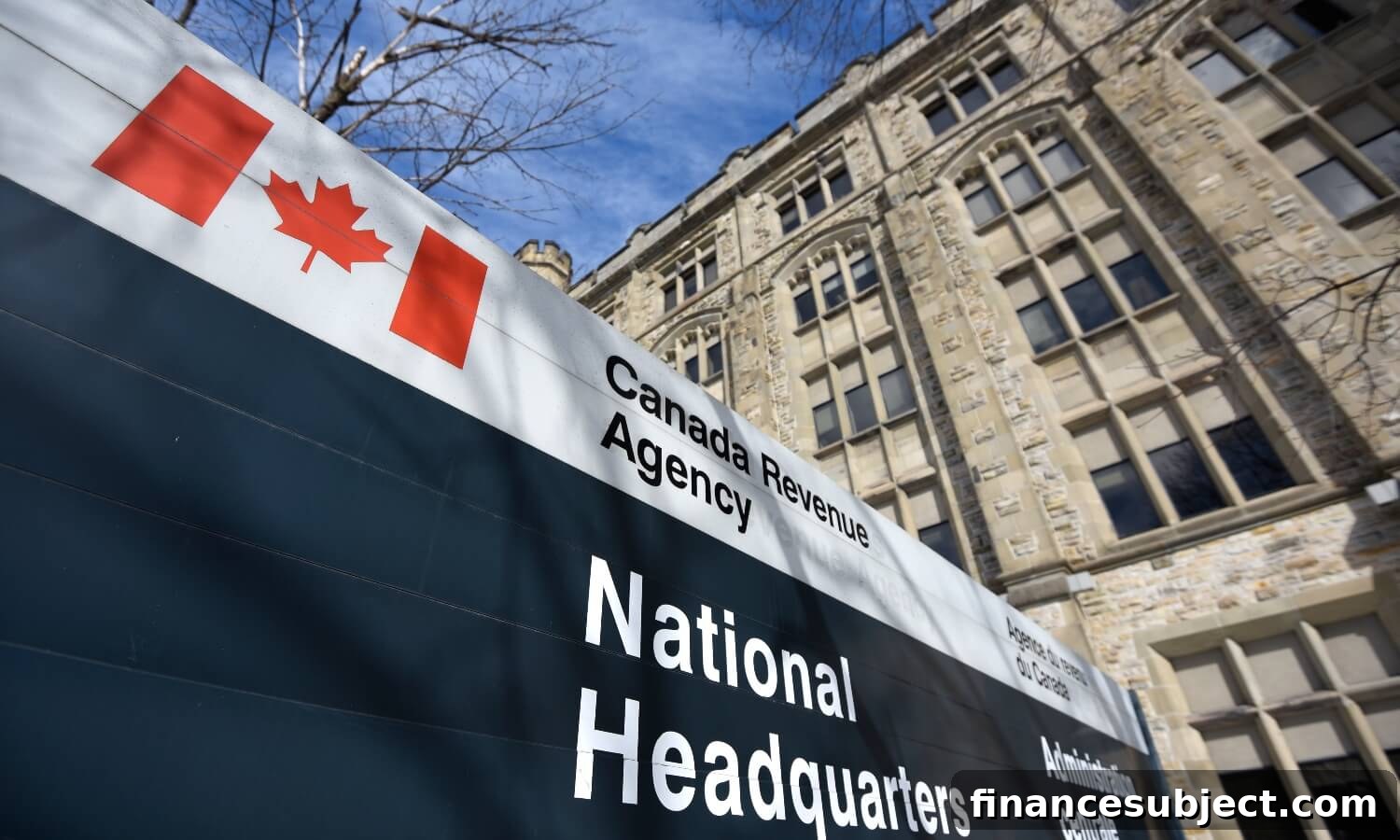
There have been several important personal finance developments this year that could affect how much money you have available. If you missed some headlines, here’s a clear, up-to-date summary of the key policy and market changes for 2025 and what they mean for households.
Interest rates and inflation
As inflation cooled, the Bank of Canada was able to lower its policy rate by a full percentage point in 2025 to 2.25%. Even so, many essential costs remain elevated and household budgets are under pressure. The annual inflation rate slowed to 2.2% in October, but specific categories—especially groceries—continue to outpace the overall rate.
“Essential costs remain elevated as grocery prices rose 3.4% year-over-year, and food costs continue to outpace the general rate of inflation,” said Natasha Macmillan, senior business director of everyday banking at Ratehub.ca. Higher tariffs and supply-chain expenses have added to the burden on everyday spending, making it harder for many families to keep up.
Rising costs have coincided with an increase in payment delinquencies. Equifax Canada reported the non-mortgage delinquency rate reached 1.63% in the third quarter, a 14% rise from a year earlier. Average non-mortgage debt also climbed, up $511 year-over-year to $22,321. These trends highlight ongoing stress for consumers even as headline inflation eases.
Resource highlight
LoanFinder is moments away from showing your personalized loan matches
In under 60 seconds, get matched with loan providers tailored to your needs and approval likelihood. No SIN required.
Powered by ratehub.ca
Taxes in 2025
The federal government introduced a 1% cut to the lowest federal income tax rate in 2025, lowering it to 14%. Because the change took effect partway through the year, the effective rate for 2025 will be about 14.5%, with the full 14% rate applying in 2026. That translates to roughly $206 in tax savings for this year and about $420 next year for an individual taxpayer—potentially doubling to about $840 for a two-income household. For many middle-income households, this cut provides meaningful after-tax relief.
Prime Minister Mark Carney also reversed a previously proposed increase to the capital gains inclusion rate. The planned change would have raised the portion of capital gains subject to tax from 50% to about 66.7% for large gains, but that increase has been shelved. Officials argued that keeping the inclusion rate at half supports investment and encourages entrepreneurs to take risks.
First-time homebuyers benefit from a new GST rebate for qualifying new homes priced up to $1 million on purchases made on or after May 27. The rebate can reduce costs for eligible buyers by up to $50,000; homes priced between $1 million and $1.5 million receive a partial rebate. The government still needs to finalize the enabling legislation before payments begin.
In his first policy move as prime minister, Carney also ended the personal carbon tax on April 1, removing the tax and its related rebate. Even so, the previous program had generally left many households ahead overall, particularly lower-income families and those who drove less. Government estimates previously showed a net household benefit of between $157 and $723 last year, depending on the province.
Banking
A government-backed expansion of low- and no-cost bank accounts came into effect in December, requiring participating institutions to offer accounts that cost no more than $4 per month and include 50% more debit transactions without additional fees. These simplified, affordable accounts must be available at no cost or reduced cost to students, people aged 18 and under, recipients of registered disability savings plan benefits, and seniors receiving the guaranteed income supplement. Newcomers to Canada can access a free account during their first year.
Separately, consultations are underway about increasing Canada Deposit Insurance Corporation (CDIC) coverage from $100,000 to $150,000. No formal change had been adopted at the time of reporting, but the review reflects ongoing attention to financial system resilience.
featuredNeo Savings AccountEarn up to 2.75% interest—rates increase as your balance grows.go to site
featuredEQ Bank Personal AccountEarn up to 2.75% on savings and use a prepaid Mastercard for daily purchases.go to site
Artificial Intelligence
Artificial intelligence has had a growing presence across finance this year. On the investment side, AI-driven optimism has pushed valuations higher and raised debate over whether a speculative bubble could form. Retail investors who benefited from the run-up should still be mindful of elevated risk.
AI has also changed how Canadians access financial guidance. Automated tools can lower barriers for people uncomfortable discussing money with another person, but they can also produce imperfect or unreliable recommendations. Non-profits and financial services providers are experimenting with AI while monitoring risks around fraud and job disruption.
Credit Canada launched an AI agent called Mariposa, which the organization says makes it possible to complete a full credit counselling appointment, including a debt assessment, without speaking to a human. “You can actually complete an entire credit counselling appointment, including a debt assessment, without talking to a human if you don’t want to. It’s genius,” said Bruce Sellery, chief executive of Credit Canada.
Looking ahead to 2026
Looking forward, several policy and economic issues could shape household finances next year. Open banking remains a top prospect: when implemented, it will give Canadians more control over their financial data and make it easier to manage multiple accounts and services in one place.
Trade reviews—most notably the Canada-United States-Mexico Agreement (CUSMA) review—could produce disruptions that affect jobs, supply chains and inflation. Any renewed trade friction would raise the risk of upward pressure on prices and could influence the Bank of Canada’s policy decisions.
At present, many analysts expect the central bank to begin raising rates again later next year or at the start of 2027, but uncertainty is elevated. “Uncertainty remains high, and the range of possible outcomes is wider than usual,” Bank of Canada governor Tiff Macklem said, underscoring how difficult economic forecasting has become.
Newsletter
Get free MoneySense financial tips, news & advice in your inbox.
Read more:
- Setting expectations when lending money to loved ones
- Canadians face more opportunities—for profit and peril
- Inside Canada’s stalled crypto tax crackdown
- What the Laurentian-to-NBC move might mean for your accounts