
When Christine Perry* of Burlington, Ontario enrolled her then-3-year-old daughter in dance lessons, she was fulfilling a childhood wish. Christine’s parents hadn’t been able to pay for extracurriculars when she was young, and she was determined to give her children opportunities she had missed. Christine later had two more daughters and eventually all three were taking classes at the same local dance studio.
“Unfortunately, they ended up liking it,” Christine jokes. As her daughters grew, they added more classes. Tuition climbed over the years and, two years ago, her eldest joined the studio’s competitive team. Today Christine pays $731 each month for various classes, plus several thousand dollars annually for competitions, costumes and travel—on top of other activities like swimming lessons. While Christine and her husband can manage these costs, she worries for families that can’t. “When your kids are enjoying something, you don’t want to take it away,” she says.
Up-to-date national data on extracurricular participation and spending is limited, but past reports provide useful context. A 2001 Government of Canada report indicated that 86% of Canadian children aged 6 to 17 had taken part in at least one extracurricular activity. A 2017 Ipsos survey found that 71% of Canadian parents believed it was important to keep children busy with organized activities, and suggested parents spent an average of $1,160 per year on extracurriculars. The same polling indicated that 55% of Canadians felt financial strain from extracurricular fees, and 32% of families reported going into debt to pay for these programs.
To understand current costs and how families can fit extracurriculars into a household budget, we spoke with Lianne Hannaway, a CPA and wealth coach in Toronto.
A look at the numbers
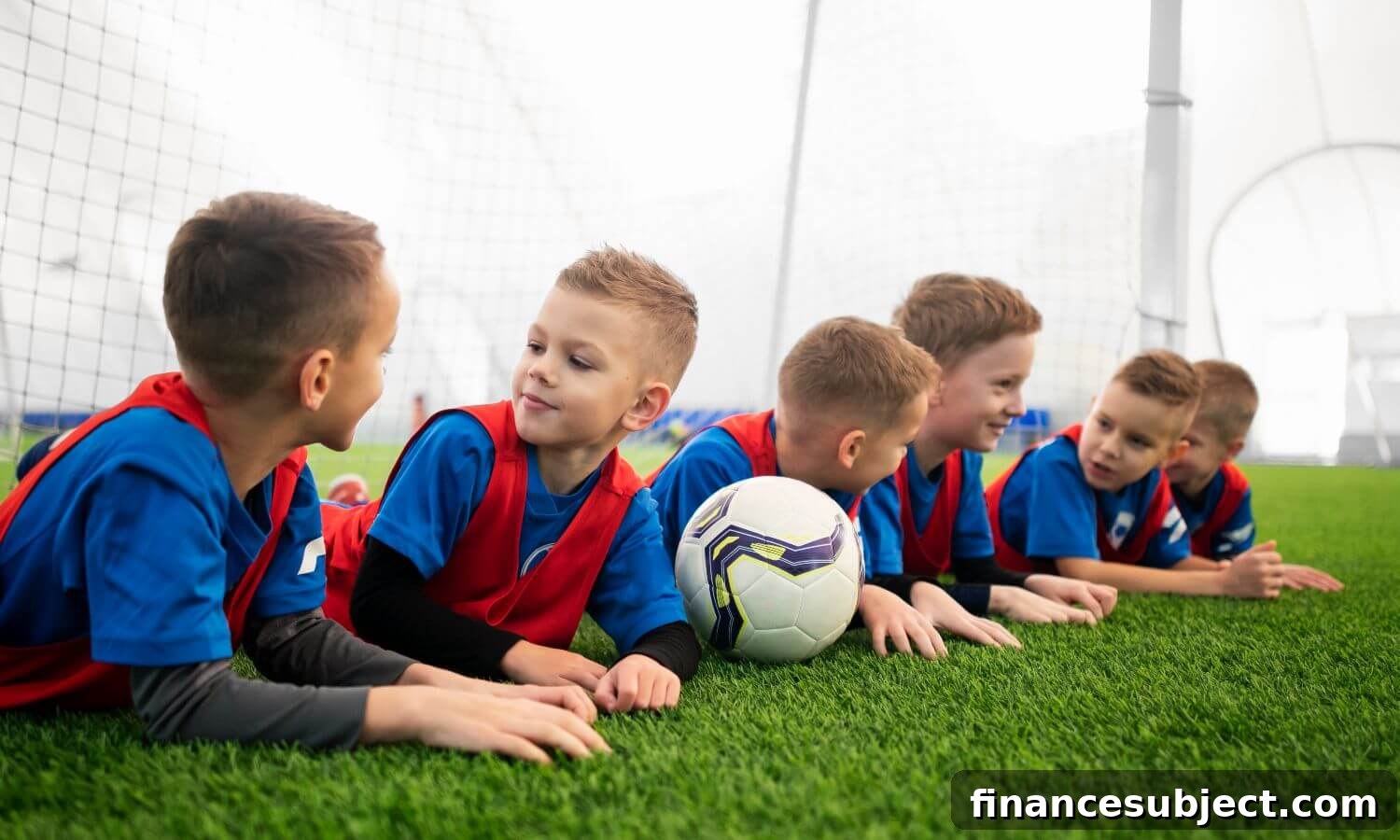
Costs for children’s extracurriculars vary widely depending on the activity, location, program structure and whether travel or competitions are involved. Activities can be short-term—like a six-week art course—or year-round, such as weekly music lessons, seasonal team sports, or competitive dance. Payment structures differ, too: some programs require full payment at registration, others charge monthly. Competitive teams often add registration fees and parents usually pay for equipment, uniforms, spiritwear and travel-related expenses such as hotels and meals.
Also read
Best savings accounts in Canada
Find the best and most up-to-date savings rates in Canada using our comparison tool
While the average Canadian family reportedly pays about $1,160 per year for after-school activities, the real cost can be far higher for competitive sports, activities with travel demands, or specialty programs—especially when multiple children participate. Here are examples from Canadian parents that illustrate the range of costs:
- “I pay around $5,500 a year for my 14-year-old daughter’s competitive volleyball team and $6,000 a year for her competitive dance.” —Elizabeth in Hamilton, Ontario
- “$1,375 per year for each of my two kids’ theatre lessons. And then we pay to see them perform!” —Sophie in London, Ontario
- “$489 per month for competitive dance plus around $2,500 in added costs during competition season.” —Carrie in Burlington, Ontario
- “$150 per month for cello lessons plus $500 a year to rent the instrument.” —Emily in Toronto, Ontario
- “$243 per month for vocal lessons, $1,413 per year for student theatre, $840 in annual fees for jazz orchestra, and $2,800 for a summer music academy in Cuba.” —Maureen in Burlington, Ontario
- “With three kids in competitive cheer, baseball, and hockey, I pay more for their activities than I do for my mortgage when factoring in travel, hotels for tournaments, etc. We paid for 40 hotel nights in 4 different provinces in 2025 alone.” —Amanda in Ottawa, Ontario
- “$10,000 a year for competitive dance including lessons, competitions, costumes and other fees.” —Caitlin in Toronto, Ontario
- “Our son made a rep hockey team and we ended up saying no because the registration fee alone was $3,000. He’s seven!” —Annie in Burlington, Ontario
Dealing with pressure—and sticking to what you can afford
Enrolling children in extracurriculars often goes beyond occupying after-school hours; parents also feel pressure to provide enrichment, expose kids to a variety of experiences, or help them keep pace with peers. That pressure can lead families to overspend—especially when a child becomes passionate about a high-cost activity.
Hannaway emphasizes that activities must align with the family budget. “Saying ‘yes’ to something that creates financial stress is not a gift,” she says. That doesn’t mean you must deny every activity, but be intentional about the choices you make and the format of the program.
“When kids are young—under 12—keep it local and exploratory,” Hannaway advises. As children get older and focus on a specific passion, it can make sense to invest more in that activity. But for most families, there’s no need to opt for an expensive travel-heavy team when a local house league or community program provides the same enjoyment and the chance to learn. “The idea isn’t excellence at every turn; it’s exposure. Costs should match your financial reality.”
Affordable options and savings tips
Affordable extracurricular options do exist. Start by checking programs at your local library and community centre, which often run free or low-cost drop-in and weekly classes: dance, gymnastics, art, coding and more. City-run swimming lessons are typically much cheaper than private pools. Youth clubs run by municipalities, school-based sports and arts programs, and national organizations like Beaver Scouts or Girl Guides of Canada can be low-fee choices—often under $300 a year.
To reduce costs for pricier activities, Hannaway recommends keeping programs local, buying secondhand equipment or using equipment swaps, and taking advantage of team or club fundraisers. Volunteering with a club may also reduce fees. Redirecting gift-giving is another practical strategy—ask grandparents to contribute to equipment or lessons instead of buying toys. Hannaway notes that such gifts often increase family support and involvement, which benefits the child beyond the financial contribution.
A great childhood doesn’t require a huge price tag
Parents naturally want the best for their children, but that should not mean going into debt to avoid disappointment or to keep up with others. If an activity doesn’t fit your budget, it’s okay to say no. Prioritize what you can afford, and remember that unstructured play and downtime are important for healthy child development.
“Guilt is the number one enemy of good financial decisions,” Hannaway says. Establish clear financial boundaries and explain them to your children. When an expense doesn’t align with your family’s resources, it’s a teaching opportunity about trade-offs and priorities—valuable lessons that children can handle and benefit from in the long run.
Newsletter
Get free MoneySense financial tips, news & advice in your inbox.
Read more about saving:
- 3 signs you need to take control of your parents’ finances
- How to ensure your kids can keep your house when you die
- Helping your kids buy a home? Why a cash gift may be safer than co-signing
- Raising kids is expensive—here’s how to keep costs manageable