
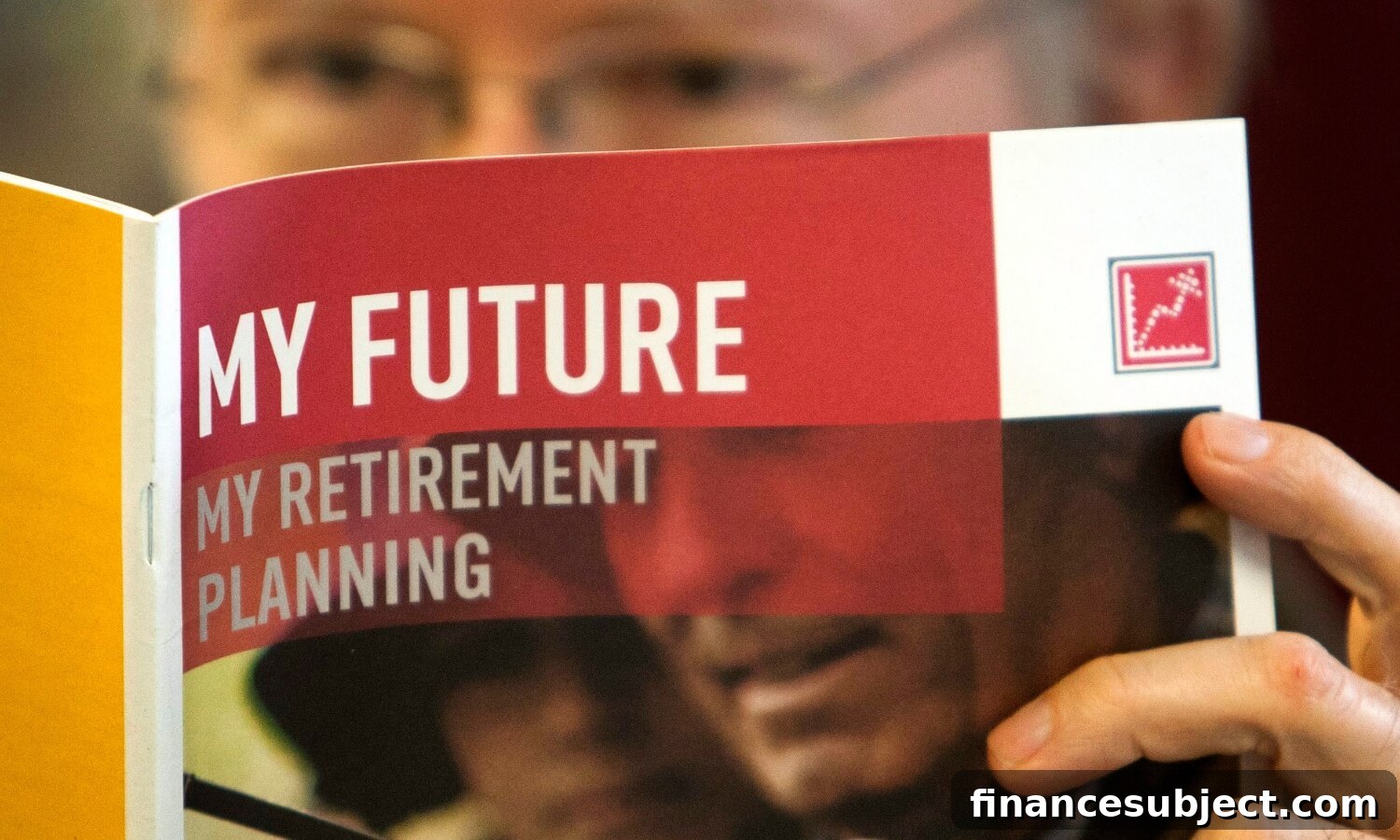
Retirement changes many parts of your financial life, and your investment portfolio is one of the biggest. Tracy Andrade, a wealth adviser and certified financial planner at Marnoa Private Wealth Counsel, notes that one of the toughest adjustments is watching savings decline as you draw on your nest egg. “That’s the biggest mental mind shift that people have to kind of think about when they’re heading into retirement,” she says. “It’s hard to see your balance go down.”
When you reach the year you turn 71, your registered retirement savings plan (RRSP) must be converted into a registered retirement income fund (RRIF). That conversion changes how you manage retirement assets: you can hold the same investments in a RRIF that you held in an RRSP, but you can no longer make contributions. Instead, you are required to take annual withdrawals based on your age, with mandatory minimum withdrawal percentages rising as you grow older.
Shifting your portfolio for RRIF withdrawals
Converting to a RRIF typically prompts a shift in portfolio composition. Although the same securities are allowed, the new focus becomes reliable cash flow and capital preservation to meet mandatory withdrawals. Andrade recommends a “bucketing” approach for many clients: set aside a portion of assets in low-risk or cash-equivalent investments dedicated to near-term withdrawals, while keeping longer-term growth assets invested for recovery and inflation protection. That way, if markets fall, you won’t be forced to sell growth assets at a loss to meet income needs.
Because RRIF withdrawals are mandatory and structured to be drawn down over a lifetime, the portfolio must balance income needs, longevity risk and market volatility. A layered strategy—short-term safe assets, medium-term bonds or conservative funds, and long-term growth holdings—can reduce the risk of sequence-of-returns losses while providing the cash you need today.
featuredRegistered GIC rateEarn a guaranteed 2.75% in your RRSP when you lock in for 1 year.go to site
Best RRSP ratesSee our ranking of the best RRSP accounts and rates available in Canada.read now
Planning withdrawals to protect retirement income
Having liquid, accessible cash is essential when investments are your primary source of retirement income. Andrade emphasizes the importance of being able to cover withdrawals without selling growth assets during market downturns: “I want to make sure the money is there when I need it and if the market performs poorly or there’s a downturn, you still have time to recover.”
Withdrawals from a RRIF are taxed as income in the year you take them. Even if the funds originated from capital gains or dividends inside the RRIF, once withdrawn they are added to your taxable income. There’s no legal maximum for RRIF withdrawals in a year, but large lump-sum withdrawals can push you into a higher tax bracket and trigger higher taxes. A substantial increase in taxable income might also lead to clawbacks of Old Age Security (OAS) benefits if your income exceeds the thresholds that affect OAS entitlement.
Tailor your retirement plan to your needs
Taking money from a RRIF doesn’t mean you must spend it immediately. If you don’t need the funds for living expenses and you have contribution room, you can withdraw from a RRIF and re-contribute to a Tax-Free Savings Account (TFSA). Funds in a TFSA grow tax-free and withdrawals are tax-free, offering a flexible, tax-efficient source of cash for future needs.
Sandra Abdool, a regional financial planning consultant at RBC, points out that holding money outside your RRIF provides a buffer against making large, taxable withdrawals for unexpected expenses such as major home repairs or purchasing a vehicle. “How you weave this is very much specific to each client. It’s really going to depend on what are your sources, how much income do you need, what is your current tax bracket, and what is the tax bracket projected to be by the time you get to 71,” she explains.
Abdool encourages clients to have these conversations well before retirement. Advance planning with a financial adviser helps ensure your income needs are met, your tax exposure is managed, and you have greater peace of mind about how your retirement finances will unfold.
Newsletter
Get MoneySense financial tips, news & advice in your inbox.
Read more about retirement:
- What’s more important: your wealth or your legacy?
- Young Canadians sue CPP Investments over climate risks
- Why late-career savers need to be careful with RRSPs
- CPP payment dates in 2025, and more to know about the Canada Pension Plan