
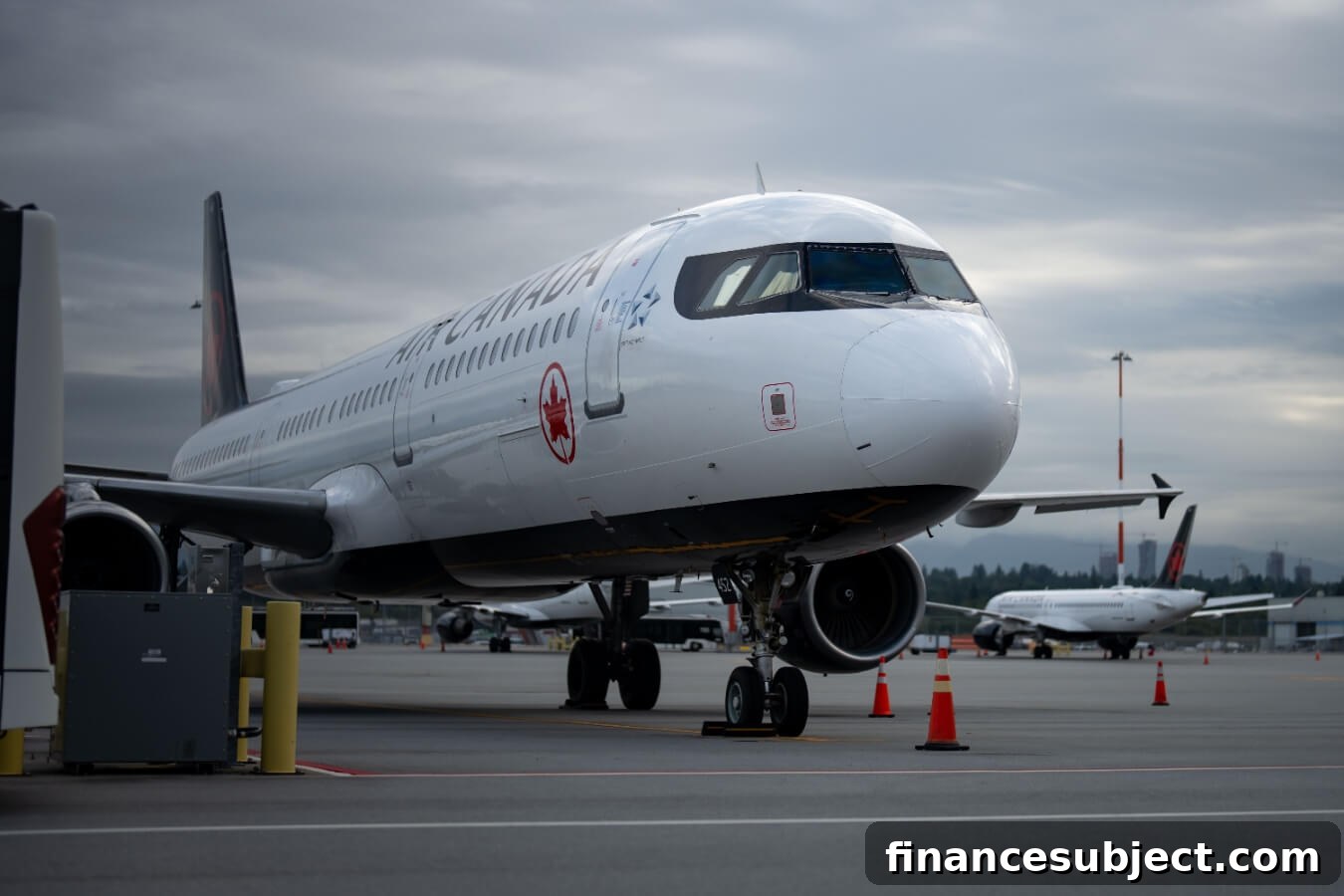
The U.S. government shutdown has disrupted thousands of flights, leaving many Canadian travellers stranded or scrambling to adjust plans. Since Friday, aviation analytics firm Cirium reports more than 8,300 U.S. departures cancelled, with cancellation rates around 10% on Sunday and 9% on Monday. As disruption continues, questions are mounting about whether trip insurance will cover losses tied to the shutdown and related air traffic control shortages.
Hundreds of thousands of Canadians travel to and from the United States each month. Travel insurance purchased before government advisories were issued should generally still provide coverage for cancellations or interruptions, according to Marty Firestone, president of Toronto-based Travel Secure Inc. “After that date, any purchase of a policy will not cover anything related to the government shutdown or related air controller issues,” he said. Insurers often treat widely reported, foreseeable events as “known events,” which are typically excluded from new policies.
That distinction matters for travellers who bought coverage after the shutdown became public or who did not buy insurance at all. Those passengers may not be eligible for reimbursement of out-of-pocket expenses such as meals, hotels or ground transport under a travel insurance policy. Regardless of insurance, airlines are generally responsible for offering rebooking options or refunds when flights are cancelled.
Featured travel credit cards
Scotiabank Gold American Express Card
GO TO SITE
American Express Cobalt Card
GO TO SITE
MBNA Rewards World Elite Mastercard
GO TO SITE
Many credit cards include some form of travel insurance that can cover flight cancellations or interruptions, but coverage varies widely. Matt Hands, vice-president of insurance at Ratehub, advises cardholders to read terms and conditions carefully. In some cases, insurance benefits only apply if the trip was charged to that card or if the cardholder purchased specific travel protection add-ons.
U.S. air traffic controller shortages drive cancellations for Canadian travellers
The shutdown-related shortage of U.S. air traffic controllers prompted regulators to implement air traffic reductions beginning last Friday. Inclement winter weather across parts of North America has compounded staffing challenges, increasing delays and cancellations. Canadian carriers warned last week that passengers with U.S. connections would be particularly vulnerable, and even direct cross-border routes between major hubs have been affected.
Air Canada, for example, notified passengers on a New York City–Toronto flight that an evening departure was cancelled “because of air traffic control restrictions.” The airline explained that restrictions can occur when too many aircraft are scheduled to use the same airspace relative to available controller resources.
FAA warns delays could continue as staffing stabilizes
Cirium data shows cancellation rates recently exceeded the U.S. Federal Aviation Administration’s threshold of 4%. The FAA planned to raise that threshold to 6% on Tuesday and 10% later in the week to reflect operational limits at certain facilities. The agency also warned that reduced staffing at dozens of towers and control centers could cause extended delays at airports serving Phoenix, San Diego, New York, Houston and other cities, and it expanded restrictions affecting some private and business flights.
Although the U.S. Senate passed legislation to reopen the government, the bill still required approval in the lower chamber, and final resolution could take several days. Firestone warned that even after the shutdown ends, it may take one to two weeks for staffing and schedules to normalize—timing that could overlap with busy holiday travel periods and prolong disruptions for business and leisure travellers alike.
U.S. Transportation Secretary Sean Duffy said cuts to flights will remain in place until the FAA confirms stable staffing levels at affected air traffic control facilities.
Practical steps for affected travellers: contact your airline immediately to learn about rebooking or refund policies; check the effective date and exclusions of any travel insurance or credit card coverage you purchased; keep receipts for any expenses you hope to claim; and document communications with airlines and insurers. If you bought a policy after the shutdown became public, be prepared that the insurer may classify related cancellations as stemming from a known event and deny coverage for those specific losses.
Newsletter
Get free MoneySense financial tips, news & advice in your inbox.
Read more about travel insurance:
- If you’re going on vacation, don’t forget travel health insurance
- How to stay on budget this summer, wherever your vacation plans take you
- The best travel credit cards in Canada for 2025
- Is your credit card’s travel insurance enough?