
Ask MoneySense
I recently read this article where accountants suggested there were strategies to reduce the tax bill but declined to give specifics. Could you write about what options might exist to lower taxes in situations like this?
—Sarah
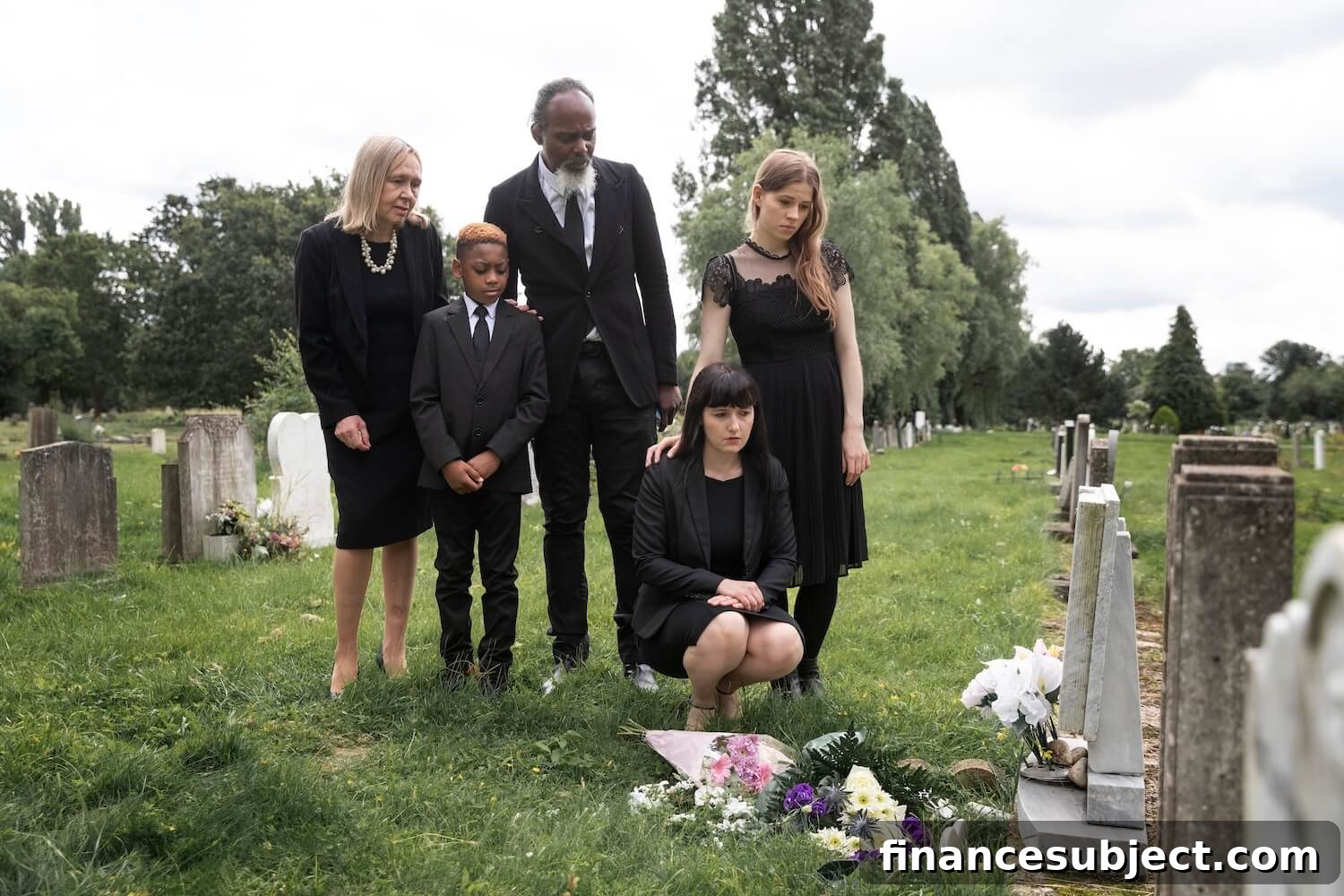
Hi Sarah. My wife read the same story and had the same question: what could these parents have done to reduce the tax burden, and why was the bill so large? The piece, titled “Ontario woman says government took ‘every cent’ of parents’ savings,” describes two adult children stunned to learn they faced roughly $659,000 in taxes after both parents died within a year.
The headline numbers are shocking at first glance, and it’s understandable the children felt blindsided. To make sense of this, let’s break down what happened, why the tax bill was so high, and what kinds of planning — if any — might have reduced the tax exposure.
According to the account: the father died after the mother, and he had a full year of employment income, which the article estimates at $175,000. The couple also had an RRSP valued at $715,000 and an $850,000 capital gain on a cottage. Those items together drove the estate’s taxable income and produced the large tax bill.
Why it’s hard to fix after the fact
When death is sudden, there are few retroactive fixes. Employment income earned during the year is fully taxable; there’s no way to avoid paying income tax on salary already earned. RRSPs are also taxable on death unless specific rollover rules apply. Naming adult children as beneficiaries bypasses probate fees, but it doesn’t avoid immediate taxation: the RRSP value is included in the deceased’s income for their final tax return and the resulting tax liability must be settled by the estate or the beneficiaries.
Capital gains can sometimes be reduced by careful planning, but that depends on how properties were used and designated. If a family owned two properties, one could be claimed as the principal residence to shelter some or all of a gain. The article notes that capital gains are taxed on only 50% of the gain in Canada, so an $850,000 gain becomes $425,000 of taxable income—still a significant amount.
Putting the pieces together: $175,000 in salary plus $715,000 from the RRSP plus $425,000 of taxable capital gain totals $1,315,000 of taxable income. At the rates that apply at those income levels, the resulting tax bill was about $659,000—roughly half the combined amount—which explains why it felt like “every cent” had been taken.
The practical result for the heirs was that they inherited real estate assets but little liquid cash. The only immediate source of cash came from the RRSP proceeds, and after taxes the two children were left with around $56,000 between them to cover funeral expenses, professional fees, and short-term holding costs while arranging sales or other transitions for the properties.
Ask MoneySense
Have a personal finance question? Submit it here.
What could have reduced the tax burden?
Some steps can reduce estate taxes or ease the financial pressure on survivors, but they must be taken in advance and tailored to likely scenarios:
- Life insurance: Purchasing term or permanent life insurance provides immediate, tax-free cash to beneficiaries when death occurs. Insurance proceeds don’t reduce tax owing on RRSPs or capital gains, but they can give heirs liquidity to pay taxes, funeral costs, and hold assets until the right time to sell.
- Property designation and use: Where possible, designating a principal residence and understanding how multiple properties are used can reduce capital gains. This requires forward planning and, in some cases, professional advice to document periods of primary residence.
- RRSP/RRIF planning: Gradually converting RRSPs to RRIFs and drawing income over time can smooth taxable income in retirement. If both spouses plan to live longer, spreading withdrawals may reduce the chance of a single year of very high income on decedent’s final return.
- Estate liquidity planning: Keeping some assets in liquid, accessible forms—or arranging lines of credit tied to property—can prevent forced sales at inopportune times. Couples might also consider beneficiary designations that provide flexibility while minimizing probate fees.
- Contingency scenarios: Good estate planning includes “what if” scenarios, such as both spouses dying close together or one dying unexpectedly. Plans that work when both spouses live long lives may produce poor outcomes if both die early; thinking through alternate outcomes can change insurance, investment, and titling choices.
None of these options eliminates taxes that are lawfully owed, but they can reduce the immediate financial strain on heirs and preserve value by avoiding rushed asset sales.
This case is a reminder that estate planning should consider multiple outcomes, not only the most likely or comfortable scenario. Families who expect to rely on gradual withdrawals or on deferrals tied to living to an advanced age may want to revisit their plans and consider life insurance, better liquidity, or different property strategies to protect heirs from a sudden, concentrated tax hit.
Newsletter
Get free MoneySense financial tips, news & advice in your inbox.
Read more Ask a Planner columns:
- Retirement taxes explained: Withholding, clawbacks, and other surprises
- Insurance for self-employed Canadians: What coverage do you need?
- Can you move income back and forth between spouses?
- “We’re well off in retirement. How can we pay less tax?”