
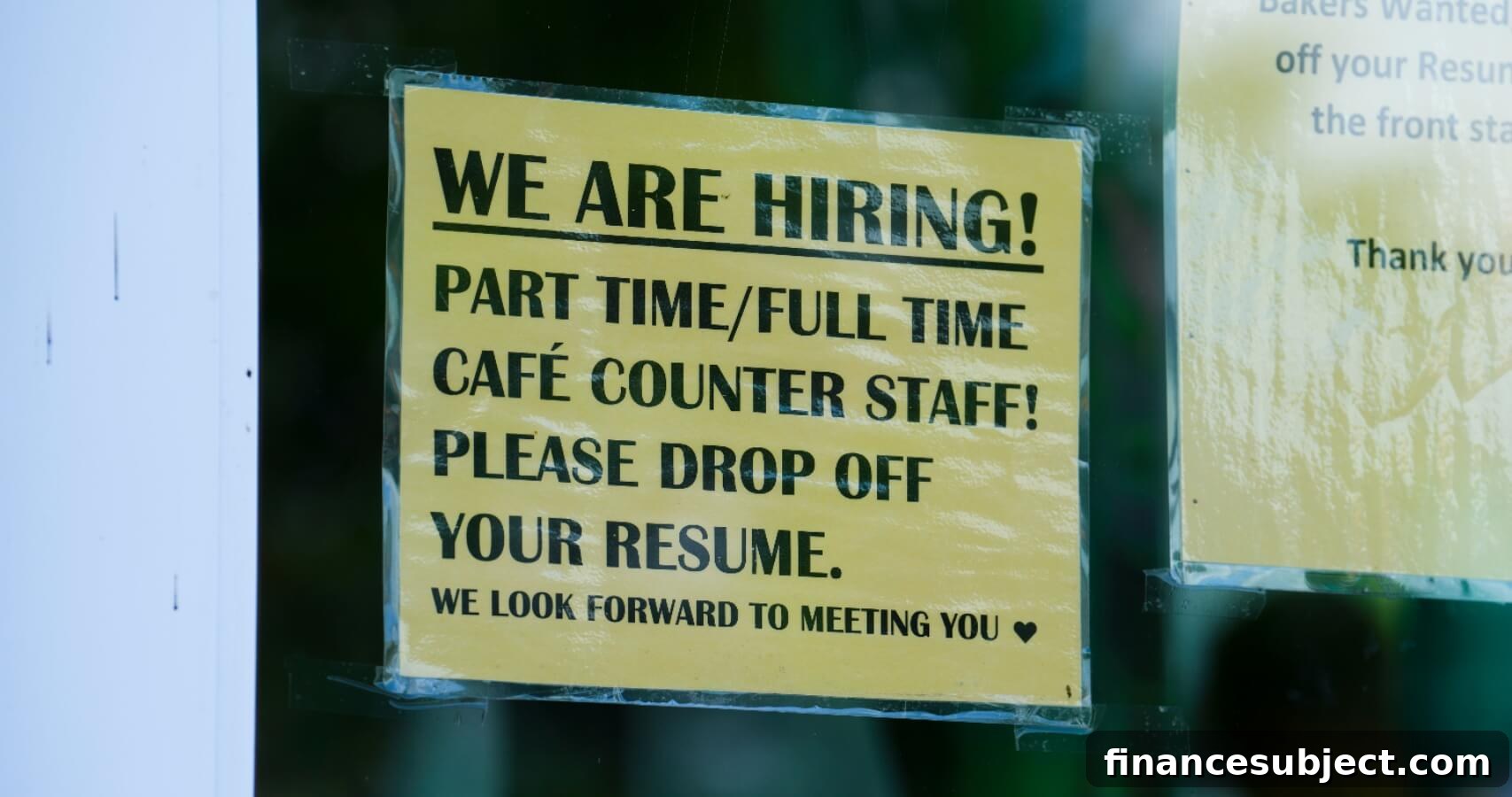
A new Desjardins Economics report argues that Canada’s youngest workers are facing worsening job prospects, driven by the growth of gig work, the spread of artificial intelligence, and rapid population increases. The findings arrive as Conservative Leader Pierre Poilievre has pointed to years-high youth unemployment to criticize the temporary foreign worker program. Statistics Canada’s most recent labour force survey shows the unemployment rate for people aged 15 to 24 climbed to 14.6% in July, a level not seen in nearly 15 years outside the pandemic period.
The Desjardins report notes that the recent spike in youth unemployment looks more like what is typically seen during recessions. Breaking the numbers down further, Statistics Canada reported that returning students aged 15 and 16 faced an unemployment rate of 31.4% in July, at the peak of the summer jobs season.
Kari Norman, an economist at Desjardins and the report’s author, said the pressure is visible at home. “I’ve seen my own kids and my friends’ kids struggle to find summer jobs, co-op placements, or anything like that,” she said, describing how difficult it has been for teenagers to secure entry-level work.
Temporary worker program at centre of jobs debate
On Wednesday, Poilievre described young Canadians as a “generation screwed,” blaming the temporary foreign worker program for taking positions that would otherwise go to young people. He urged the federal government to eliminate the program.
Prime Minister Mark Carney responded that while he supports reducing immigration overall, he does not plan to scrap temporary worker programs, noting that provinces support the initiative. He said the government may still consider adjustments to the broader immigration framework.
Desjardins co-author LJ Valencia said much of the current situation stems from the post-pandemic labour recovery, when businesses urgently needed workers and the federal government increased the number of foreign workers and eased rules for international students. “Job opportunities are declining because the economy can’t keep up with this level of population growth we’ve seen over the past few years,” he said.
Student money guide
How to pay for school and have a life—a guide for students and parents
Ottawa’s immigration targets could rebalance the youth labour market
Desjardins highlights that international students and the children of recent arrivals—groups that now include many young people entering the labour market—are disproportionately affected compared with those born in Canada. The Liberal government has announced plans to slow population growth and reduce the number of non-permanent residents in coming years. Desjardins economists argue that meeting those targets could help restore balance between labour supply and demand for youth jobs.
“Reducing the number of youth through tightening immigration both in international students and other newcomers should soften the blow a little bit and help the youth that are still here find the jobs that are available to that age cohort,” Norman said.
Digital shift and automation squeeze youth opportunities
Beyond population dynamics, structural changes in the economy are limiting early job opportunities for young people. The growth of the gig economy—app-based and frequently precarious work—can exclude younger teens because many platforms set minimum age requirements of 18 or older. Norman pointed out that simple neighbourhood jobs like dog-walking or house-sitting increasingly migrate to digital platforms that younger teens cannot access. “My youngest would love to get a job walking dogs or cat-sitting, but at 16 just isn’t eligible,” she said.
Automation and artificial intelligence are another pressure. Desjardins cites a Stanford University study showing that while many core working-age adults have so far seen little disruption from AI, younger workers are beginning to experience job losses. Valencia suggested this may reflect a shrinking number of entry-level positions as employers adopt tools that can perform routine tasks traditionally assigned to junior staff.
Norman offered a concrete example: an AI tool that quickly locates legal case studies could replace tasks that would typically be given to a young law clerk, limiting a new graduate’s chance to gain experience and to “get a foot in the door.”
Valencia said whether youth unemployment improves will depend in large part on the broader economic path: if Canada can resolve trade uncertainties, secure stronger exports, or otherwise restore business confidence, hiring could recover and create opportunities for younger workers.
Coordinated action needed to support youth employment
With the economy under pressure from U.S. tariffs and ongoing trade uncertainty, Bank of Canada surveys show firms are scaling back hiring plans. Such pullbacks typically hit young workers first, since they occupy many entry-level roles and are vulnerable during contractions.
Norman warned that if teenagers cannot build early work experience, they may have to rely more heavily on student loans to pay for post-secondary education, which can worsen long-term financial prospects. She urged coordinated action by both provincial and federal governments to smooth the transition from high school into the workforce, trades, or further education.
“This is the future of our labour force right here,” Valencia said. “If young people are restricted from, or hampered by, a lack of job and career-development opportunities, those effects become structural and can shape the economy for years to come.”
Newsletter
Get free MoneySense financial tips, news & advice in your inbox.
Read more news:
- When markets soar, don’t let FOMO take over
- Stock news for investors: Big banks see third-quarter profit growth
- Banking with a credit union can save on fees—but there are limitations
- Nvidia beats revenue expectations in Q2, but fears of a tech bubble persist