
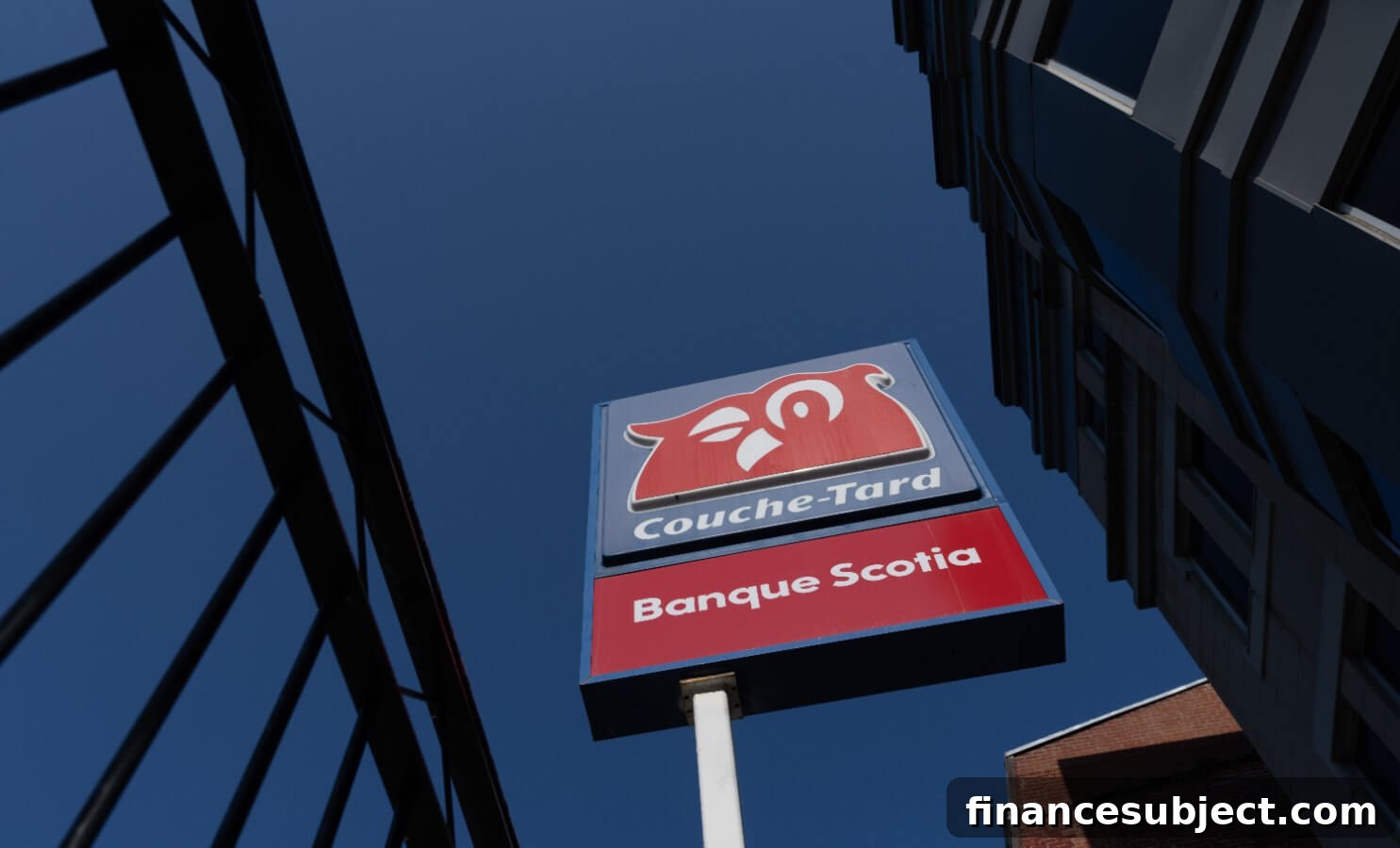
Canada’s largest convenience store operator unexpectedly abandoned a landmark bid that would have dramatically expanded its global footprint when it withdrew a proposal to acquire the parent company of rival 7-Eleven on Wednesday.
Alimentation Couche-Tard, the Laval, Quebec–based owner of Circle K and Ingo, spent nearly a year pursuing Seven & i Holdings Co., the Japanese conglomerate that operates thousands of 7-Eleven stores and a wider portfolio of supermarkets, food producers and financial services businesses. On Wednesday Couche-Tard announced it had ended its takeover attempt, accusing Seven & i of a “persistent lack of good faith engagement.”
Couche-Tard says discussions were unbalanced and unproductive
Couche-Tard said it repeatedly sought constructive, friendly discussions with Seven & i and the Ito family, Seven & i’s founding shareholders, but found the company unwilling to seriously engage on its cash proposal of ¥2,600 (approximately C$24.04) per ordinary share. The Canadian firm said management meetings were tightly scripted, frequently ended early and failed to address core questions about the convenience retail market and potential synergies.
“There has been no sincere or constructive engagement from Seven & i that would facilitate the advancement of any proposal,” Couche-Tard wrote in a letter to Seven & i’s board that it released to the media, referring to public statements the Japanese company had made saying it was “seriously” considering the offer.
Seven & i responded that it had “consistently engaged in good faith and constructively” with Couche-Tard and expressed disappointment at the Canadian company’s withdrawal. The Japanese group also rejected what it called “numerous mischaracterizations” of the talks.
Tools
Find a qualified financial advisor near you
Search a directory of credentialed advisors who provide financial and investing services across Canada.
A missed opportunity to build a global retail leader
If the acquisition had gone through, Couche-Tard would have gained a dominant position in the global convenience store sector. Couche-Tard already operates in 29 countries with more than 17,000 stores. By contrast, Seven & i’s reported network encompasses roughly 85,800 stores, employs about 157,177 people and attracts an estimated 63.6 million customer visits per day.
When talks first became public last year, analysts noted the scale of the potential combination. At the time, 7-Eleven held an estimated 14.5% market share in convenience retail, while Couche-Tard’s brands accounted for about 4.6%. Combining the two companies would have created an entity with nearly a fifth of the sector’s market share, according to outside commentary cited during the initial coverage of the approach.
Couche-Tard’s friendly offer was publicly disclosed in August. Seven & i’s board later said the initial proposal undervalued the company and was “opportunistically timed,” concluding it was not in shareholders’ best interests.
Regulatory challenges and market shifts complicated negotiations
Couche-Tard returned with a revised offer in October, which media reports suggested valued Seven & i at roughly US$47 billion, higher than the earlier $38.6 billion estimate tied to the initial approach. Around that time a member of the Ito family proposed a management buyout, but that proposal failed to secure financing, temporarily strengthening Couche-Tard’s position.
Seven & i consistently raised regulatory concerns, warning that securing approval for such an acquisition across multiple markets would be difficult and could be viewed as reducing competition. The company also highlighted broader market changes since the initial offer, citing shifts in the global economy, exchange rates and financing conditions that affected the feasibility of any transaction.
In its statement, Seven & i reiterated that it had been “always honest about the extraordinary antitrust hurdles a potential transaction would face,” stressing that those challenges and the evolving economic backdrop made a deal complicated.
Couche-Tard attempts to bridge gaps before withdrawing
Despite the obstacles, Couche-Tard made several concrete efforts to get a deal done. In December it offered a substantial reverse termination fee — an arrangement that would have been worth approximately $1.2 billion, rising to more than $1.4 billion if regulators required additional store divestitures. In January the Canadian company submitted a revised, yen-based non-binding proposal in response to Seven & i’s request for proof of continued interest.
Those proposals prompted Seven & i to cooperate on identifying a portfolio of stores that could potentially be divested to address antitrust concerns. Couche-Tard indicated it was open to transaction structures that could mitigate regulatory risks, including acquiring 100% of Seven & i’s business outside Japan while taking a significant minority stake in its Japanese operations.
On July 1, Couche-Tard said Seven & i floated an alternative arrangement under which Seven & i would “contribute” 7-Eleven to Couche-Tard in exchange for equity in the Canadian company. Couche-Tard rejected that proposal, saying it would not provide the premium its cash offer delivered and would weaken the combined company’s operational prospects.
Ultimately, Couche-Tard concluded it could not make further progress and withdrew its offer, accusing Seven & i of a calculated campaign of obfuscation and delay that it said harmed Seven & i and its shareholders.
Newsletter
Get free MoneySense financial tips, news & advice in your inbox.
Read more news:
- Cogeco targets low-data users with new Canadian mobile service
- Canadian home sales forecast downgraded—but the market may be turning a corner
- Buying a new build? You may qualify for a CMHC Eco Plus refund
- How to use AI to find a job—without annoying the employers