
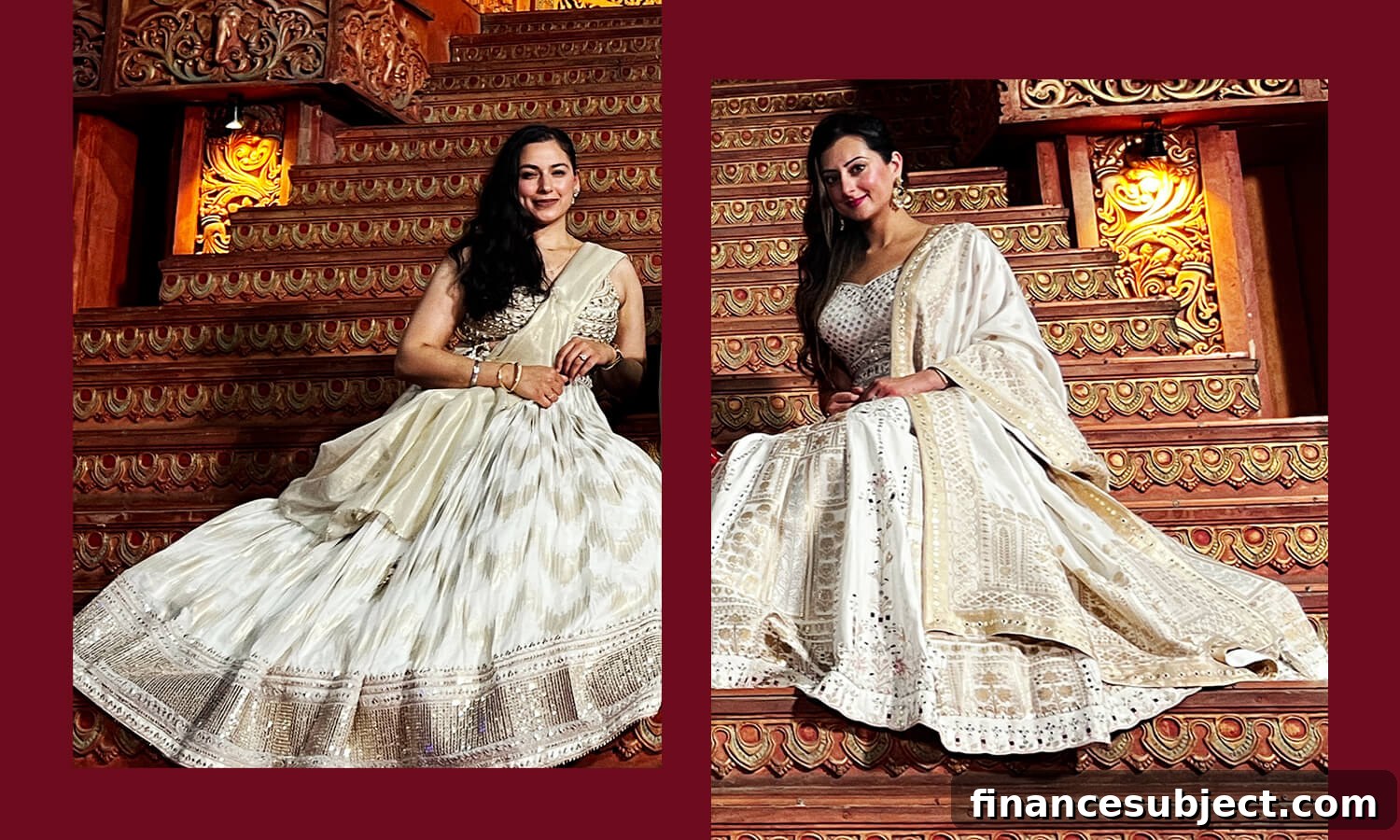
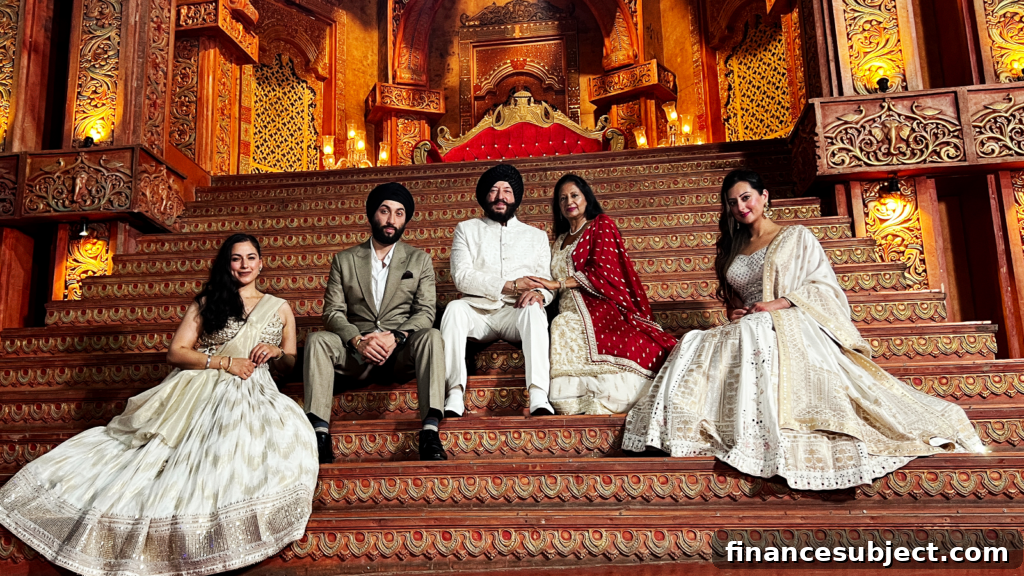
If you’ve walked or driven through Toronto’s Little India, you’ve probably noticed Chandan Fashion, the bright-pink, three‑storey bridal emporium the Singh family has run for more than forty years. Over the past few seasons, Canadians from coast to coast have fallen for the Singhs—patriarch Kuki, matriarch Sarab, daughter Chandni, son Chandan and daughter‑in‑law Roop—thanks to the popular CBC docu‑series Bollywed.
The series follows the family as they juggle the challenges and rewards of expanding an intergenerational business while celebrating the colour and spectacle of South Asian weddings. In season three, the Singhs travel to India—a place tied deeply to their family and their trade—and viewers get to see unexpected moments that change the business and the family dynamic.
When Bollywed first aired on CBC in 2023, Kuki and Chandan answered our My MoneySense questionnaire. To mark season three’s release on Fuse TV in the U.S., I spoke with Chandni and Roop about how their roles in the family business have evolved. Bollywed is available to stream on CBC Gem and Fuse TV.
Can you tell us about the inspiration and vision behind your fashion line, Chandan Couture?
Chandni Singh: Fashion and design are in our family DNA. Growing up in the business gave us an early appetite for creating garments, but the next step for us was finding a voice that blends the two cultures we live between. We’re Canadian‑born and proudly South Asian, so our work pulls from Indian textiles, embroidery and craft while translating those elements into silhouettes and details that speak to a modern, Western audience. That cross‑cultural creativity is what drives the couture line.
Roop Singh: We asked ourselves: why not build on what comes naturally and design pieces we’d love to wear? The result has been exciting—Chandan Couture feels distinct from the everyday inventory in the store. For example, the miniskirt we introduced in season two sold out quickly. The first collection did very well and most pieces moved fast.
You’ve also taken your fashion design to the next level. What will viewers see in season three?
Roop: One of the best parts of season three is that it follows the entire production journey. In earlier episodes you saw us discussing designs in Toronto and receiving finished garments from India. This season gives viewers a behind‑the‑scenes look at craftsmanship—the embroideries, fabric dyeing, and the hands that make the clothes. Filming in India let us show how a design evolves from concept to finished piece.
Chandni: Another big moment was designing with a fashion show in mind, staged in the heart of Mumbai. The stakes felt high because Mumbai’s fashion scene is incredibly discerning—almost like taking a collection to Paris or New York. Being two Canadian‑born women designing for that stage meant pushing our boundaries and rethinking the design language. In season two we were testing the waters; in season three we pushed the couture elements much further and delivered something bold and refined.
Roop: Fusion fashion in India often reflects an India‑centric perspective. Our fusion pieces aim to represent what Canadian and international clients actually want: a true hybrid that balances Eastern craftsmanship with Western wearability. That gap is what we set out to fill, and I’m proud of how the line turned out.
Along with running the new store and designing the clothes, you’re making more business and financial decisions, like hiring your design and manufacturing partners in India. What’s that been like?
Roop: For me, that side of the work has been exhilarating—maybe even more than design. I’m a numbers person. I enjoy building budgets, calculating margins and analyzing which products perform. Getting involved in the supply chain and partnerships in India gives us more control over costs, quality and marketing spend. It’s satisfying to see how those decisions affect the bottom line and the creative possibilities.
Chandni: Roop has introduced systems and processes that the business needed. Mom and Dad always handled finances with a conservative, immigrant mindset—save, maintain reserves, avoid risk. Our generation still values prudence, but we balance that with calculated risk‑taking. Roop brings spreadsheets and structure, and together we test, learn, and iterate. Business growth is a process of trial and error. When something doesn’t work, we analyze it, tweak it, and try again.
Who are your money and business heroes?
Roop: I look to people who produce tangible results—friends and mentors whose advice is practical and informed by experience. There’s truth to the idea that who you surround yourself with shapes your habits and outlook. I’ve been fortunate to have mentors and peers who offer grounded guidance.
Chandni: We’ve also leaned on family friends and community mentors while navigating growth hurdles. Their experience and encouragement have been invaluable.
Roop: Chandan is a big influence for us, too. He encourages bold steps and supports us when we take calculated risks. That push has helped the business evolve.
What’s the best advice you’ve ever received about money?
Roop: Budgeting. Chandan and I set budgets every month because expenses and priorities shift over time. My biggest tip—especially for couples—is to talk openly about money before major life decisions like marriage. Those conversations are awkward but crucial: they help set shared goals, create accountability, and avoid surprises.
Chandni: From our mother we learned the importance of a rainy‑day fund. In business, that reserve matters even more because other people depend on you—suppliers, staff and extended teams. When you’re growing, unexpected costs arise; a financial cushion protects the people whose livelihoods are tied to the company. That lesson from Mom has shaped how we plan and operate.
Last question—if money were no object, what would you be doing right now?
Chandni: After everything we’ve been juggling, I think Roop and I would take a proper vacation—time to unwind and recharge.
Roop: Absolutely. Sun, ocean, beach and a pina colada. That sounds perfect.
This interview has been edited for clarity and length.
Read more MoneySense profiles:
- What’s Russell Peters doing now? Investing, and it’s a laugh
- “What a dumb mistake that was”: Dilys D’Cruz on money lessons and “painless saving”
- “I have the dream job”: Brian Scudamore on making meaning with your money
- Why actor Isabel Kanaan says overnight success and wealth are similar