
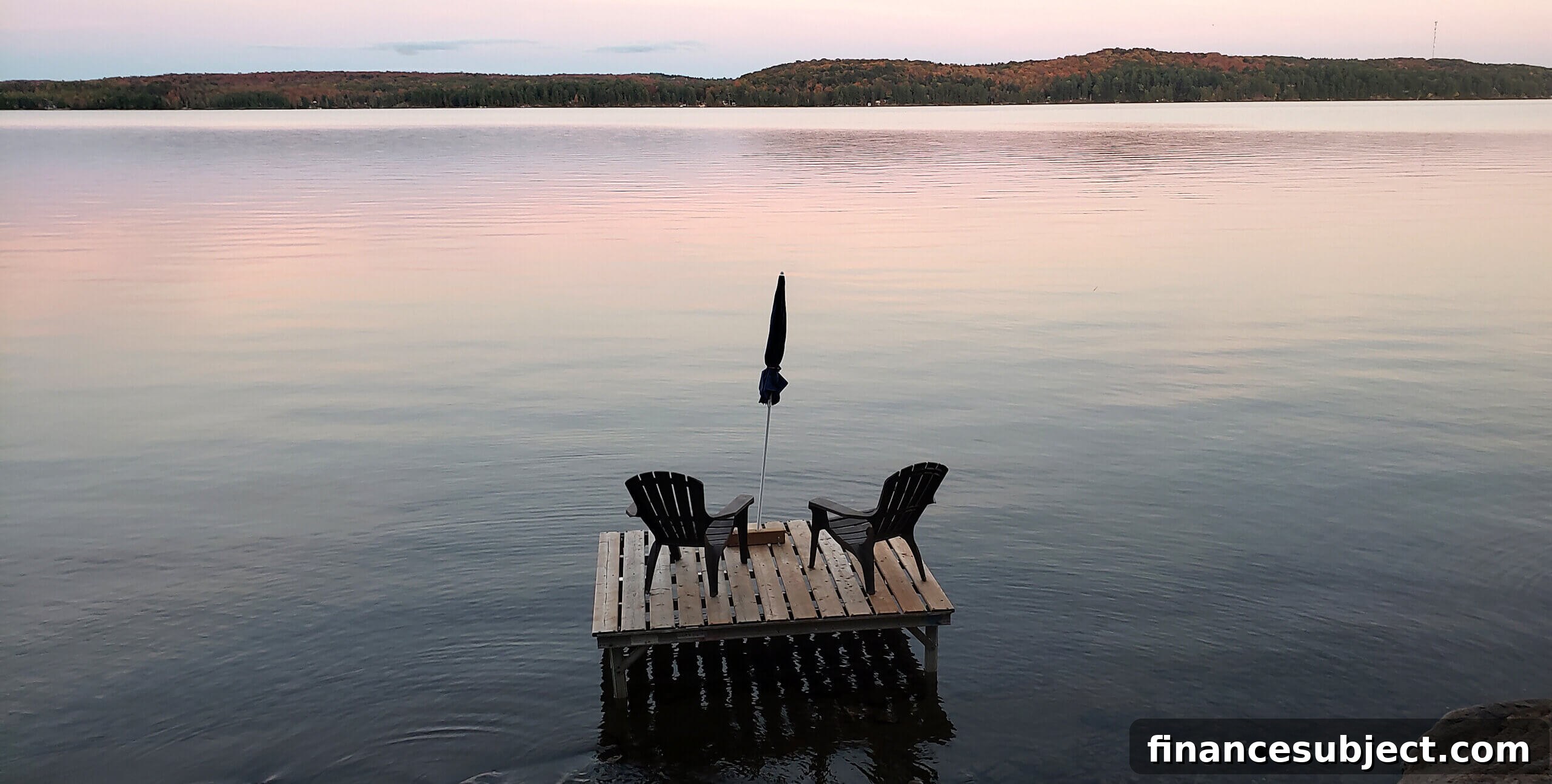
While interest in buying vacation homes has cooled in some parts of Canada compared with the pandemic-era rush, a new Royal LePage report forecasts that prices for recreational properties will climb again in 2025 as demand continues to outstrip supply across most markets.
The report, released Wednesday, projects the national median price for a single-family recreational property will rise about 4% year-over-year to $652,808. That anticipated increase reflects a continued trend of modest appreciation driven by limited inventory and steady buyer interest in second homes, cottages and cabins.
Most and least expensive places to own a vacation home
Provincial differences remain pronounced. Atlantic Canada is expected to see the largest provincial increase, with median prices predicted to jump about 8% to $498,852. Quebec follows closely with a projected 7.5% gain to a median of $457,198.
Alberta continues to hold the title of the most expensive place for a recreational single-family property, with Royal LePage forecasting a 2% rise to nearly $1.3 million. British Columbia is next at an expected $951,762, also an approximate 2% increase. Ontario’s recreational market is projected to have a median price of $647,107 for single-family properties, roughly 1% above 2024 figures.
On the other end of the spectrum, the combined Manitoba and Saskatchewan region remains the most affordable, with the report forecasting a 4.5% rise to a median of $310,052. These regional contrasts highlight how geography, local amenities and limited waterfront or desirable-lot supply continue to shape price outcomes.
Buying a second home? Read our guide first
Demand for vacation properties in Canada
Phil Soper, president and CEO of Royal LePage, says demand for recreational properties has steadied after several years of double-digit growth around and following the pandemic. Many buyers still have a strong desire to own a vacation property, and that core demand is unlikely to disappear even when broader economic conditions are uncertain.
“The pandemic-era scramble for recreational properties, once reminiscent of a modern-day gold rush, has thankfully eased—along with the chaos of bidding wars and thin inventories,” Soper noted, adding that while the mainstream housing market is more sensitive to economic swings, the recreational market has been comparatively resilient.
Royal LePage surveyed more than 150 real estate representatives who specialize in recreational properties. Nearly half (46%) reported that demand in their markets is about the same as the previous year. Just under one-quarter reported increased demand, and a similar share noted weaker demand. These mixed signals suggest pockets of strong buyer interest alongside areas seeing more normalized activity.
The report also highlights the role of financing: three-quarters of surveyed agents indicate recreational buyers typically secure some form of credit when purchasing a second property, such as a mortgage or loan. Falling interest rates have helped sustain affordability for many buyers and supported continued activity in the segment.
Inventory dynamics are uneven. One-third of agents said supply has fallen compared with a year earlier, while 39% reported similar inventory levels. Even so, 55% of respondents noted that the average number of days a recreational property spends on the market increased compared with last year, suggesting fewer bidding wars and a slightly slower pace in some areas despite ongoing demand pressure.
What’s next?
Looking ahead, Royal LePage expects modest price gains for recreational properties in 2025, mainly driven by ongoing supply shortages. New cottages and cabins are not being built quickly enough to satisfy buyer demand, particularly for waterfront and highly desirable locations, which will continue to support long-term price growth.
In 2024, the overall weighted median price for a vacation home rose 2.3% year-over-year to $627,700. Within property types, the weighted median price of single-family waterfront homes declined 3.6% to $1,063,400 compared with 2023, while condominium prices remained largely unchanged at $431,700. These variations underscore that price movements can differ significantly by property type and local market conditions.
Newsletter
Get free MoneySense financial tips, news & advice in your inbox.
Read more about vacation homes:
- Why are mortgages so expensive in Canada?
- Will the cost of borrowing and mortgage payments rise?
- Insurance for landlords in Canada: Your guide to protecting rental properties
- The tax implications of buying a second home in Canada