
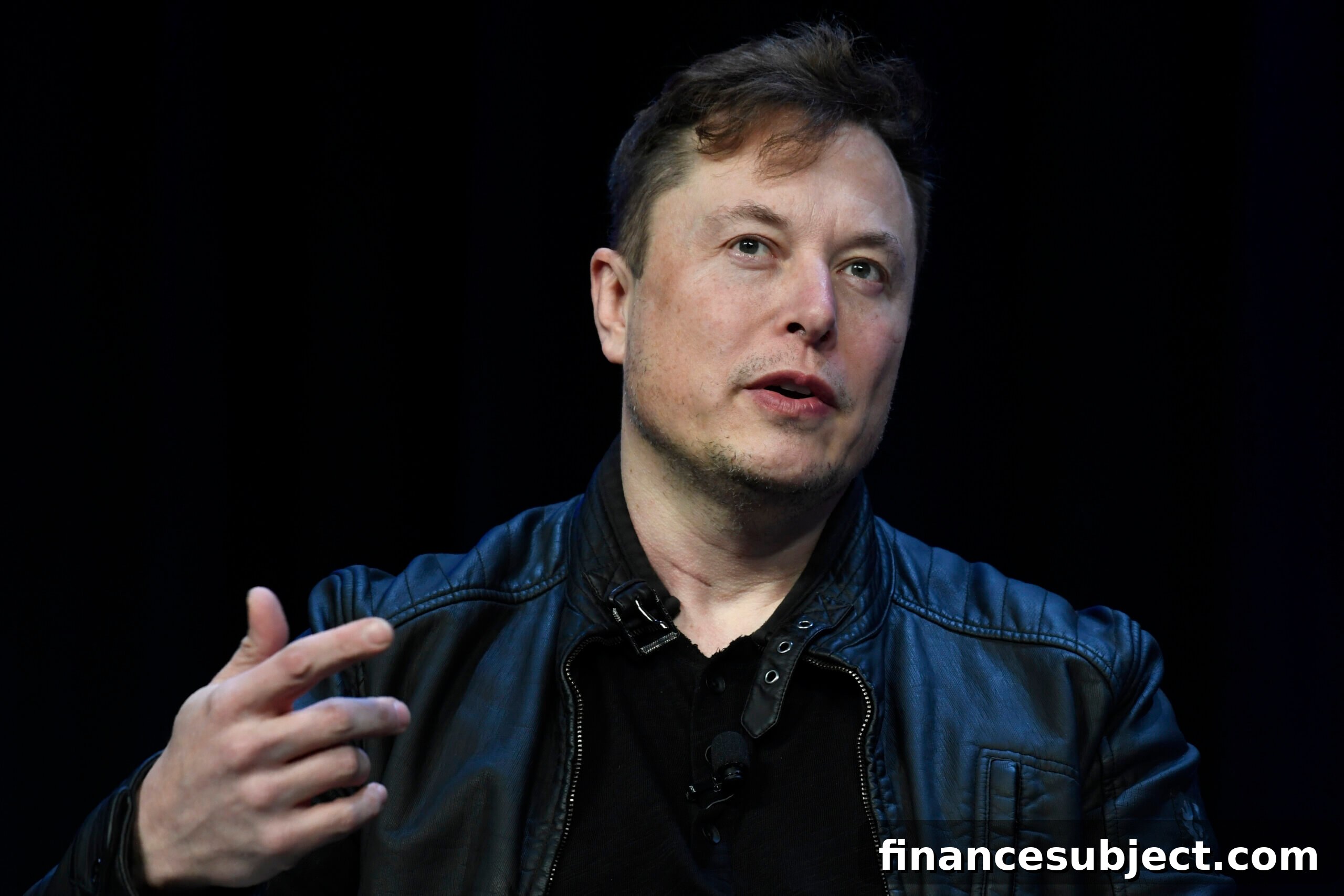
Elon Musk’s automaker is required by law to disclose annually to investors a range of risks that could harm the company. The most recent filing lists a wide variety of threats, from costly litigation and battery-fire hazards to geopolitical conflicts and the possibility of future pandemics.
Notably, the report says little about Musk’s high-profile foray into partisan politics — a development that experts say is alienating a segment of potential buyers who disagree with his views.
What experts say
“It’s marketing 101: Don’t involve yourself in politics,” said New York brand consultant Robert Passikoff. “People will stop buying your products.” For a global consumer brand, the stakes are high: when the figurehead of a company takes a polarizing public stance, brand appeal can erode quickly among customers who felt aligned with its original values.
The impact on Tesla sales
Data from research firms indicate a sharp slowdown in Tesla purchases in some key markets. In January, Tesla’s European sales reportedly fell 45% even as the broader electric-vehicle market grew. That follows reports of softening demand in California, the company’s largest U.S. market, and marked the first annual decline in global deliveries for the company last year.
Some customers are reacting directly. Model 3 owner John Parnell, a Democrat from Ross, California, said he no longer wants to drive his car and is cancelling his Cybertruck order, forfeiting a $100 deposit. “He’s destroying the brand with his politics,” Parnell said.
Industry analysts’ perspective
Automotive analysts warn that multiple factors are influencing Tesla’s current performance, making it difficult to attribute declines solely to Mr. Musk’s political activity. The Model Y, Tesla’s best-selling vehicle, is scheduled to receive a refreshed version this year, and prospective buyers may be deferring purchases until that new model arrives. At the same time, established European and Chinese manufacturers are increasingly offering EVs with competitive range and reliability.
But several analysts add that this competitive shift makes controversial public statements from company leadership riskier. “Musk thinks he can say anything he wants to and doesn’t think Tesla will suffer any consequences,” said Morningstar analyst Seth Goldstein. “Tesla was in the sweet spot. Now it has competition.”
January sales in Germany and France fell particularly sharply—each down roughly 60%—outpacing the regional average. France saw an additional 26% drop in February. More concerning to analysts was the fall in sales for the Model 3, which dropped about 33% across European markets despite there being no immediate product refresh to justify buyer hesitation.
“Part of the population is not happy with his views, his political activism,” said Jato senior analyst Felipe Munoz, who earlier had been skeptical of boycott threats but now acknowledges that broader political backlash may be affecting demand.
Historically, many Tesla buyers were prosperous, environmentally focused consumers who identified with the company’s climate-friendly mission. Those customers often leaned liberal and were receptive to Musk’s early messaging about reducing reliance on fossil fuels. Now, some of those buyers say they feel alienated.
“I used to be adored by the left,” Musk said in an interview in February as the company’s share price experienced significant volatility. “Less so these days.”
Musk doubles down
Musk’s public endorsements and political spending have intensified scrutiny. His decision to support a prominent political campaign and subsequently accept a role advising on government efficiency has amplified the spotlight on his political views and actions. He has also made provocative public comments about leaders and countries abroad, which have drawn criticism and sparked protests.
The backlash has been visible: showroom protests, reports of vandalism, and critical messages affixed to vehicles. Demonstrations and symbolic acts of opposition have taken place in several European cities, reflecting wider public anger in some quarters.
How customers are reacting
Responses from Tesla owners vary. Some, like Jens Fischer, a microscope salesman in Witten, Germany, say they would not buy another Tesla and have added critical stickers to their cars. “I’d sell if I got a good offer,” Fischer said, calling Musk’s conduct destabilizing to democratic norms.
Other customers remain loyal. Londoner Harry Chathli said he has no plans to part with his Tesla S and praised Musk as a visionary who helped change how people think about mobility and environmental challenges.
Investors and market-watchers note the tension between product quality and public perception. “People want to buy things that make them feel good; you don’t want politics involved,” said investor Ross Gerber, who described Tesla as combining an excellent product with what he called poor marketing decisions. High-profile controversies, he argues, risk undermining the emotional appeal that has helped drive brand loyalty.
Boycotts can lose momentum, and purchasing a car is a major financial choice that many consumers weigh carefully. Still, recent sales trends and regional declines suggest growing headwinds for Tesla in some markets. The company’s stock has also experienced meaningful losses during periods of intense political controversy, a reflection of investor concerns about long-term demand and brand strength.
Further reading
- Analysis of how public leadership and political statements can affect consumer brands and purchase behavior
- Overview of changing competition in the electric-vehicle market and how new models from rivals are narrowing Tesla’s advantages
- Discussion of brand loyalty factors for environmentally focused consumers and the potential impacts of political alignment