
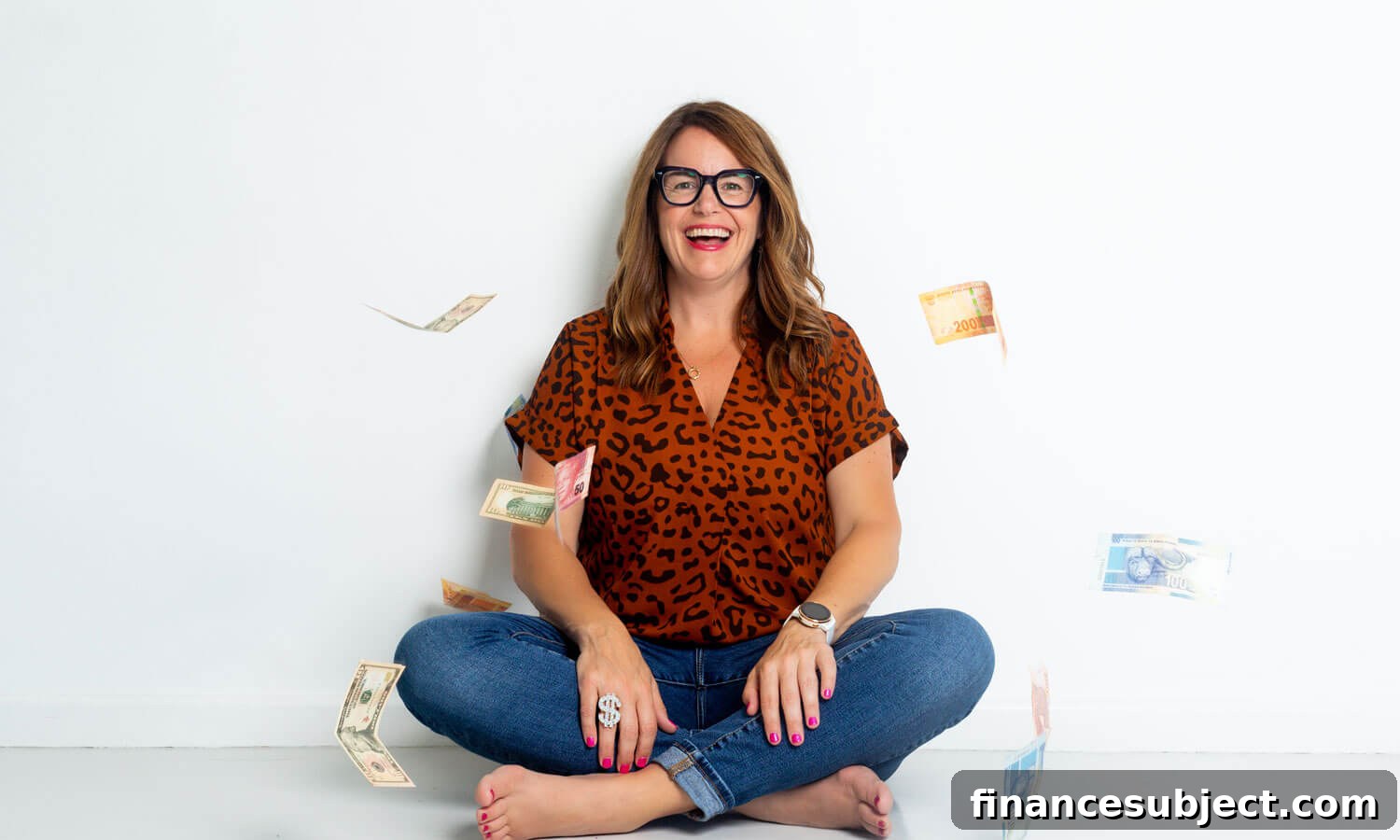
Math is taught in school, but personal finance rarely is. Michelle Robertson, founder of Ms. Money and Math, combined her strong accounting background with a personal journey from living paycheque to paycheque to achieving financial independence. A Canadian Chartered Professional Accountant, Robertson has worked at PwC, the Globe and Mail and for the Pan Am Games. After confronting her own debt, she paid it off quickly and built an investment portfolio that reached seven figures. Today she works as a Qualified Associate Financial Planner (QAFP after CPA), a mindful money coach and keynote speaker. She teaches women how to take control of their finances while living as a digital nomad and investing in real estate.
Tools
Find a qualified financial advisor near you
Search our directory of credentialled advisors providing financial and investment services across Canada.
Who are your money heroes?
I don’t follow celebrity investors. Instead, I admire friends and peers who quietly built eight-figure real estate portfolios and used that success to gain freedom from full-time work. Those practical, disciplined journeys are my inspiration.
How do you like to spend your free time?
I relax at my cottage by the lake, ride my bike, catch sunsets and hike with my dog. Nature and simple routines help me recharge and keep perspective on what’s important.
If money were no object, what would you be doing right now?
I’d be doing essentially the same work I do today, but with more stability and travel. I’d own my home outright, fully renovate my cottage and travel more often—ideally spending a few months in South Africa in the winter, with my dog flying in the cabin with me.
What was your first memory about money?
Getting an allowance for household chores. It taught me early that money comes from work and that effort has a reward.
What’s the first thing you remember buying with your own money?
Candy — a small, memorable purchase that marked the beginning of managing my own spending.
What was your first job?
I started babysitting and later worked at a library. I was notoriously chatty even behind the quiet stacks.
What was the biggest money lesson you learned as an adult?
Begin investing early and avoid carrying credit-card debt. Time in the market compounds; high-interest consumer debt destroys wealth-building power.
What’s the best money advice you’ve ever received?
Spend less than you earn, prioritize consistent investing and plan for retirement early. Those three habits make long-term financial security far more achievable.
What’s the worst money advice you’ve ever received?
Being steered to buy mutual funds through a sales-focused advisor without understanding fees, performance and alignment with my goals. Always question cost and suitability.
Would you rather receive a large sum of money all at once or a smaller amount regularly for life?
I’d take a lump sum. I’m confident in my ability to invest and grow a one-time payment responsibly.
What do you think is the most underrated financial advice?
Value time over timing. The single most powerful factor in building wealth is how long you stay invested. Consistent contributions over years beat trying to time one big winner.
Can you share a money regret?
I wish I had prioritized investing sooner and held onto a Toronto condo I sold. At the time, I used roughly $100,000 of equity for renovations, but in retrospect keeping the rental and letting its value grow would have been a wiser, longer-term choice. Investing is a marathon, not a sprint.
What does the word “value” mean to you? What don’t you mind splurging on?
Value means spending on what truly improves your life. I’ll splurge on comfort and practicality—business-class travel on long-haul flights is an example where the cost is worth the benefit for me.
What’s the first major purchase you made as an adult?
Either a car or a condo. I tend to make decisions quickly once I’ve researched and feel confident.
What’s your take on debt?
Debt can be a useful tool—good debt used as leverage for investments or property—but avoid bad debt that carries high interest and no lasting value. Understand the difference and make strategic choices.
What was your most recent splurge?
I hired a stylist to refresh my wardrobe ahead of a speaking engagement. Investing in my presentation felt worth it for professional growth.
What is the last money-related book you read?
Quit Like a Millionaire: No Gimmicks, Luck, or Trust Fund Required by Kristy Shen and Bryce Leung. I read it like a novel in a few days. It offers practical guidance on building a portfolio and planning for financial independence, and it resonated even for people not pursuing early retirement.
What is something you always have in your wallet?
A small crystal I keep for a personal reminder of abundance and intention.
What’s your next money goal?
To purchase a home I can live in and rent out a portion of, combining lifestyle with income-producing real estate.
What is your favourite possession?
My cottage. It’s a place that represents rest, family and long-term value beyond dollars.
Newsletter
Get free MoneySense financial tips, news & advice in your inbox.
Quick questions
Rent or own?
It depends on the situation. I prefer owning because I enjoy designing and improving spaces, but renting can make sense for flexibility or financial reasons.
Buy or lease?
Buy—ownership aligns better with my long-term goals.
Save or invest?
Invest—after building an emergency fund, investing accelerates wealth creation through time and compound returns.
Budget or not?
Budget. A clear budget creates freedom by aligning spending with priorities and ensuring consistent saving and investing.
Read more My MoneySense profiles:
- Taking risks and trusting your gut: Julie Barlow’s self-employment tips
- Money tips from Jordan Heath-Rawlings: “Make sure you can afford a sudden expense”
- Tareq Hadhad unpacks his investing journey and how Peace By Chocolate came to be
- Saving on purchases and for emergency funds, Canada’s extreme couponer shares her secrets