
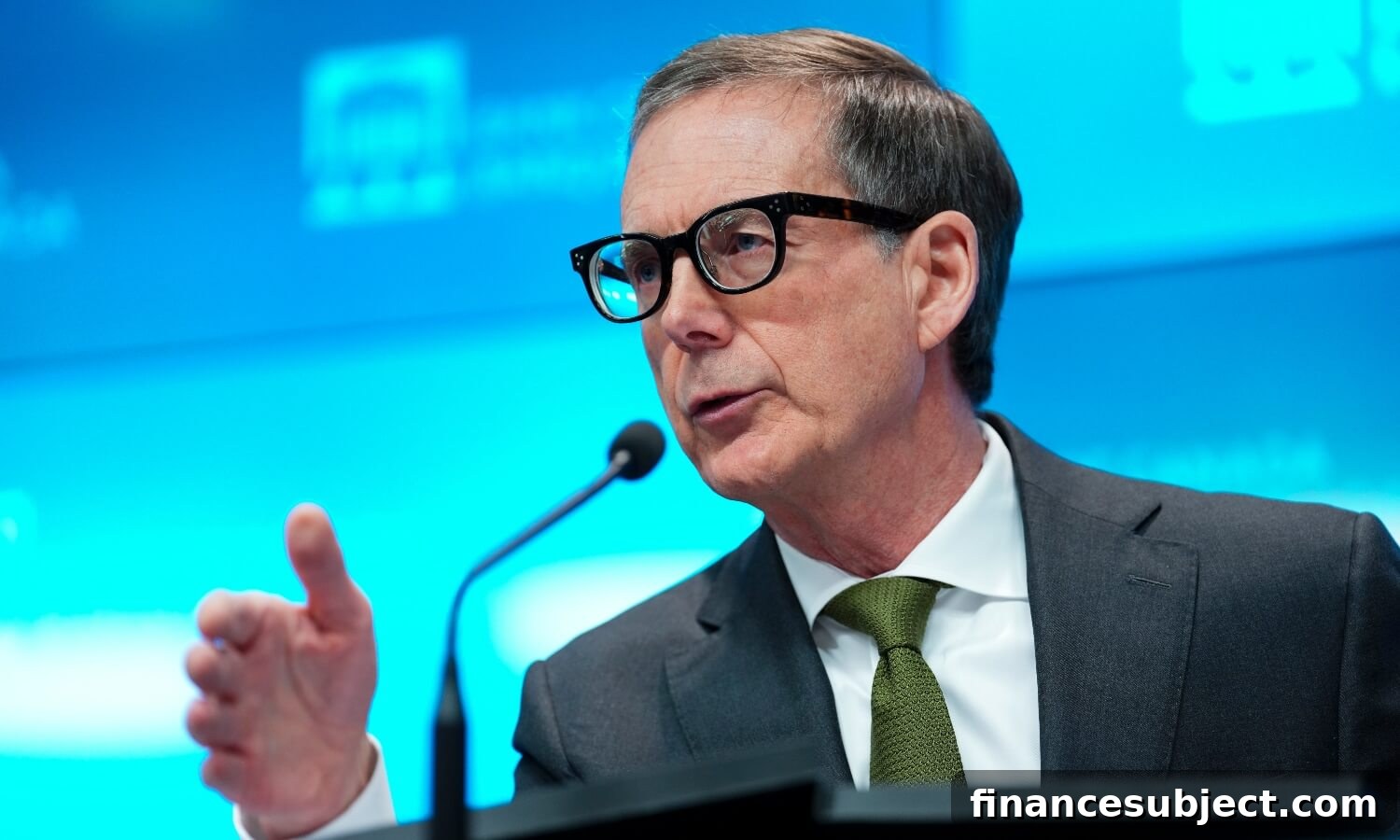
The Bank of Canada held its policy rate steady at 5% and dismissed questions about imminent rate cuts, saying inflation remains too high to justify lowering borrowing costs. Governor Tiff Macklem, speaking at a news conference after the rate announcement, acknowledged that inflation has eased and economic activity is softening, but said core price pressures remain persistent.
“Inflation is still near three per cent and underlying inflationary pressures remain elevated,” Macklem said. “Given that, governing council’s assessment is that we need to give higher rates more time to work.” He added that while the Bank has made significant progress in the fight against high inflation, it would be premature to loosen a restrictive policy that has helped bring inflation down.
Reporters pressed the governor on when the Bank might pivot toward cuts. Macklem declined to offer forward guidance, noting he would not provide specific signals about the timing of rate reductions. Asked how quickly rates would fall once cuts begin, he said it is reasonable to expect a more gradual pace of easing than the rapid tightening that occurred previously: “I think it’s very safe to say we’re not going to be lowering rates at the pace we raised them.”
Answer a few quick questions to get a personalized rate quote*
I’m renewing/refinancing
You will be leaving MoneySense. Just close the tab to return.
Where is Canada’s rate of inflation headed?
Wednesday’s decision to hold rates was broadly expected, but most economists still anticipate that the first interest-rate cut will come in June. Their forecasts rest on the view that the Canadian economy will soften further under the weight of the current, historically high borrowing costs.
Statistics Canada reported that the economy grew at an annualized pace of 1% in the fourth quarter, but that modest gain was driven largely by a surge in exports. On a per-capita basis, both real gross domestic product and consumer spending fell during the last three months of the year, suggesting domestic demand remains weak.
Dawn Desjardins, chief economist at Deloitte Canada, said the Bank of Canada is waiting for clearer progress on inflation before it cuts rates. “The economy is moving roughly in the direction the Bank expected, but inflation is not quite where they would like it to be,” she said.
Policy tightening has helped slow price growth by tempering spending. Canada’s headline inflation rate eased to 2.9% in January, which is back within the Bank of Canada’s 1%–3% target range. That is an important milestone, but the Bank emphasizes it is interested in sustained progress across a range of measures—especially its preferred core inflation indicators.
Housing costs remain a major obstacle. Shelter prices were 6.2% higher in January than a year earlier, and that rapid rise is a significant factor holding overall inflation above the Bank’s comfort zone. Macklem acknowledged shelter inflation’s outsized impact but stressed it is not the only issue: “Our target is for total CPI inflation,” he said.
Core measures that strip out volatile components of CPI are still running between about 3% and 3.5%, and nearly half of CPI components are rising at rates above 3%. In more normal inflationary environments, only roughly a quarter of components would increase that quickly. Those broad-based pressures are why the Bank remains cautious about easing policy too soon.
“We don’t want to keep monetary policy this restrictive for longer than necessary,” Macklem said, “but nor do we want to jeopardize the progress we’ve made in bringing inflation down.” The Bank’s stance reflects a careful balance: avoid cutting prematurely and risking a reversal of gains, while also seeking to loosen policy as soon as durable improvement is evident.
What economists think of the BoC’s decision
Most economists agreed the decision to pause was sensible given the current data. James Orlando, TD’s director of economics, noted that because core inflation remains around the mid-3% range, the Bank has room to wait. With the economy still producing small, positive growth at the end of 2023, Ottawa’s central bank faces little pressure to act immediately and can afford to monitor upcoming inflation reports before moving.
That cautious approach means financial markets and consumers should expect a gradual path toward lower rates once the Bank is confident that inflation is sustainably on track to its 2% target. For now, the central message from the Bank of Canada is patience: higher rates will remain in place until a clearer pattern of disinflation emerges across a broad set of measures.
Newsletter
Get free MoneySense financial tips, news & advice in your inbox.
Read more about the economy:
- How the Bank of Canada’s benchmark rate impacts your finances
- Fixed or variable mortgage rate: Which should you choose in 2024?
- Is Canada in a recession?—and other questions about the economy, answered
- From groceries to flights to data plans: Why is Canada so expensive?