
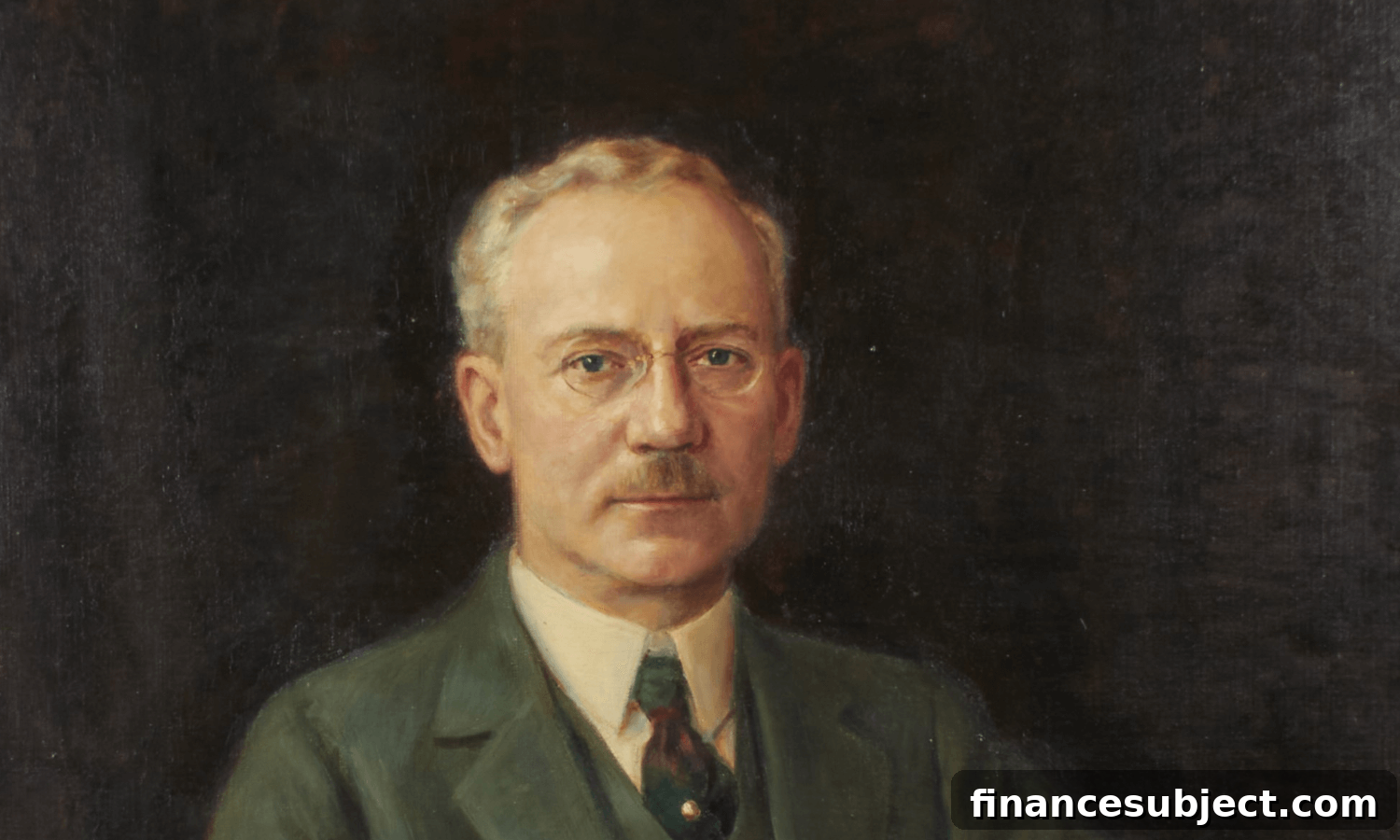
Growing up in Guelph, Ontario, in the 1870s, Arthur Cutten had a knack for numbers and a competitive streak that showed even in childhood games of marbles. That same drive pushed him, at age nineteen, to leave home for Chicago with just $90 and a determination to forge his own path after his banker father’s legal troubles cast a shadow over the family.
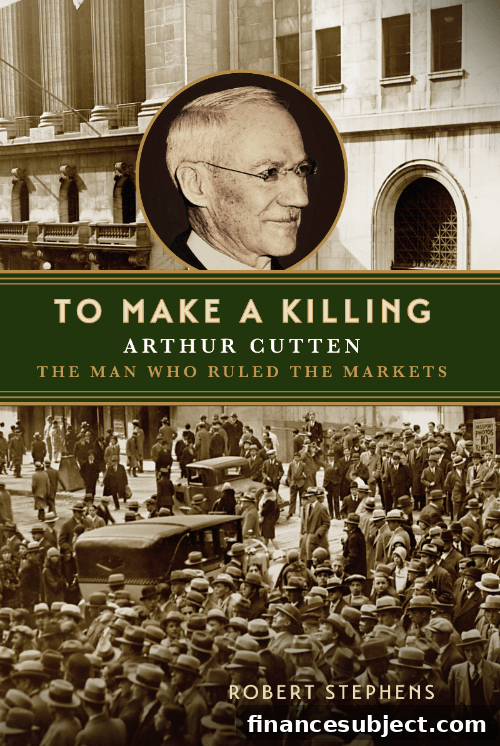
In Chicago, Cutten went on to become one of the most influential commodities and stock speculators of his era—first admired for his trading skill and later embroiled in controversy. Robert Stephens’ biography To Make a Killing: Arthur Cutten, the Man Who Ruled the Markets traces his rise from the chaotic grain pits of the Chicago Board of Trade to a life of extraordinary wealth and notoriety, a story that ultimately reads like true-crime drama with hints of murder, mob ties and even whispered legends of hidden treasure. —MoneySense Editors
The Apprentice
When Cutten first arrived in Chicago he rented a room near Dearborn and Ontario for $6 a week and took on a string of low-paying jobs. He worked in a hardware store on Lake Street, then as a stock boy at Marshall Field’s Wholesale, later as a salesman at Atwood’s Haberdashery, and finally as a clerk at the Charles H. Besley Company. The long hours left him exhausted, with little time for anything beyond weekend baseball games on Saturday afternoons.
Playing for an amateur team called the Hyde Parks, Cutten watched local leagues change as clubs began hiring professionals. The experience reinforced a conclusion he later described plainly: acquiring capital, not luck, would determine a man’s ability to move beyond obscurity.
In July 1891 Cutten landed a position that altered his course. He joined A. Stamford White & Co., a brokerage dealing in stocks, bonds and commodities and also in meat exports to Europe. Hired as a bookkeeper and clerk, Cutten’s duties included visiting the Chicago Board of Trade each morning to record opening prices. The exchange floor stunned him: men shouting orders, signaling with their hands, making enormous deals without pen and paper, fortunes won and lost in an instant. He later wrote that nothing—not even baseball—had stirred his emotions so strongly.
He began spending time in the Pigeon Roost above the pits to study traders in action. There he observed the giants of the market—figures like Jim Patten, the Cudahy brothers, William Bartlett and Frank Frazier—plotting moves that could shift prices by millions of pounds of provisions. Cutten also noticed the retired legend Benjamin P. Hutchinson, who’d once engineered a famous wheat corner and made a fortune. Hutchinson’s presence and the tales of his rise from manufacturing to banking fascinated Cutten and reinforced the possibilities the exchange offered.
With his new job Cutten could afford slightly better lodgings near Congress Street and Michigan Avenue, sharing a room in a house that even had electric light. The position gave him front-row exposure to trading and, more importantly, to the mindset of successful speculators.
One of Cutten’s early lessons was that the loudest, most aggressive voices on the floor were not necessarily the most effective traders. Secrecy, discipline and careful study mattered more than bluster. The most successful operators paid attention to weather patterns, crop pests, global supply and demand and other fundamentals. They cut their losses quickly and let winning positions grow. Observing these veterans taught Cutten to value information over gossip and to trade with calm conviction rather than emotional reaction.
He learned that markets were driven by fear and greed—irrational surges fueled by dreams of quick riches and sudden panics that plunged prices. Both extremes, he observed, created opportunity for those who could control their emotions and act decisively. For Cutten, the great traders became models to emulate: outmaneuver opponents, survive by your wits, and treat the market as a score to be won rather than a place for sympathy.
After five years of persistent study and work, Cutten convinced his employer that he was ready to trade full-time. On November 11, 1896, at age twenty-six, he became a member of the Chicago Board of Trade. A. Stamford White loaned him $800 to cover the membership fee. His salary as a brokerage representative was $150 a month, and the firm allowed him to scalp—making rapid, small trades—to supplement his income.
Standing before the towering Board of Trade building for the first time, Cutten remembered feeling both awe and determination. Inside the vaulted great hall he received his opening order and stepped onto the exchange floor for the first time as a member. In the corn pit he executed his first large trade—one hundred September corn contracts—and felt the exhilaration of belonging. He later called that initiation into the pits a kind of knighthood and credited the exchange as the place where he learned how money was truly made.
Cutten mastered margin trading and quick shifts between long and short positions, becoming adept at making many small trades each day. While scalping paid well, he realized early on that it would not make him truly wealthy—short-term gains didn’t capture the big market swings he wanted to exploit. He aimed higher: to build an operation that could “make a killing.”
This article is excerpted from To Make a Killing: Arthur Cutten, the Man Who Ruled the Markets (McGill–Queen’s University Press, February 2024) with permission from the publisher.
Read more about investing:
- The best dividend stocks in Canada
- Best online brokers in Canada
- What should Canadian investors do: Sell or hold with preferred share losses?
- What Canadian investors can do in times of world crisis and war
- Are Vanguard Canada ETFs and other funds always a good investment?