

A positive change from the pandemic is the rise of flexible work arrangements, which has led many Canadians to try “workations” or to live abroad for weeks or months while continuing to work. When planned thoughtfully, working remotely from another country can be an affordable way to travel and experience new cultures without taking extended unpaid leave.
If the idea of taking your job on the road appeals to you, here is a practical guide with financial and lifestyle tips from people who have embraced the digital nomad lifestyle since it first became possible.
Living the digital nomad life: Can you take your job on the road?
Nora Dunn is a long-time long-term traveler and content creator who once worked as a financial planner in Toronto. In 2006 she sold most of her belongings, closed her practice and set off to travel full-time—driven by a desire not to wait until retirement to explore the world. At that time, the phrase “digital nomad” was not yet common and resources for long-term travellers were limited.
Since the pandemic, remote work has shifted from home-based arrangements to work-from-anywhere. Some Canadian employers now encourage employees to travel while working: for example, a few firms provide travel stipends or “work away” benefits. Governments and immigration authorities have also responded—several countries now offer dedicated digital nomad visas or temporary remote-worker permits that allow longer stays than standard tourist visas.
Not every nomad sells everything and quits their job. Many people now alternate between a fixed home base and extended stays abroad or simply join meetings from different provinces or countries. If you can work remotely, you may be able to arrange longer stays that let you immerse yourself in a destination while maintaining income and career continuity.
How many digital nomads are there?
Exact numbers are hard to establish, but some studies estimate millions of remote workers identify as digital nomads worldwide, with rapid growth since 2019. Canadians represent a significant portion of that community and many are choosing to split their time between a home base and extended stays abroad.
For those who already travel for work, living in a place for four weeks to three months can reduce costs: long-term rental discounts, grocery shopping and cooking, and visiting destinations in low season all make a big difference. Choosing less-touristed towns and staying outside peak periods helps stretch a budget further while offering a more authentic experience.
Popular destinations for digital nomads include Southeast Asia, parts of Latin America, and several European countries, where lower costs of living and reliable infrastructure allow remote workers to live comfortably on incomes that would be modest in Canada. The digital nomad community is diverse—ranging from freelance writers and marketers to software developers, online teachers and consultants—all finding ways to work while they travel.
Pros and cons of the digital nomad life
While social media often romanticizes working from a beach, the reality of digital nomadism combines real advantages with practical challenges. Below are some common benefits and drawbacks.
Pros:
- See the world: The freedom to travel and explore new places is a major draw. Spending extended time in a place allows deeper cultural immersion than short vacations.
- Potential savings: Earning in a higher-income currency while living in a lower-cost country can increase savings—if you plan carefully and avoid expensive hotels and frequent dining out.
- New social circles: Nomads often meet people they would never encounter at home, building friendships and professional connections around the world.
- Expanded experiences: Regular exposure to new environments and routines can make time feel more abundant and memorable.
Cons:
- Culture and language barriers: Adjusting to local custom, services and communication styles while still working can be challenging.
- Daily logistics: Everyday tasks—finding groceries, doing laundry, arranging local services—take more time and energy when you are new to a place.
- Possible isolation: Making local friends can be difficult, and nomad communities can be transient if people move on frequently.
- Time-zone challenges: Working across time zones often means early or late meetings, which requires schedule flexibility and careful planning.
Is the digital nomad life right for you?
Before you pack a bag and book a one-way ticket, consider these important questions to determine whether remote work abroad suits you and your job.
Is working remotely in another country feasible?
Confirm whether your role can be performed remotely and whether your employer approves of working from another country. Your physical presence abroad can have tax and corporate implications, including potential corporate tax liability for your employer or personal income tax consequences depending on length of stay and local rules.
Are your family and friends supportive?
Think about how time away will affect relationships. If you have a partner or children, consider how schooling and family needs fit into extended travel plans. Loneliness and fatigue from constant travel are common, so plan for social supports and regular contact with loved ones.
How flexible are you?
Travel rarely goes perfectly. When work obligations are added to travel logistics, small setbacks can become stressful. An emergency fund and appropriate insurance are wise precautions no matter where you spend your time.
Where should you go?
Evaluate destinations for affordability, safety, time-zone compatibility, internet reliability and the presence of co-working spaces or established digital nomad communities. These factors can help reduce culture shock and make the transition smoother.
Digital nomad requirements: What do you need before you go? How much will it cost?
Even if living costs are lower abroad, there are upfront and ongoing expenses to plan for. Typical items to budget for include:
- Passport renewal or application fees: Varies by country.
- Visas or permits: Costs vary widely and some digital nomad visas include minimum income requirements.
- Travel insurance: Long-term coverage is recommended and can be a significant expense for extended stays.
- VPN and secure connectivity: Small monthly fees help protect your data on public networks.
- Local phone and data: Budget for a local SIM or data plan for reliable internet and calls.
- Banking and transaction costs: ATM and foreign transaction fees can add up unless you use cards with no foreign transaction fees.
- Housing: Long-term rentals often have discounts; short-term stays like Airbnb can be more costly but offer flexibility.
- Flights and travel costs: Factor in travel between home and abroad and any seasonal price variations.
- Taxes: Understand tax treaties and residency rules to know whether you will owe taxes in Canada or the country you are visiting.
Is working abroad a good idea?
Designing a workation or a nomadic lifestyle takes planning and realistic expectations, but it can be a highly rewarding way to live and work. You don’t have to commit fully at first: try a short test trip of a few weeks or a few months to see what suits you and to learn how to balance travel with work.
Many experienced nomads advise easing in, learning practical routines, and adjusting the lifestyle over time. That approach helps you discover what you value most about working abroad and what kind of travel rhythm fits your personal and professional life.
Digital nomad resources
Websites
- The Professional Hobo: A blog focused on long-term travel and financially sustainable ways to travel for extended periods.
- Legal Nomads: A travel site with a dedicated section on digital-nomad life and practical advice for long-term travellers.
- Nomad List: A resource that ranks cities for digital nomads based on affordability, safety and internet quality.
Facebook groups
- Digital Nomads Forum: A community for aspiring and experienced digital nomads to share advice and opportunities.
- Female Digital Nomads: A supportive space for women-identifying and non-binary digital nomads to connect and exchange tips.
- Nomad Soulmates: A group for nomads seeking friendships and relationships while traveling.
Co-working and co-living programs
- Remote Year: Pre-packaged itineraries that combine accommodation, co-working and group activities for remote workers.
- Sojrn: Themed group trips that blend remote work with cultural learning experiences.
- Hacker Paradise: Organized group trips that include accommodations and co-working options for remote professionals.
- Sun and Co.: A European co-working and co-living space designed to support long-term remote work stays.
- Work from Poros: Off-season workaway programs suited to solo nomads and remote teams seeking a quieter environment.
Out of office: 3 digital nomads
Here are profiles of three Canadian digital nomads who combine work with extended travel across Canada and around the world.

Digital nomad: Jenn Averink, 52
Job/career: Senior agent and client experience manager at Zolo Canada; Airbnb host and pet sitter
Where I’ve nomaded: House- and pet-sitting across Ontario and the United States, often moving to a new home every week.
Typical day/week: Jenn starts each morning with coffee brewed in her travel Aeropress, checks work tasks, and structures her day around walks and local exploration, discovering new trails and neighbourhoods between work tasks.
What I love: Jenn enjoys exploring off-the-beaten-path places, meeting locals and experiencing quieter local favourites rather than crowded tourist spots.
Biggest challenge: Managing clothes and gear for changing climates without a fixed home base.
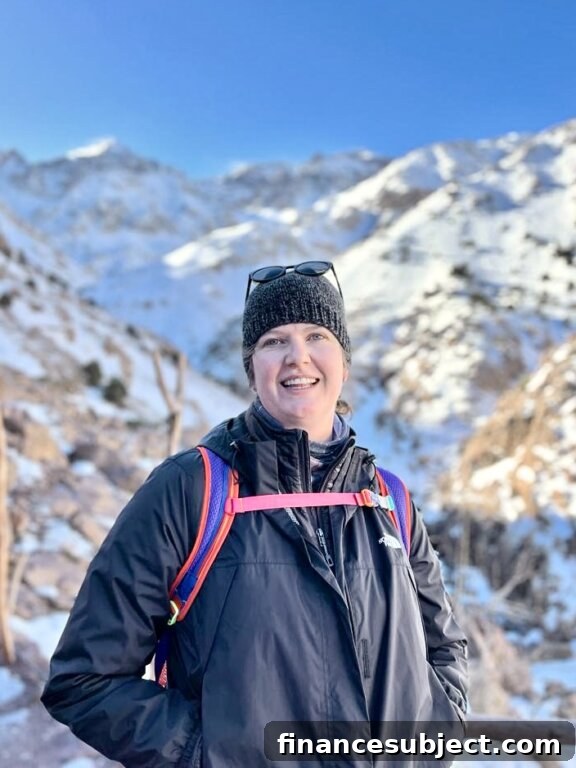
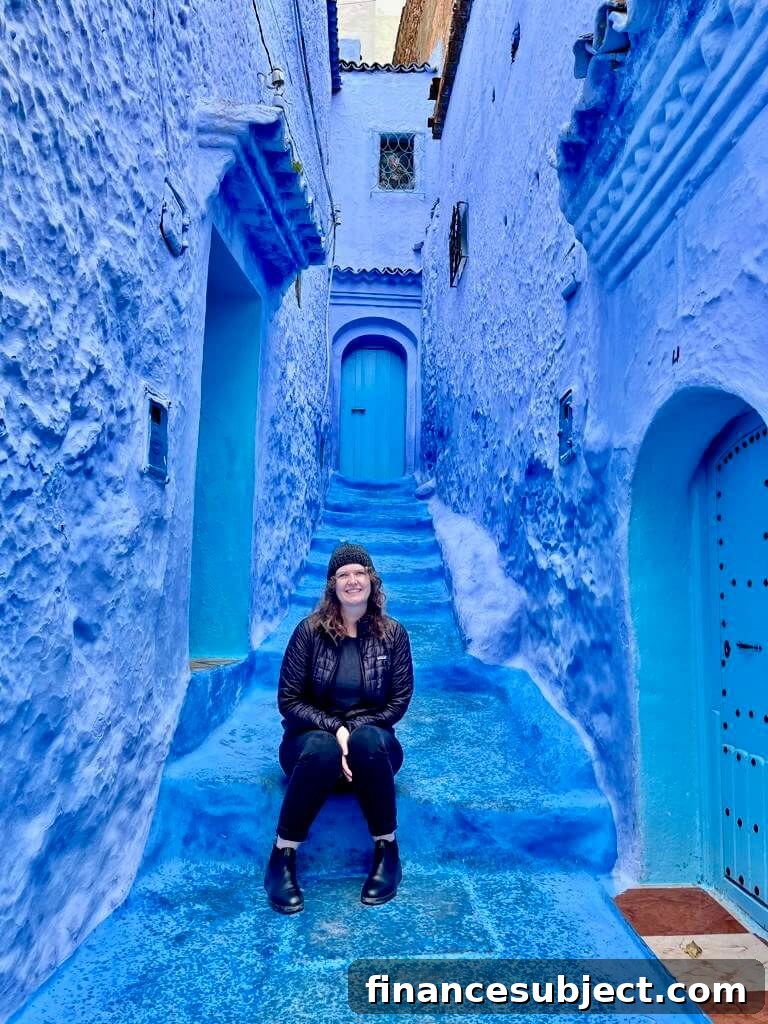
Digital nomad: Megan Bailey, 42
Job/career: Director of sales and client services for a fully remote company
Where I’ve nomaded: Poros, Greece, and various Canadian cities.
Typical day/week: Megan adapts her schedule to time-zone needs, works from co-working spaces or cafés when available, and spends evenings and weekends exploring the local area—biking and discovering neighbourhoods where she stays.
What I love: Extended stays allow Megan to become immersed in local life and gain a deeper understanding of a place, unlike a short vacation.
Biggest challenge: Constantly living out of a suitcase and adjusting to different climates.

Digital nomad: Kayla Kurin, 34
Job/career: Freelance writer; formerly a social media and content marketer
Where I’ve nomaded: Small towns in Canada and Costa Rica during the pandemic; earlier travels included Europe, New Zealand, Southeast Asia and Latin America.
Typical day/week: Kayla’s routine varies by location—sometimes she travels with friends or participates in artist residencies, other times she enjoys solitude and a flexible schedule. Community and events shape how social or solitary her days are.
What I love: The constant sense of adventure—meeting new people, tasting new foods and feeling connected to different cultures even as a visitor.
Biggest challenge: Balancing the desire for stability with the attraction of constant adventure; many nomads appreciate having a home base to recharge between trips.
Read more about travel and living abroad:
- The tax implications of working abroad for residents and non-residents of Canada
- How to take a gap year trip without breaking the bank
- Is your credit card’s travel insurance enough?
- For Canadians living abroad: is it worth investing in foreign ETFs?
- Where do we pay income tax if we retire abroad?