Canadians who watched the World Series this year likely noticed a parallel contest unfolding between innings: a marketing battle that reflects deeper shifts in the banking sector. On one side, the country’s most valuable bank ran ads featuring actor Will Arnett promoting trust and traditional relationships. On the other, challenger brands including EQ Bank and global crypto players like Coinbase ran spots urging consumers to rethink their financial relationships—one even showed a younger customer bewildered by the concept of a teller-imposed “fee.”
Those ads mirror a broader transformation in Canadian banking. The sector is experiencing generational change: smaller institutions are being acquired, technology-driven entrants are pressing the established banks, and federal policy is increasingly focused on boosting competition. The outcome remains uncertain, but momentum for change is unmistakable.
“This is dramatically different from what we’ve seen before,” said Adriana Vega, executive director of Fintechs Canada, noting that the government has moved from promises to concrete steps. She highlighted recent budget commitments and legislative action aimed at advancing open banking and increasing market contestability.
Open finance could reshape Canada’s financial landscape
At the center of the debate is open finance—often referred to as consumer-driven banking—a model that gives individuals control over their financial data so that third-party services can offer integrated tools and products. By breaking down data silos between banks, investment firms and other financial service providers, open finance can make it easier for customers to manage accounts in one place, compare alternatives, and switch services when better options appear.
Government legislation has begun to reflect this shift, expanding the scope of data-sharing beyond simple payment accounts to include investments and mortgages. “This really isn’t open banking; it’s open finance,” said Steve Boms, executive director of the Financial Data and Technology Association. “It’s not just about Canada catching up to the rest of the world, it’s now about Canada actually going farther than many other countries.”
Boms recalled early conversations around open banking in 2016 and said the current political signals feel different. With a stated aim to bolster competitiveness and economic independence, the federal push has renewed optimism among advocates that the framework will finally be implemented in a way that gives consumers more choice and control.
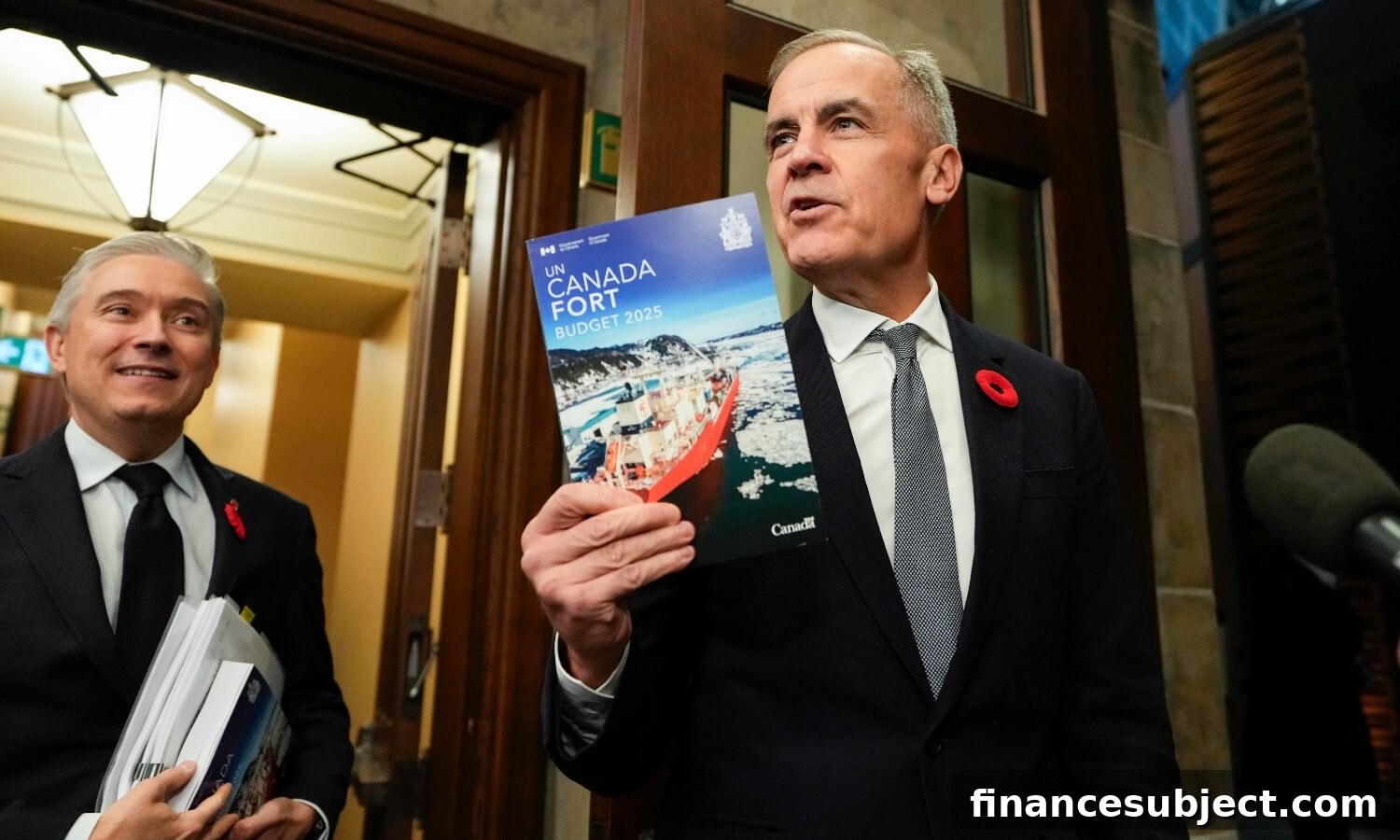
Former Bank of England governor Mark Carney is leading much of the government’s policy work on this front, and his experience with the U.K. program has been cited by analysts and advocates as a helpful reference point. Observers point out that international evidence suggests open data frameworks and fintech participation have been effective levers for increasing competition and innovation in financial services.
Consolidation shifts focus to consumer empowerment
At the same time, consolidation has reduced the number of independent players in some parts of the market. Recent deals have seen major banks absorb smaller institutions, and retail portfolios have changed hands. That trend raises questions about future choice and diversity in the sector.
But consolidation does not necessarily mean weaker competition, said Claire Celerier, Canada Research Chair in household finance at the University of Toronto’s Rotman School of Management. “There is no evidence of an ideal number of institutions to have competition … you could have a very competitive market with only four banks,” she observed. The more important determinants are how informed consumers are and how easily they can switch providers.
Officials have taken note: the federal budget included a pledge to ban fees for switching registered investment accounts—fees that currently often cost customers over a hundred dollars—and promised to work with financial institutions to simplify account transfers. The government also asked the Financial Consumer Agency of Canada to review the structure and transparency of bank fees, and to examine costs related to cross-border money transfers.
Greater transparency and simpler switching processes could amplify the competitive effects of open finance. If fees are clear and transfers between institutions become straightforward, consumers gain leverage to seek better rates, services and digital tools.
Fintechs and credit unions expand offerings
New and growing providers are already adding to consumer options. Wealthsimple has broadened its product line to include a credit card, while Questrade Financial Group has received approval to operate as a bank. EQ Bank, one of the more prominent digital-first banks, announced a strategic tie-up that brings a major retail portfolio and an institutional investor into closer alignment.
The budget also included measures intended to make it easier for credit unions to consolidate and to seek national status, potentially widening the competitive field on that side of the ledger as well. Industry groups representing credit unions say members welcome the changes and view them as an opportunity to compete more effectively across provinces.
The Canadian Bankers Association continues to argue that competition already exists in the market, but many observers believe the combination of policy reform, data sharing, and new entrants will reveal the potential for a far more dynamic system—if the rules and implementation put consumers first.
“To the extent that we can have policies that encourage more institutions to compete from coast to coast for Canadians’ business, then obviously we’ll have a more competitive sector, and better services and lower prices for consumers,” said Michael Hatch, vice-president of government relations at the Canadian Credit Union Association.

EQ Bank TFSA Savings Account — a competitively positioned online savings approach from a digital-first bank.

Term savings options and GICs remain core choices for conservative savers seeking predictable returns.

Online brokerages continue to expand self-directed and TFSA investing tools aimed at cost-conscious investors.
What happens next will depend on implementation details and how quickly banks, fintechs and regulators can operationalize data sharing and improved switching mechanisms. For consumers, the potential upside is clearer choice, better digital tools, and more transparent pricing. For incumbents, the challenge will be to adapt—either by competing through improved service and pricing, partnering with new entrants, or accelerating their own digital transformations.
Read more about banking
- Best online banks and credit unions in Canada for 2025
- Cut unnecessary costs with one simple change to your banking
- Questrade secures approval to launch Canada’s newest bank
- Complacency, competition, and Canada’s productivity crisis