

Kyle Prevost, creator of 4 Steps to a Worry-Free Retirement, Canada’s DIY retirement planning course, shares key financial headlines and explains what they mean for Canadian investors.
Lower inflation clears runway for rate cuts
Canadians facing spring and summer mortgage renewals received welcome news this week: annual inflation in Canada eased to 2.8%.
Statistics Canada cited slower increases in cell phone service fees, groceries and internet bills as primary contributors to the lower consumer price index (CPI), which came in below the 3.1% economists had expected.
The main takeaways from the latest CPI report:
- Housing costs—rent and mortgage payments—remain the largest driver of inflation. Excluding shelter, CPI is up roughly 1.3% year over year.
- Gas prices rose 4% from January to February and were a major factor in some economists’ higher inflation forecasts. If gasoline resumes its prior downward trend, it would continue to be disinflationary.
- Cell phone plans were down dramatically compared with last February, falling by about 26.5% year over year.
- Grocery inflation has climbed around 22% over the past three years, but recent data suggest it may be stabilizing. February was the first time in two years that grocery CPI was below the overall headline rate.
- Some items—restaurant meals, property taxes and electricity—remain above the 3% CPI mark and are acting as upward outliers.
- The Bank of Canada’s preferred core inflation measures are also moderating, with three-month annualized readings near 2.2%.
Market-implied measures—like interest-rate swap pricing—now suggest roughly an 80% chance that the Bank of Canada will begin cutting rates in June, up from about 50% before the CPI report. As expectations for cuts rise, the Canadian dollar tends to weaken; the CAD reached a three-month low on the day the CPI was released. That dynamic helps borrowers with Canadian mortgages but is less favorable for Canadians who rely on U.S. dollars for spending abroad.
Globally, monetary policy is not uniform. Japan this week raised interest rates for the first time in 17 years, exiting its negative-rate policy. The Eurozone also surprised to the downside on inflation, with its headline rate easing in line with Canada’s decline.
Both the U.S. Federal Reserve and the Bank of Canada have reiterated that they expect to cut rates later in the year, and mortgage pricing has been responding to those shifting expectations. Lower-for-longer rate forecasts tend to put downward pressure on longer-term borrowing costs, which matters for fixed-rate mortgages and refinancing decisions.
Soft earnings for Power Corp and Alimentation Couche-Tard
Two Canadian corporate heavyweights—Power Corporation and Alimentation Couche-Tard—reported results this week that fell short of expectations.
Canadian earnings highlights of the week
Note: Power Corporation reports in Canadian dollars; Couche-Tard reports in U.S. dollars.
- Power Corporation of Canada (POW/TSX): Reported adjusted earnings per share of about $0.89, below the $1.08 analysts had expected. The company also announced a dividend increase of roughly 7.1%, which supported the share price despite the earnings miss.
- Alimentation Couche-Tard (ATD/TSX): Reported third-quarter adjusted earnings per share of about US$0.65, below the US$0.84 consensus, and revenue of roughly US$19.6 billion versus expected US$20.9 billion. Reduced customer traffic and lower gross fuel margins in the U.S. were cited as key headwinds.
Couche-Tard’s shares fell more than 4% following the release amid concerns about traffic and fuel margins, though management emphasized that the integration of the TotalEnergies acquisition is proceeding and will expand the company’s global footprint. Power Corporation’s shares traded modestly higher after the dividend increase helped offset investor worries about the earnings shortfall.
FedEx special delivery
On the U.S. side, both FedEx and Nike reported quarterly results, but investors reacted very differently to their outlooks.
U.S. earnings highlights
Both Nike and FedEx report in U.S. dollars.
- Nike (NKE/NYSE): Reported adjusted EPS around $0.98, beating estimates, with revenue near $12.4 billion. However, management provided a more cautious outlook driven by slower growth in China, and the company announced a restructuring plan intended to reduce costs by roughly $2 billion over three years. The guidance prompted an after-hours sell-off.
- FedEx (FDX/NYSE): Reported adjusted EPS near $3.86 and revenue above $22 billion, topping expectations. The company cited margin improvements in its Express unit, including operating efficiencies such as fuller, fewer flights and reduced flight hours. FedEx also announced a $5 billion share repurchase program, and the stock jumped materially in after-hours trading.
FedEx’s results highlight how operational improvements and tighter capacity management can translate into higher margins even in a slower-demand environment. Nike’s quarter shows the sensitivity of consumer-facing brands to regional demand and the weight investors place on forward guidance.
Super Micro, Deckers Outdoor join the “500 club”
The S&P 500 is commonly described as the 500 largest U.S. companies, though membership shifts over time based on market caps and quarterly rebalancing. This month, two notable additions—Super Micro Computer Inc. and Deckers Outdoor—replaced smaller constituents.
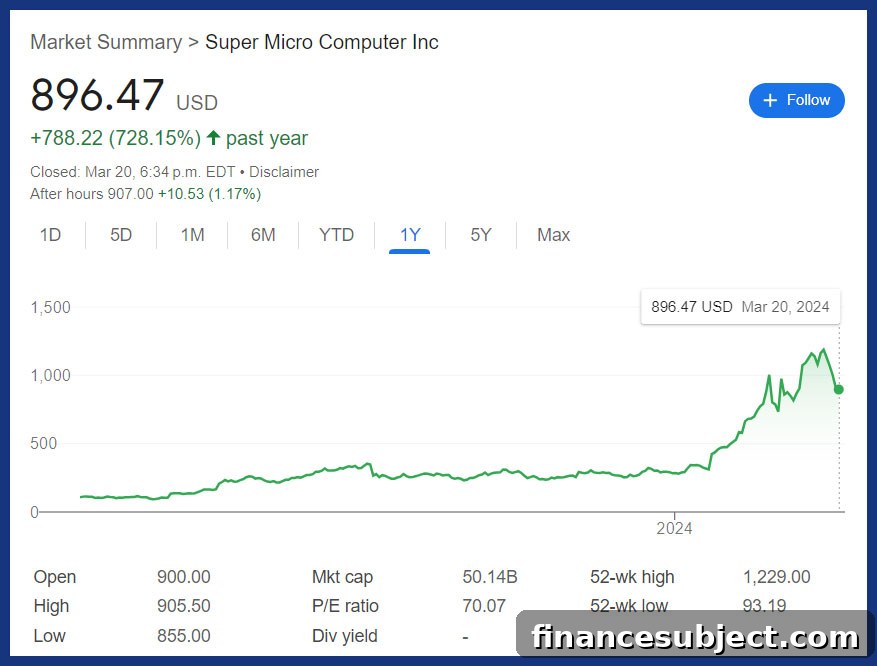
Super Micro (SMCI/Nasdaq) has surged on strength tied to the AI ecosystem, notably its relationship with major AI chip vendors. With a market capitalization above US$50 billion, it earned a spot in the index, replacing companies with much smaller market caps.
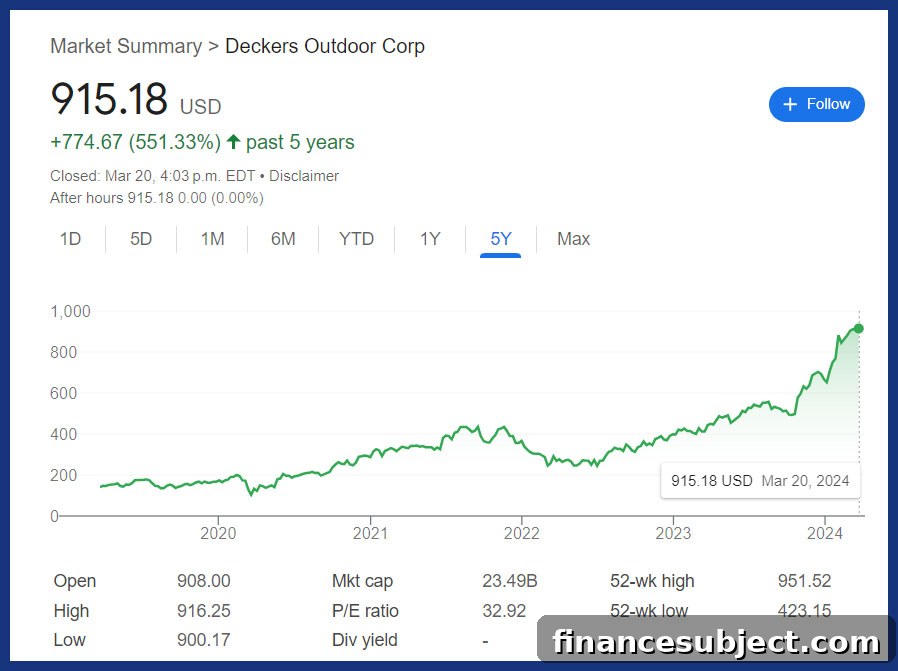
Deckers Outdoor (DECK/NYSE), the parent of Ugg and Hoka brands, also joined the S&P 500 after a strong multi-year performance and a market cap near US$23.5 billion. Both additions took effect after an announcement that triggered early trading gains for the names being included.
When companies fall out of the S&P 500—such as Whirlpool and Zions Bancorp in this round—they typically move to the S&P 400 MidCap Index or other benchmarks. Index rebalancing can create short-term trading opportunities as passive funds buying the index add the newly included stocks to their portfolios. Over the long term, the S&P 500 remains a convenient, diversified way for investors to gain exposure to many of the world’s largest, most established companies.
Reddit IPO soars out the gate
Following last week’s preview, Reddit priced its initial public offering at US$34 per share and began trading on the NYSE under the ticker RDDT. The company’s market value opened around US$6.4 billion. After an active first trading day—during which the stock traded sharply higher—Reddit closed the session up roughly 48% from the IPO price.
The debut underscores how large social-media listings can attract intense investor interest, particularly when market conditions support growth and speculative enthusiasm.
Read more about investing:
- How might inflation impact your retirement plans?
- What is a cashable GIC?
- Will GIC rates keep going up in 2024?