
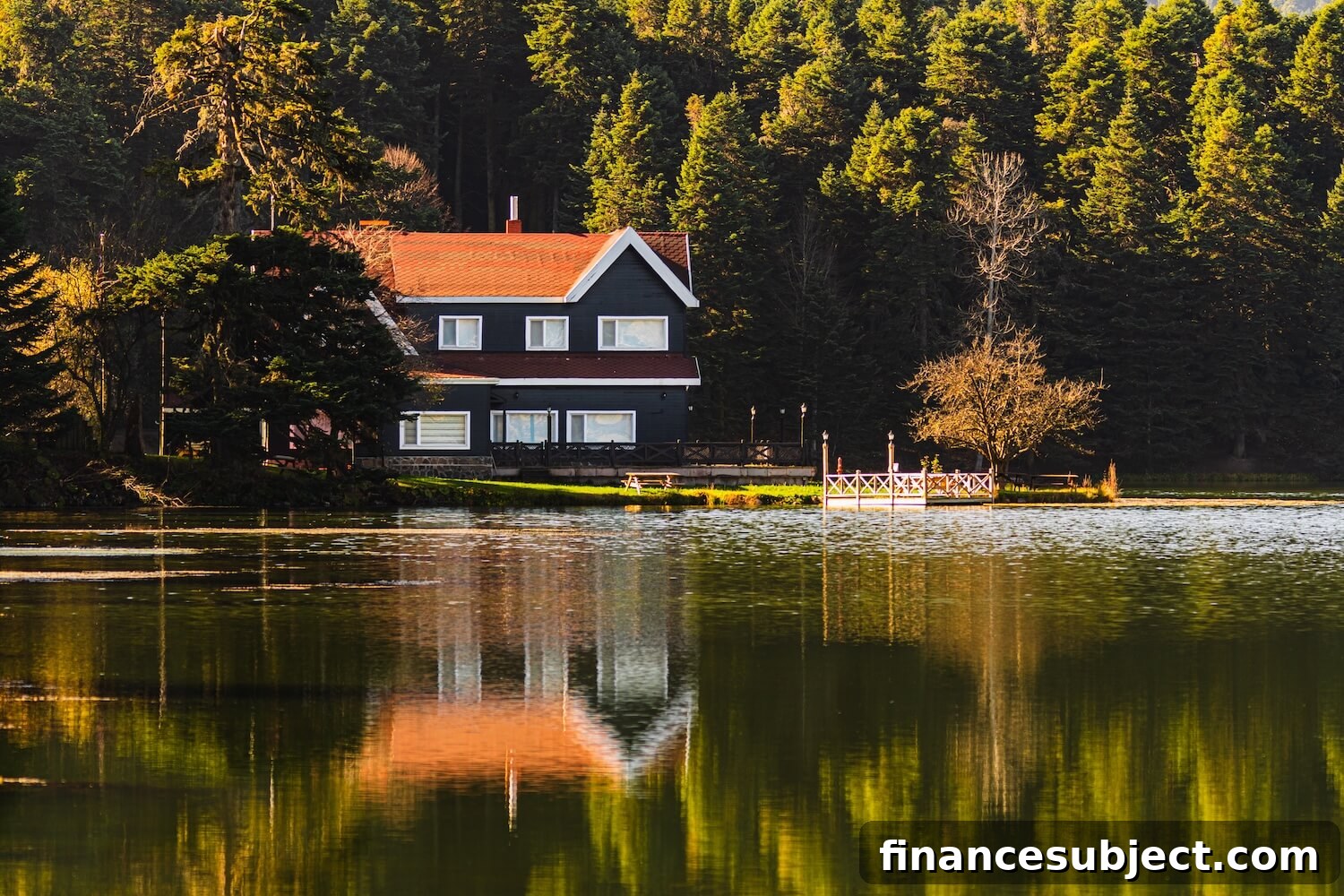
During the pandemic, Canada’s market for recreational properties surged. Median cottage prices rose by double digits in many areas as buyers rushed to escape urban life. Bidding wars became common and some purchases closed quickly, sometimes without inspections. A few years later, demand has cooled significantly and many owners who bought during the pandemic are now selling.
That shift creates challenges for sellers but opens opportunities for first-time vacation-home buyers. Cottage inventory has increased, prices are easing, and mortgage rates have started to trend downward. We spoke with realtors Megan McLeod and Rebecca Campol of Sotheby’s International Realty Canada in Port Carling, Ontario, to explain the current market and share practical tips for buying your first cottage in Canada.
Back to work—and away from the cottage
How did the market change so quickly? According to McLeod, the downturn reflects both pandemic-related shifts and broader economic and political factors. She notes buyers became cautious as stock market volatility and rising interest rates eroded confidence. After the Canadian federal election in April, more sellers listed properties and more buyers returned to the market, but that renewed activity has not fully restored peak-pandemic demand.
Many pandemic buyers expected flexible remote work arrangements and planned to spend extended periods at their cottages. As offices reopened and hybrid schedules tightened, those plans changed. Others relied on high short-term rental income that sagged back to pre-pandemic levels—some properties that once rented for as much as $10,000 a week now earn a fraction of that. Lower rental returns combined with higher upkeep costs have made ownership less appealing or affordable for some recent buyers.
Investing in recreational property
For first-time buyers, the greater selection of cottages is good news. With more inventory comes fewer bidding wars and a better chance to inspect properties and make informed decisions. “You can do your due diligence,” Campol says. “You have more time to shop around and arrange inspections.”
Whether you want a family getaway or an investment property, certain features tend to preserve or increase value. Privacy and low-maintenance construction are top priorities. McLeod emphasizes that higher construction and labour costs make durable, low-maintenance materials very attractive for resale and long-term ownership.
Water access and generous lot size usually keep a cottage in demand. Modern upgrades—such as aluminum and glass decks—can add appeal. During the pandemic, proximity to town and reliable internet and mobile reception became more important, so consider connectivity when evaluating properties. Also think about accessibility: gently sloping lots that avoid long staircases to the dock are more valuable over time as guests and family age.
Resource highlight
You’re 2 minutes away from getting the best mortgage rates.
Answer a few quick questions to get a personalized quote, whether you’re buying, renewing or refinancing.
Powered by ratehub.ca
The best bang for your buck—on any budget
True bargains are rare, but there are value opportunities if you know where to look. Prices vary widely by province and region; smaller, less well-known lakes usually cost less than highly sought-after bodies of water. In Ontario, for example, Lake Joseph, Lake Rosseau and the Muskoka Lakes remain premium markets, but nearby smaller lakes in Muskoka, Haliburton and the Kawarthas can offer the classic cottage experience at lower price points.
On the West Coast and in Atlantic Canada, oceanfront properties and island access drive prices. Reliable ferry routes and easy mainland connections add value; if you’re willing to reach a property by private boat, you may find more affordable options.
Before you start looking, consult your accountant, financial advisor or a mortgage broker to determine what you can comfortably afford. “It’s really important to shop around and not just look at your bank,” Campol advises. Mortgage brokers can present a broader range of financing options.
Buying a cottage is different from buying a primary home: it’s a discretionary purchase that must fit your overall budget. Instead of replacing a mortgage payment, you’re likely adding a second one. Even if your principal residence is mortgage-free, a second property brings ongoing costs—maintenance, insurance and taxes on both properties—as well as potential capital gains tax when you sell. Plan a financial buffer in case interest rates rise or your circumstances change, and get professional advice to map out the best approach.
Best places to buy
Where to Buy Real Estate in 2026
How to search—and negotiate—like a pro
McLeod and Campol both recommend working with an experienced, trustworthy realtor, but they also offer practical tips for independent buyers. Always consider resale factors: is the cottage on a year-round road, and is it winterized? Check water quality records with local health authorities and provincial environment agencies—frequent algae blooms or other water issues can discourage future buyers.
Be open-minded and distinguish needs from wants. Don’t focus exclusively on big-name lakes—smaller lakes can deliver the same lifestyle at a lower cost. Shopping in the off-season—fall, winter or early spring—can also reduce competition and give you more negotiating leverage.
Perfection is rare, so prioritize the most important features you can afford. When negotiating, gather information about the seller’s motivations through your realtor; not all sellers are driven purely by price. Flexibility on closing dates, for example, can be a trade that secures a lower purchase price while letting the seller enjoy one more season at the cottage.
In today’s buyer-friendly market, take your time and use the tools available to protect yourself. If your offer is declined, it’s often better to pause before returning with a counter. In the absence of multiple offers, don’t be afraid to put forward a lower offer. Include standard conditions such as financing approval, a home inspection and a water quality test. Review insurance options and all property documents carefully to complete thorough due diligence.
If you’re ready to make a move, go for it
The current market is attractive for first-time cottage buyers who are ready and financially prepared. Some buyers may wait for further price or rate declines, but markets can reverse quickly. If your finances are in order and the property meets your needs, delaying a purchase in hopes of a better deal can mean missing an opportunity. Balance patience with readiness and seek professional guidance to make the best decision for your situation.
Newsletter
Get free MoneySense financial tips, news & advice in your inbox.
Read more about real estate investing:
- Yes, a cottage is an investment property—here’s how to minimize capital gains tax
- How much income do you need to buy a home in Canada?
- What to do if your pre-construction condo has dropped in value
- The best 5-year fixed mortgage rates in Canada