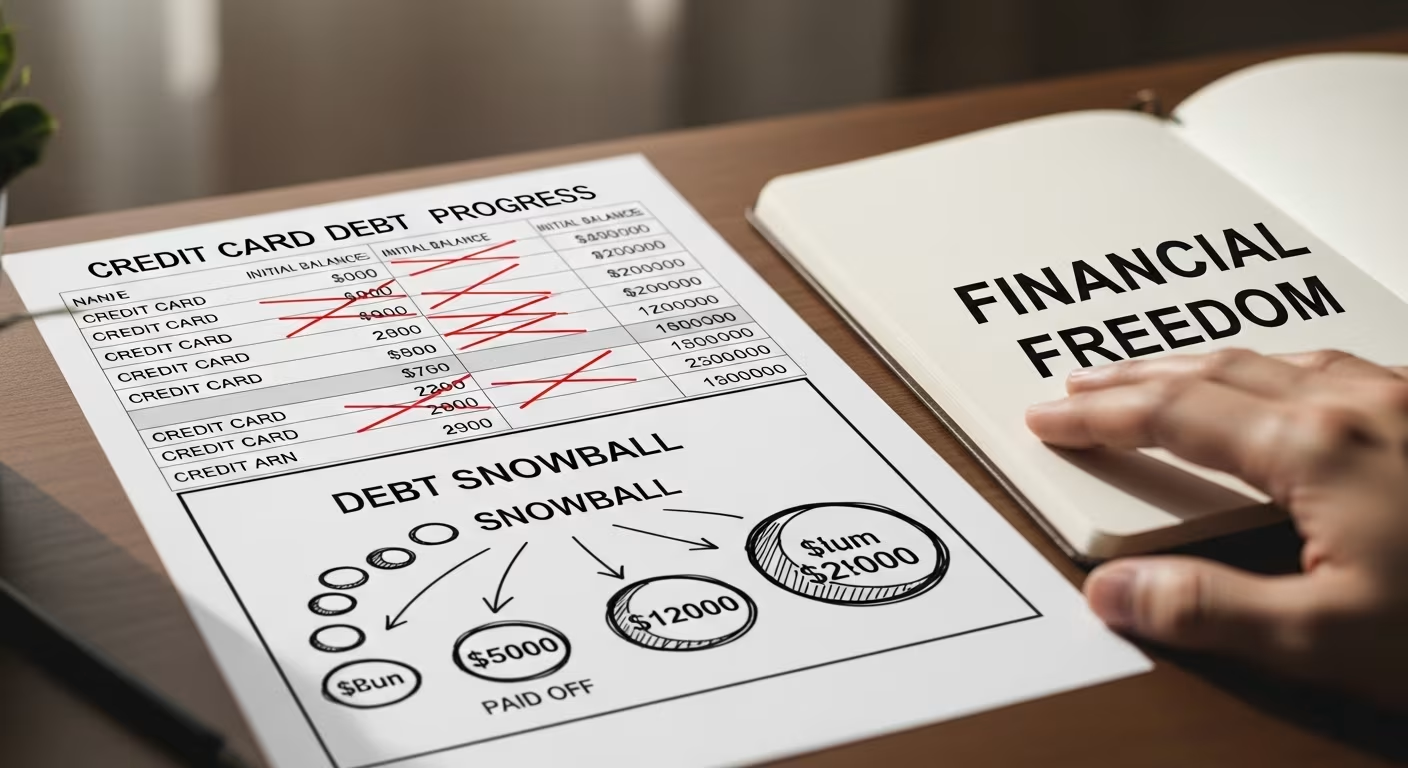
Credit card debt is a financial emergency. With average APRs around 23.77% in 2026, carrying a balance means paying interest that dwarfs any investment return you could earn. Every month you carry debt, you're losing ground financially. Here's how to eliminate credit card debt and regain control of your finances.
The Credit Card Debt Crisis in 2026
Americans carry approximately $1.17 trillion in credit card debt (Federal Reserve, 2025). The average:
- Credit card balance: $6,580 per cardholder
- APR: 23.77% (highest in recorded history)
- Minimum payment trap: Paying only minimums on $6,580 at 23.77% takes 17+ years and costs $11,400+ in interest
The True Cost of Credit Card Debt
| Balance | APR | Min Payment | Time to Pay Off | Total Interest |
|---|---|---|---|---|
| $3,000 | 23.77% | $75 | 6 years | $2,400 |
| $5,000 | 23.77% | $125 | 7 years | $5,500 |
| $10,000 | 23.77% | $250 | 8 years | $12,800 |
| $20,000 | 23.77% | $500 | 8+ years | $27,000+ |
| $30,000 | 23.77% | $750 | 9+ years | $43,000+ |
A $5,000 balance effectively costs $10,500 if you only pay minimums. You are paying double for everything you bought on credit.
0% Balance Transfer: The Secret Weapon
The fastest way to escape high-interest debt is a 0% APR balance transfer card:
| Card | 0% Period | Transfer Fee | Regular APR |
|---|---|---|---|
| Citi Simplicity | 21 months | 3-5% | 19-30% |
| Wells Fargo Reflect | 21 months | 3-5% | 18-30% |
| BankAmericard | 21 months | 3% | 16-26% |
| Chase Slate Edge | 21 months | 3% | 18-27% |
The math: Transfer $10,000 at 3% fee ($300). Pay $490/month for 21 months. Total cost: $10,300. Without the transfer (at 23.77%), the same $490/month takes 25 months and costs $12,250. Savings: $1,950. ## Understanding the Problem
The True Cost of Credit Card Debt
Example: $8,000 balance at 23.77% APR, minimum payments only
- Monthly minimum payment: ~$160
- Time to pay off: 7+ years
- Total paid: ~$13,500
- Interest paid: ~$5,500
You'd pay nearly 70% extra just in interest.
Why Minimum Payments Don't Work
Minimum payments are designed to maximize interest revenue for card companies, not to help you pay off debt. Most of your payment goes to interest, with little reducing principal.
The Debt Spiral
High-interest debt creates a spiral:
- Interest accrues faster than payments reduce principal
- Available credit decreases
- Credit score drops
- Financial stress increases
- Sometimes leads to more debt spending
Breaking this cycle requires focused action.
Step 1: Stop the Bleeding
Stop Using Credit Cards
You can't empty a bucket while the faucet runs. Stop adding to debt.
Actions:
- Remove cards from wallet
- Delete saved card information from shopping sites
- Use debit card or cash for purchases
- Consider freezing cards (literally, in ice) to prevent impulse use
Create Emergency Buffer
Establish a small emergency fund ($500-$1,000) to prevent new credit card use when unexpected expenses arise.
Identify All Debt
List every credit card with:
- Current balance
- Interest rate (APR)
- Minimum payment
- Credit limit
Example debt list:
| Card | Balance | APR | Minimum |
|---|---|---|---|
| Card A | $5,500 | 24.99% | $140 |
| Card B | $3,200 | 19.99% | $85 |
| Card C | $1,800 | 22.49% | $50 |
| Total | $10,500 | $275 |
Step 2: Choose Your Payoff Strategy
Debt Avalanche (Mathematically Optimal)
Pay off debts in order of interest rate, highest first.
Process:
- Pay minimums on all cards
- Put all extra money toward highest-rate card
- When paid off, move to next highest rate
- Repeat until debt-free
Pros: Saves most money, pays debt fastest Cons: First payoff may take longer, requires patience
Debt Snowball (Psychologically Effective)
Pay off debts in order of balance, smallest first.
Process:
- Pay minimums on all cards
- Put all extra money toward smallest balance
- When paid off, roll that payment to next smallest
- Repeat until debt-free
Pros: Quick wins build momentum, psychologically rewarding Cons: Pays more interest overall, takes slightly longer
Which to Choose?
Choose avalanche if: You're motivated by math and can stay disciplined.
Choose snowball if: You need quick wins, have struggled with debt before, or have a small balance you can eliminate quickly for motivation.
Either works: The best method is the one you'll stick with.
Step 3: Find More Money
Cut Expenses
Review spending for cuts to redirect to debt:
- Cancel unused subscriptions
- Reduce dining out
- Cut streaming services
- Lower phone bill
- Reduce energy usage
- Shop for cheaper insurance
Goal: Find $200-$500/month in extra debt payments.
Increase Income
More money accelerates payoff:
- Overtime at work
- Part-time second job
- Freelance or gig work
- Sell unused items
- Rent out spare room
Use Windfalls
Direct unexpected money to debt:
- Tax refunds
- Bonuses
- Gifts
- Rebates
- Found money
Every extra dollar reduces interest burden.
Step 4: Consider Debt Reduction Tools
Balance Transfer Cards
Move debt to a card with 0% introductory APR (usually 12-21 months).
How it works:
- Apply for balance transfer card
- Transfer balances
- Pay no interest during promo period
- Focus all payments on principal
Typical terms:
- Transfer fee: 3-5% of balance
- Intro APR: 0%
- Period: 12-21 months
- Regular APR after promo: 20%+
Example: $8,000 balance, 3% fee = $240 fee, but save ~$1,500 in interest over 15 months.
Requirements: Usually need good credit (670+) to qualify.
Warning: Must pay off before promo ends or face back-interest at high rates.
Personal Loans (Debt Consolidation)
Replace credit card debt with a fixed-rate personal loan.
Typical terms:
- APR: 8-15% (depending on credit)
- Term: 3-5 years
- Fixed monthly payment
Advantages:
- Lower interest rate
- Fixed payoff date
- One payment instead of many
- Can't re-borrow (unlike credit cards)
Best for: Those with multiple cards and decent credit who want structure.
Negotiating with Credit Card Companies
You can sometimes negotiate:
- Lower interest rates
- Hardship programs
- Payment plans
- Settlement (pay less than owed, damages credit)
Script: "I'm having difficulty with my payment and considering bankruptcy/debt management. What options do you have for customers in my situation?"
Step 5: Execute Your Plan
Automate Payments
- Set up automatic minimum payments on all cards (prevent late fees)
- Set up extra payment to target card
Track Progress
- Update debt balances weekly or monthly
- Chart your progress visually
- Celebrate milestones
Stay Motivated
- Calculate interest saved as you go
- Post debt-free date somewhere visible
- Share goals with accountability partner
- Visualize life without debt
Payment Timeline Example
Starting debt: $10,500 across three cards Extra payment: $300/month (on top of minimums) Strategy: Avalanche
| Month | Action | Remaining Debt |
|---|---|---|
| 0 | Starting point | $10,500 |
| 1-9 | Attack highest-rate card | $5,300 (Card A paid) |
| 10-16 | Attack next highest | $2,100 (Card C paid) |
| 17-22 | Attack final card | $0 (Debt-free!) |
Time: ~22 months Interest saved vs. minimums: ~$3,000
Avoiding Common Mistakes
Closing Paid Cards Immediately
Closing cards reduces available credit, potentially hurting credit score. Keep cards open (especially oldest) but don't use them.
Not Addressing Root Causes
Why did you accumulate debt? Address underlying issues:
- Budgeting problems
- Income/expense mismatch
- Emotional spending
- Lack of emergency fund
Without addressing causes, debt often returns.
Paying Debt Instead of Emergency Fund
A small emergency fund ($1,000) prevents new debt during payoff. Without it, one car repair puts you back on credit cards.
Trying to Invest While in Debt
Credit card debt at 23.77% is guaranteed loss. No investment reliably returns that. Pay debt before investing beyond employer 401(k) match.
Giving Up When Progress Seems Slow
Compound interest works against you just like it works for you. Patience and consistency win.
After the Debt Is Paid
Build Emergency Fund
Expand to 3-6 months expenses so you never need credit cards for emergencies.
Redirect Payments to Investing
That $500/month debt payment? Now invest it. You already lived without it.
Use Credit Cards Wisely (If at All)
If using credit cards:
- Pay in full every month, no exceptions
- Set up autopay for full balance
- Use rewards strategically
- Never carry a balance
Monitor Credit Score
Watch your score improve as you reduce debt and maintain on-time payments.
Take Action Today
This Week
- List all credit cards with balances and rates
- Stop using credit cards
- Choose avalanche or snowball method
- Find $100+ in monthly expenses to cut
This Month
- Set up automatic payments
- Make first extra payment
- Apply for balance transfer if appropriate
- Create tracking system
Ongoing
- Weekly: Track progress
- Monthly: Review and adjust budget
- Each payoff: Celebrate and redirect payment
Credit card debt is stressful and expensive, but it's solvable. With focus, discipline, and the right strategy, you can be debt-free in months, not decades. Start today—every day of interest is money lost that you'll never get back.
Debt Payoff Methods Compared
| Method | How It Works | Best For | Psychological Benefit |
|---|---|---|---|
| Avalanche | Pay highest interest first | Mathematically optimal | Saves most money |
| Snowball | Pay smallest balance first | People who need quick wins | Builds momentum fast |
| Hybrid | Pay highest rate first, but knock out small balances under $500 | Most people | Best of both worlds |
The data: The avalanche method saves more money mathematically. But research from Northwestern University found that people using the snowball method are 14% more likely to successfully eliminate all debt. Why? The psychological boost of closing accounts keeps people motivated.
My recommendation: If your smallest debt is under $1,000, pay it off first (snowball) for the quick win. Then switch to avalanche for everything else. The emotional momentum from that first payoff fuels the discipline needed for the larger debts.
One non-negotiable rule: While paying extra on your target debt, continue making minimum payments on ALL other debts. Missing minimums destroys your credit score and triggers penalty APRs (often 29.99%).
Every dollar you redirect from interest payments to investments is a dollar building your future instead of your lender's profits.
Comments (0)
No comments yet. Be the first to share your thoughts!
Leave a Comment