
Looking for lower car insurance premiums is a common priority for drivers. Finding ways to reduce what you pay is especially important today, as rising vehicle thefts are pushing insurance costs higher.
How to lower the cost of auto insurance and prevent car theft
Insurance experts say simple prevention measures—like installing a tracking device and parking in a locked garage—can help curb theft risk and may reduce premiums. Many factors determine auto insurance rates in Canada, including your driving record, the make and model of your vehicle, and where you live, says Matt Hands, vice-president of insurance at the comparison site Ratehub.ca (Ratehub and MoneySense are owned by Ratehub Inc.). As car thefts increase, however, some drivers are now facing surcharges or difficulty finding coverage for at-risk models.
“When you see the price as a consumer, you might think, ‘That’s expensive,’” Hands says. “A knowledgeable broker can explain why the rate is what it is—often because certain risks are beyond their control.”
Resource highlight
Compare car insurance quotes and save
In under five minutes, compare personalized auto insurance quotes from Canada’s top providers.
Powered by ratehub.ca
Which models cost more because of auto theft?
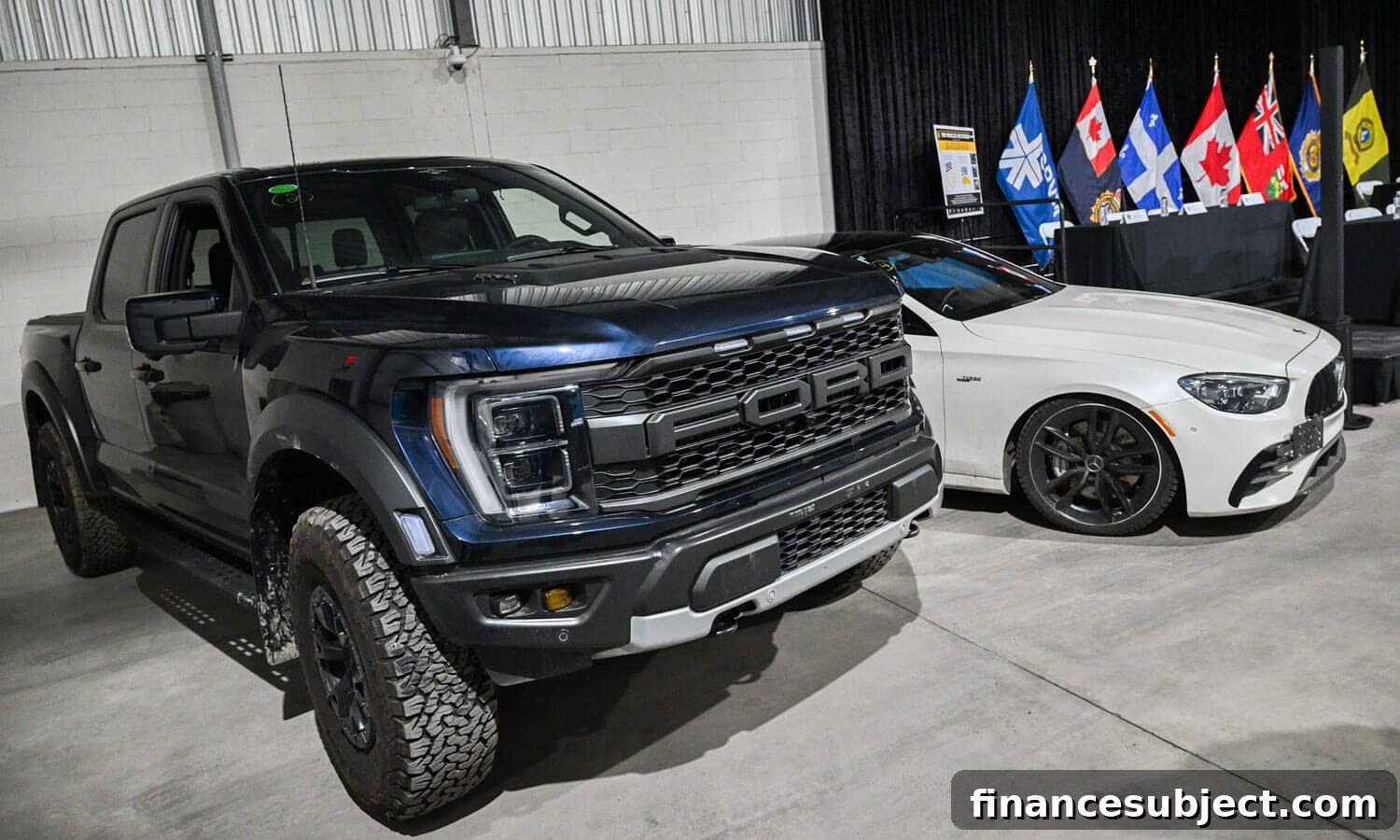
Insurers typically pass higher claim costs onto consumers through increased premiums or by refusing to insure certain high-risk models. According to insurance fraud prevention group Équité Association, the Honda CR-V, the latest Dodge RAM 1500 series and Ford F150 were among the most stolen vehicles in 2022. Owners of frequently targeted models should expect to pay more to insure their vehicles, or to shop around for a carrier willing to cover them. (See lists of best used cars in Canada and best EVs in Canada for safer options.)
Will a tag or tracker lower car insurance premiums in Canada?
Installing an aftermarket tracking device—often called a tag—can help locate a stolen vehicle and may deter thieves if the device or its decal is visible. Liam McGuinty, vice-president of strategy at the Insurance Bureau of Canada, notes that trackers reduce the risk of total loss and therefore can lower the likelihood of a claim. That reduced risk can translate into premium savings with some insurers.
Tracking devices typically cost around $400, a one-time expense most owners pay out of pocket. Some insurers, however, will offer discounts or reimburse part of the cost to encourage adoption. Hands estimates those discounts could fall in the 10% to 30% range, though insurer practices vary.
Other carriers may take the opposite approach and apply a surcharge to vehicles without a tag; Hands says such surcharges can be as high as $500 a year. Still, for the most commonly stolen models, even installing a tracker may not guarantee a lower premium—insurance companies evaluate risk differently and have no uniform policy on discounts for aftermarket devices.
“There’s no single industry-wide rule that installing an aftermarket tracking device yields a set discount,” McGuinty adds. “Each insurer makes its own decision based on its underwriting guidelines.”
Even when a tracker doesn’t produce an immediate premium reduction, preventive actions help keep your claim history clean. A longer claims-free record typically improves pricing over time, and periodically shopping around for better rates remains an effective way to lower costs.
Can you be denied insurance because of the model?
Some insurers are increasingly unwilling to offer coverage for vehicles that appear frequently on theft lists. Steve Henderson, managing partner at Youngs Insurance Brokers Inc., says brokers must check across multiple companies to find the best fit for clients who own high-risk models. “We examine our panel of insurers to determine who will provide the best coverage and value,” he explains, working to secure suitable options for drivers despite restrictions in the market.
How to prevent your car from being stolen
Taking straightforward precautions reduces theft risk and may ease insurance costs. Helpful measures include parking in a locked garage whenever possible, using a visible steering-wheel lock when parked outdoors, and storing keys in a Faraday pouch to block fob signals from being captured by thieves. If you’re buying a new or used vehicle, check theft-risk lists and avoid models that are commonly targeted—choosing a less-attractive vehicle can save money on insurance over the long term.
Finally, remember that insurers operate in a regulated market: major rate changes typically require approval from provincial regulators. That makes dramatic, immediate reductions in premiums rare, but consistent preventive steps and shopping for competitive quotes are practical ways to manage your insurance costs over time.
Newsletter
Get free MoneySense financial tips, news & advice in your inbox.
Read more on car insurance:
- The best car insurance in Canada: Your complete guide
- What is comprehensive insurance and what does it cover?
- How much is insurance for a new driver?
- What you need to know about third-party liability insurance in Canada