
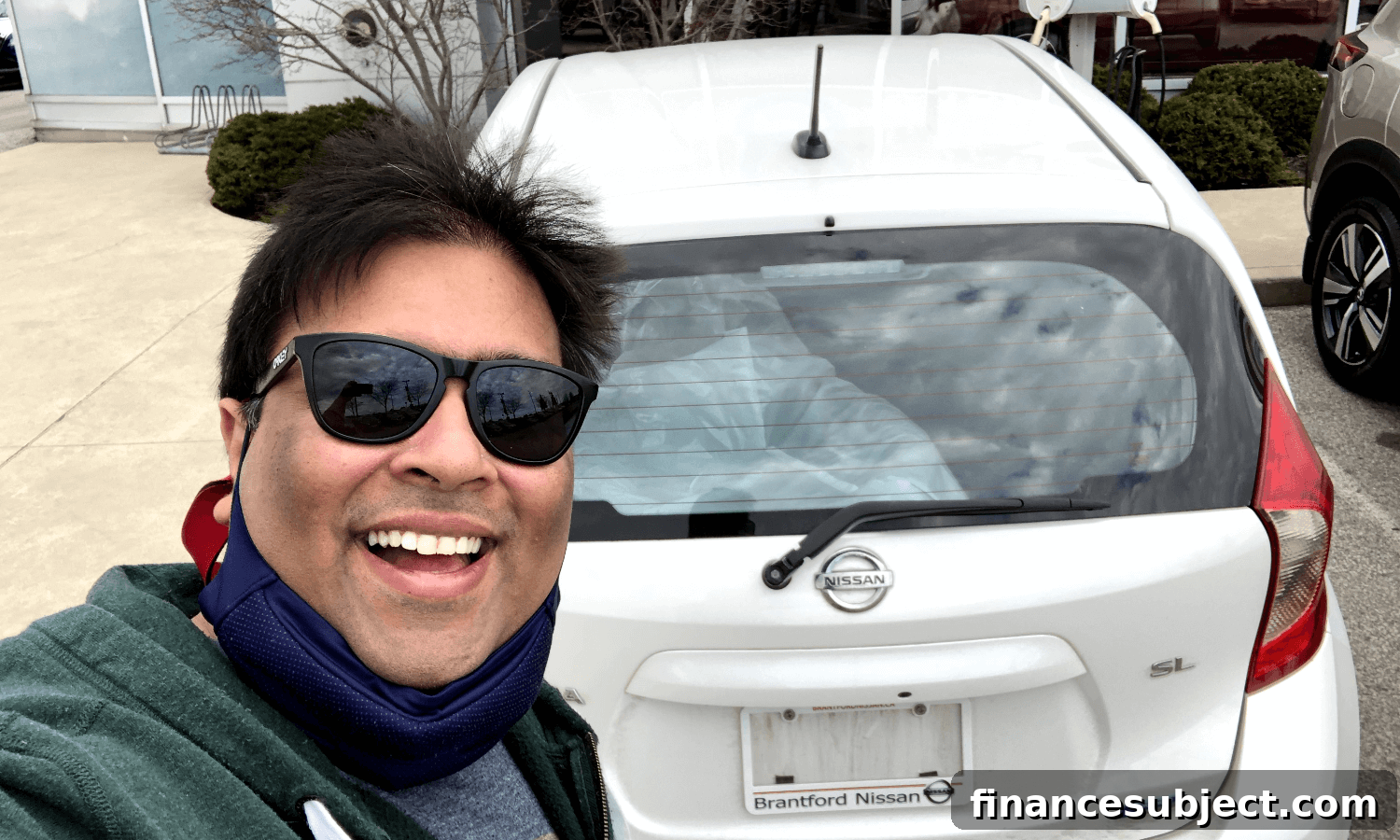
When my family and I moved to Canada in 2019, we thought we had a clear plan. My wife, an Ottawa native, was returning home after more than a decade abroad. I grew up in India and spent most of my adult life in the Middle East, building a career as a digital entrepreneur. We had talked about relocating for years, but it was our daughter who finally tipped the balance. We wanted her to grow up near family and enjoy the kind of childhood my wife had grown up with.
We arrived full of optimism and confidence. We had savings, work experience and a support network. But in our first week, a single visit to a car dealership revealed just how much we still needed to learn. In a few short hours we received a crash course on buying a car in Canada and the realities of credit, insurance and everyday financial systems. That experience turned out to be far more formative than we expected.
Buying your first car: What no one tells you
We assumed buying or leasing a car would be straightforward. We were looking for a mid-size SUV like the one we had in Dubai, and leasing seemed smarter than spending tens of thousands of dollars right away. Then came the credit check.
Although my wife had a strong credit history overseas, her Canadian credit file had gone dormant after she declared non-residency. I had just arrived and had no Canadian credit file at all—something many newcomers face. Even when we offered to pay cash, the dealership wanted bank paperwork to verify the source of funds. That’s not an obvious request in your first week after moving countries.
We briefly considered having a family member co-sign, but that would have been unfair and risky for them. Auto insurance was another surprise: despite long driving histories abroad, both my wife and I were treated like new drivers in Canada, which pushed premiums higher. Because my wife had the slightly stronger Canadian profile, she had to be the primary policyholder, while I could only be added as a secondary driver.
Leasing stopped being practical. The combination of limited credit history, required paperwork and elevated insurance costs made it an unwise choice at that stage. We rented a car for a few months while we settled in, then bought a modest used vehicle. Moving from a high-end SUV overseas to a basic second-hand car was humbling, but it was the sensible move. It bought us time to understand Canadian financial systems and to begin building the credit and documentation we needed.
7 car-buying tips for newcomers to Canada
Whether you’re planning to buy your first car in Canada, considering auto financing, or shopping for a used car in Ontario or another province, these practical lessons helped us and can guide other newcomers:
1. Start building credit early.
Canada’s financial system relies heavily on credit history. Start by applying for a secured credit card, put utilities in your name and make consistent monthly payments. These simple steps establish a record that will be essential for future purchases like a car or a home.
2. Renting gives you breathing room.
If you need a vehicle immediately, renting can be a sensible short-term solution. In many provinces you can drive with an international licence for a limited time. Compare rental locations—sometimes off-airport branches are cheaper—and use the rental period to plan your long-term approach.
3. Know your driver’s licence status.
Some countries have agreements that let you exchange your licence without repeating the graduated licensing steps. If your country doesn’t, you may need to start the local licensing process from the beginning (for example, getting a G1 in Ontario), which will affect your driving and insurance options.
4. Consider a used car for financial flexibility.
A reliable used vehicle can help you avoid high lease payments and steep insurance premiums. Seek certified pre-owned cars when possible, request a vehicle history report, and get a safety certificate. Buying used can be the most practical way to get mobile while you build credit and local history.
5. Shop around for insurance.
Newcomers often face higher auto insurance rates, but premiums vary widely among providers. Use online comparison tools and obtain multiple quotes. Re-shop your policy annually—rates often improve as you accumulate Canadian driving experience and build a credit profile.
6. Understand leasing versus financing versus buying outright.
Leasing offers lower monthly payments and flexibility but usually includes mileage limits and higher insurance requirements. Financing can help you build credit as you make payments, while buying outright avoids interest costs. Choose the option that best fits your short-term cash flow and long-term goals.
7. Start modest and leave room to grow.
Your first car after immigrating might not match your previous lifestyle—and that’s okay. Prioritize reliability and affordability over status. As you establish credit, employment history and insurance eligibility, you can upgrade to a vehicle that better fits your preferences.
A lesson that went far beyond buying a car
That dealership visit ended up being more than a lesson about cars; it was our introduction to Canadian life. We learned that having resources isn’t always enough. Successfully settling in a new country requires humility, adaptability and patience. Sometimes the best path forward is to accept a temporary step back so you can build a stable foundation.
After that experience I shifted from running my own business to taking employment in Canada—not because I wanted to give up entrepreneurship, but because I needed to establish local credit and credibility. That choice opened doors: it broadened my professional network, led me to new industries and ultimately helped me relaunch my own consulting work later on. It also motivated me to volunteer and support other newcomers as they navigate job searches and daily life in Canada.
New car, new perspective
If you’re new to Canada and figuring out how to buy a car, you’re not alone. The process is often a practical rite of passage that turns immigration theory into daily reality. It can be challenging, but with preparation, patience and persistence you can find the right path—build credit, secure insurance and eventually drive the car that fits both your needs and your future.
Additional resources and tips
- Research provincial licensing rules and how international licences are recognized in your province.
- Document your overseas driving history and any insurance records—they can be useful when negotiating rates.
- Keep records of bank statements and the origin of funds if you plan to pay cash for a vehicle.
- Ask for vehicle history reports and safety inspections when buying used.
- Compare multiple insurance quotes and revisit them annually as your profile improves.