
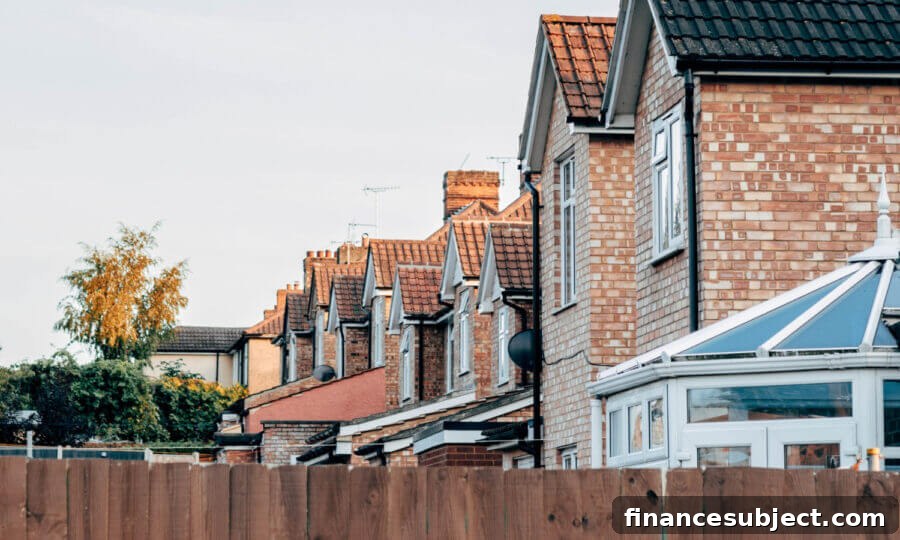
For many prospective buyers, the technical details of the Toronto housing market—percent changes, sales figures and interest rate shifts—matter less than a simple question: “What kind of home can I afford?”
To help answer that, this article estimates the household income required to buy a home in Toronto and the Greater Toronto Area (GTA) using the benchmark home prices reported by the Toronto Regional Real Estate Board (TRREB) in January 2024.
Resource highlight
You’re 2 minutes away from getting the best mortgage rates.
Answer a few quick questions to get a personalized quote for buying, renewing or refinancing.
Powered by ratehub.ca
Income needed by property type
Below are the estimated household incomes required to buy different property types across the GTA (including both the City of Toronto and surrounding suburbs). These estimates are based on TRREB’s January 2024 benchmark prices and standardized mortgage assumptions described later in the article.
| Across the GTA | Benchmark home price | Household income needed | Monthly mortgage payment |
|---|---|---|---|
| Single-family detached | $1,360,400 | $269,000 | $6,485 |
| Single-family attached | $1,043,700 | $208,000 | $4,976 |
| Townhouse | $795,000 | $157,000 | $3,790 |
| Apartment/condo | $682,600 | $137,000 | $3,254 |
These figures make it clear: buying any kind of home in the GTA typically requires a substantial household income. In 2021, the most recent year with comparable national data, the average Canadian earned about $54,000. By comparison, affording a detached home in the GTA at current benchmark prices would require more than four times that amount.
Income needed by city in the GTA
Housing costs vary widely across the GTA. The table below shows the benchmark price and estimated household income needed for the average property in each city (benchmarks combine detached and attached houses, townhouses and apartments/condos).
| City | Benchmark home price | Household income needed | Monthly mortgage payment |
|---|---|---|---|
| Ajax | $967,600 | $193,000 | $4,613 |
| Aurora | $1,321,200 | $262,000 | $6,299 |
| Brampton | $999,200 | $199,000 | $4,764 |
| Brock | $673,800 | $135,000 | $3,212 |
| Burlington | $963,500 | $192,000 | $4,593 |
| Caledon | $1,320,000 | $262,000 | $6,293 |
| Clarington | $834,900 | $167,000 | $3,980 |
| East Gwillimbury | $1,273,700 | $252,000 | $6,072 |
| Georgina | $820,900 | $164,000 | $3,914 |
| Halton Hills | $1,081,500 | $215,000 | $5,156 |
| King | $1,801,600 | $356,000 | $8,589 |
| Markham | $1,300,600 | $258,000 | $6,200 |
| Milton | $1,013,300 | $202,000 | $4,831 |
| Mississauga | $1,002,000 | $199,000 | $4,777 |
| Newmarket | $1,175,800 | $233,000 | $5,605 |
| Oakville | $1,285,800 | $255,000 | $6,130 |
| Oshawa | $793,600 | $159,000 | $3,783 |
| Pickering | $992,300 | $198,000 | $4,731 |
| Richmond Hill | $1,404,200 | $278,000 | $6,694 |
| Scugog | $885,400 | $177,000 | $4,221 |
| Stouffville | $1,337,600 | $265,000 | $6,377 |
| Toronto | $1,050,300 | $209,000 | $5,007 |
| Uxbridge | $1,172,000 | $233,000 | $5,587 |
| Vaughan | $1,328,200 | $263,000 | $6,332 |
| Whitby | $1,000,400 | $199,000 | $4,769 |
Mortgage rates have begun to ease in recent months, but home prices in Canada have stayed largely steady over the past year. Because higher interest rates reduce the borrowing capacity of new buyers, this combination has not materially improved mortgage affordability.
Although prices are down from their pandemic peak in some markets, the benefit to buyers has been offset by higher interest rates. For a meaningful reduction in the income required to buy in Toronto or the GTA, benchmark prices would likely need to decline further.
How to calculate how much income you need
Lenders evaluate your finances using specific affordability measures. One key metric is the gross debt service (GDS) ratio, which compares monthly housing costs—mortgage payments, property taxes and utilities—to household income. Lenders commonly use a GDS threshold of 39% or less as an affordability guideline (the Canada Mortgage and Housing Corporation recommends 39%), while some regulators and tools use a more conservative 32% guideline.
The related measure is the total debt service (TDS) ratio, which includes housing costs plus other debts such as car loans or credit card balances. Many lenders allow a TDS of up to around 44%, but individual limits vary by lender and borrower profile.
To produce the income estimates above, we applied the 39% GDS guideline to January 2024 benchmark prices. We did not include TDS in the calculations because that requires detailed knowledge of a borrower’s other debts; if you carry significant non-mortgage debt, your required income would be higher than shown here.
Our assumptions for the calculations were:
- 20% down payment;
- annual property taxes equal to 0.75% of the purchase price;
- estimated heating costs of $100 per month;
- a 25-year mortgage amortization;
- a five-year fixed mortgage rate of 5.25% (representative of competitive national offers in March 2024); and
- a mortgage qualifying (stress test) rate of 7.25%—the higher of 5.25% or the contract rate plus 2 percentage points, as required by the stress test rules.
What to make of these numbers
These estimates provide a regional snapshot of income requirements for buying a home in Toronto and the GTA, based on averages and standard assumptions. They are not personalized financial advice. Individual affordability will depend on your unique financial situation, including credit history, existing debts, down payment size and the lender’s criteria.
If you’re planning to buy, consider consulting a mortgage broker or lender who can evaluate your specific circumstances and provide tailored guidance. A professional can factor in non-mortgage debts, available down payment, and current mortgage products to give a clearer picture of what you can realistically afford.
Newsletter
Get free MoneySense financial tips, news & advice in your inbox.
Read more about real estate:
- Where to Buy Real Estate in Canada 2023: National ranking
- Earning, saving and spending money in Canada: A guide for new immigrants
- Renting vs. home ownership: Can you be financially secure without buying?
- What the Bank of Canada’s latest overnight rate hike means for your finances
- Mortgage renewal calculator
This article is presented by an advertising partner.
This is editorial content produced independently, with financial support from an advertising partner. The advertiser did not influence the reporting or analysis in this article.
What does the * mean?
Some links on this site are affiliate links that may generate a commission for MoneySense (owned by Ratehub Inc.), which helps support free access to our content. An asterisk (*) or the label “Featured” indicates an affiliate link. Links marked “Sponsored” are paid placements. Editorial coverage is not determined by these relationships. For more information, see the MoneySense monetization policy.