
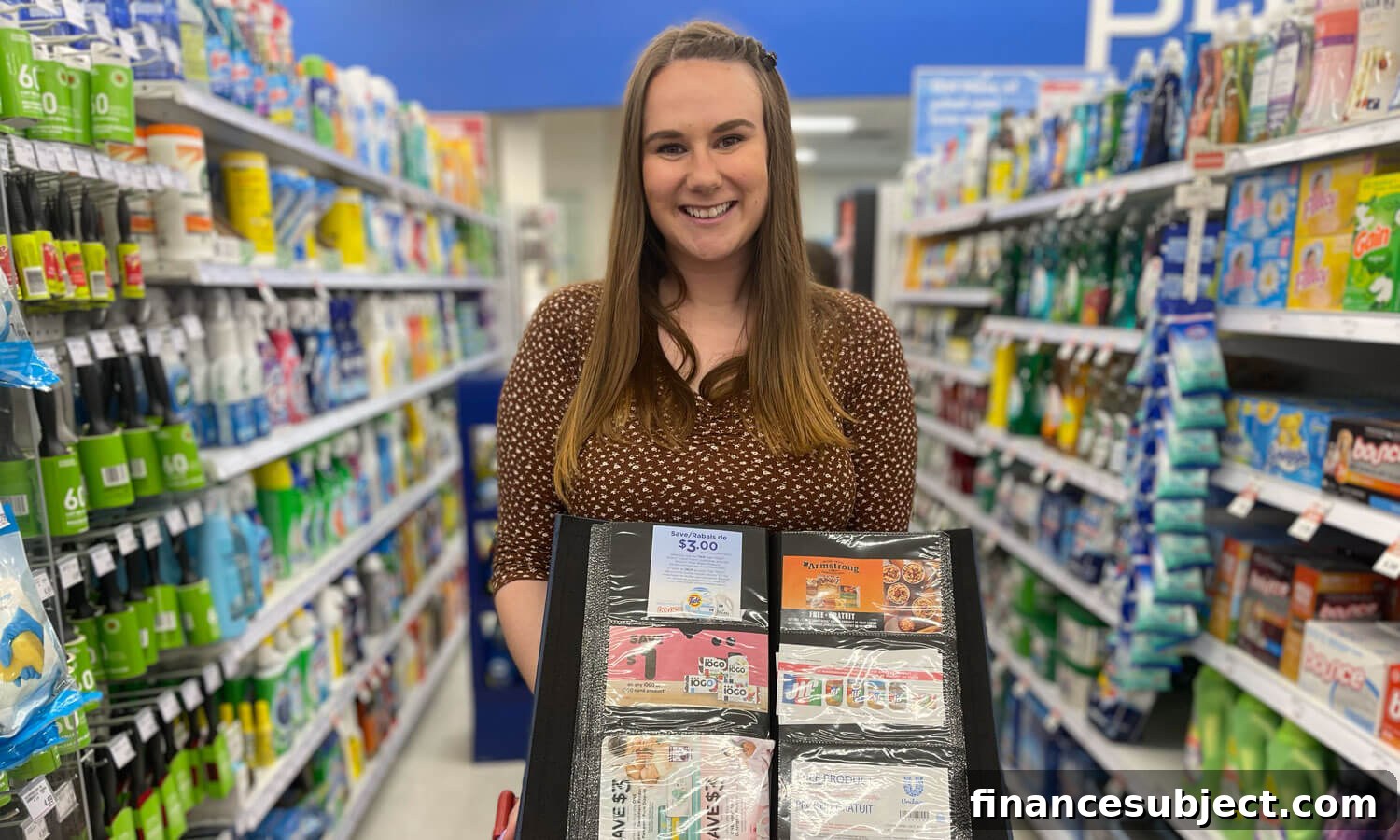
Who doesn’t want to stretch their dollars further? Kathleen Cassidy has taken frugality to an art form through extreme couponing. Her journey began as a student at McMaster University, where she started clipping coupons and hunting discounts to make the most of a limited budget. Today she still lives in Hamilton, Ontario, and uses her experience to teach Canadians practical ways to save. She is a spokesperson for PC Financial and shares tips with her followers as LivingonaLoonie on TikTok and Instagram, encouraging Canadians to save money—one loonie at a time.
Featured credit cards
Tangerine Rewards World Elite Mastercard
GO TO SITE
Annual Fee:
$120
Interest Rates:
20.95% purchase, 22.95% cash advance, 22.95% balance transfer
Welcome offer:
$400 value
Example breakdown: 30,000 Scene+ points when you spend $3,000 in the first 3 months (approx. $300 value), an annual lifestyle credit and lounge passes that can increase first-year value up to $600.
SimplyCash Preferred Card from American Express
GO TO SITE
Annual Fee:
$120
Interest Rates:
21.99% purchase, 21.99% cash advance, N/A balance transfer
Welcome offer:
$250 value
Typical welcome incentives include elevated cash back for a limited period and statement credits in the first year, which can add meaningful short-term value.
MBNA True Line Mastercard credit card
GO TO SITE
Annual Fee:
$0
Interest Rates:
12.99% purchase, 24.99% cash advance, 17.99% balance transfer
Who are your money heroes?
I admire people who build the life they want while using their resources to help others. Those who balance personal success and community giving are true role models to me.
How do you like to spend your free time?
Most of my free time goes into Living on a Loonie—creating content and sharing practical saving tips for groceries, clothing, travel and everyday life. I launched Living on a Loonie as a student to stretch a tight budget, and the channel has grown from there.
Away from content creation, I enjoy spending time with family and friends, trying new restaurants, and going to concerts or sporting events.
@livingonaloonie Hi 👋 If you’re new here welcome. Drop your question about couponing below and I will try to get to as many as possible 🥰 #livingonaloonie #CouponinginCanada #dealsincanada #savingmoneyincanada
If money were no object, what would you be doing right now?
I would scale up my efforts to combat food insecurity. Couponing has let me contribute locally, and with more resources I’d like to expand those initiatives to reach more communities.
What was your earliest memory about money?
My earliest money memory is counting play money in elementary school. That early lesson helped me grasp basic financial concepts and sparked an interest in managing money responsibly.
What’s the first thing you remember buying with your own money?
I remember spending my own money on clothing—running to the mall after birthdays or holidays. It felt exciting then, and it taught me about choices and priorities as I learned better money habits over time.
What was your first job?
I worked as a cashier at a hardware store. My first paycheque likely went toward a concert ticket—classic student priorities.
What was the biggest money lesson you learned as an adult?
Choose a credit card that suits your spending. My first card didn’t offer meaningful rewards for my purchases, so I missed out on points and cash back. Once I switched to a card aligned with my habits—like the PC Mastercard that earns PC Optimum points—I started reclaiming value from everyday spending and saving on essentials.
What’s the best money advice you’ve ever received?
There’s no shortcut to wealth. Building financial security takes planning, patience and consistent effort—compounding happens over time.
What’s the worst money advice you’ve ever received?
Trying to match others’ lifestyles because of peer pressure. Comparing yourself to others can lead to choices that don’t fit your goals. When you feel FOMO, pause, clarify your priorities, and act according to your plan.
Would you rather receive a large sum of money all at once or a smaller amount regularly for life?
I’d choose a lump sum. Having a single amount gives me the flexibility to plan, invest and allocate funds to match long-term goals.
What do you think is the most underrated financial advice, tip or strategy?
Couponing—especially modern couponing that goes beyond clipping paper coupons. Today’s tools include apps, loyalty programs and targeted offers that align with your spending. The key is choosing programs that fit your everyday purchases, such as loyalty points, price-matching and cash-back apps.
For me, the PC Mastercard and the PC Optimum program work well together: I earn points on many purchases, then redeem them for groceries or small treats. It took some habit-building, but these strategies cut my monthly spending significantly.
What is the biggest misconception people have about growing money?
Many people think managing money is intimidating or overly complicated. Like any new skill, it takes time to learn. When I started couponing and budgeting, it felt confusing, but persistence turned it into a manageable and rewarding routine.
Can you share a money regret?
I regret not tracking my spending earlier. Tracking expenses reveals where money comes from and where it goes, and that awareness has been transformative. Now I use tools and apps that automate tracking and budgeting, which makes staying organized much easier.
What does the word “value” mean to you?
Value combines time and memories. Time is finite, so spending money to save time can be worthwhile when it fits your budget. I also value experiences—travel, food and events—that create lasting memories.
What was the first major purchase you made as an adult?
My car. Beyond the vehicle itself, you must consider fuel, insurance, maintenance and long-term costs. It was a significant decision that aligned with my lifestyle needs.
What’s your take on debt?
Rising living costs and higher interest rates mean many Canadians are dealing with debt. It’s common but often stigmatized. Talking openly about budgeting and debt management can help people learn practical strategies and reduce shame around finances.
What was your most recent splurge?
My husband and I finally took our honeymoon after marrying during the pandemic—a special treat we’d been postponing.
What is the last money-related book you read?
Think and Grow Rich by Napoleon Hill. Its perspective on mindset and wealth sparked new thinking about what financial success can mean.
What is something you always have in your wallet?
Tools that help me save—especially my PC Mastercard. Earning PC Optimum points on everyday purchases has become a cornerstone of how I stretch my budget and save for essentials.
What is your favourite possession?
My pet rabbit—small, personal and much loved.
What’s your next money goal?
I plan to revisit my five-year financial plan and learn more about investing to align with where I am in life now.
Newsletter
Get free MoneySense financial tips, news & advice in your inbox.
My MoneySense quick questions
Rent or own?
Given today’s housing market, rent until you’re sure where you want to settle, then consider buying—unless ownership clearly aligns with your long-term plans and budget.
Buy or lease?
It depends on your situation: driving needs, cash flow and how long you plan to keep the vehicle.
Save or invest?
Prioritize an emergency fund first, then explore investing to grow wealth over time.
Budget or not?
Budget—but keep it flexible. Budgets should guide decisions, not restrict life.
Read more My MoneySense profiles:
- Money tips from Jordan Heath-Rawlings: “Make sure you can afford a sudden expense”
- Tareq Hadhad on his investing journey and the story behind Peace By Chocolate
- Allan Small on a measured, glass-half-full approach to markets and risk
- Julie Shipley-Strickland and Bryan Borzykowski: top money advice from two industry veterans