
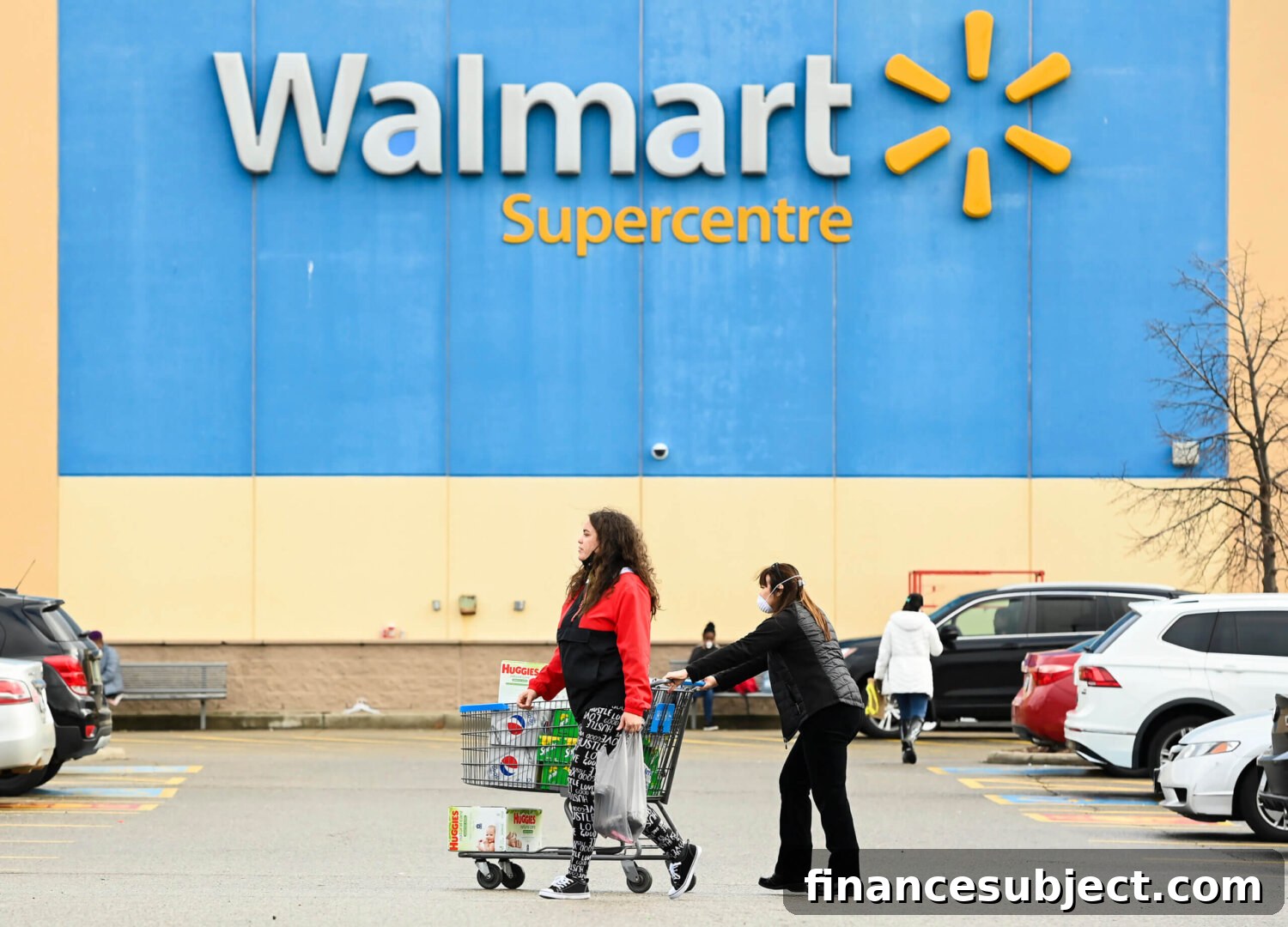
All of Canada’s major grocery chains have agreed to a voluntary grocery code of conduct, clearing the way for industry guidelines that have been under development for several years.
Federal, provincial and territorial agriculture ministers announced the development on Thursday during their annual meeting in Whitehorse. They confirmed that the last holdouts — Walmart and Costco — have now agreed to sign on to the code alongside Loblaw, Metro and Empire.
“This is a positive step toward bringing more fairness, transparency, and predictability to Canada’s grocery supply chain and for consumers,” the ministers said in a joint statement.
Michael Graydon, CEO of the Food, Health & Consumer Products of Canada association and chair of the code’s interim board, called the full participation of the five largest retailers an important milestone. He said it was essential that all major retailers be involved to ensure the code is effective across a highly competitive market.
“It was critical that all of the retailers got involved, because it’s a very competitive business,” Graydon said. “It kind of was an all-or-none situation. And I think they all respected that and came to the table.”
What is the grocery code of conduct?
The voluntary grocery code of conduct is designed to level the playing field between suppliers, smaller retailers and the large national chains by setting clear guidelines for fair negotiations, transparent fees and predictable commercial practices. It aims to address concerns about unilateral fees, last‑minute chargebacks and other practices suppliers have said create uncertainty and financial strain.
The interim board reported to ministers that, in addition to national, regional and local independent grocers, a wide range of suppliers have agreed to participate. The board’s goal is to implement the code by next June and to make it operational through an independent office and a neutral adjudicator to resolve disputes.
Federal Agriculture Minister Lawrence MacAulay described the development as “elating,” noting that having the five major retailers on board is “good news for the whole supply chain.” He emphasized that the intention is to increase transparency, fairness and predictability in the food industry rather than to directly lower grocery prices.
The code was created after concerns emerged about contentious fees charged to suppliers by large grocery operators. A flashpoint came in 2020 when some major retailers introduced supplier fees linked to infrastructure investments, prompting supplier pushback and industry debate about acceptable commercial practices.
Progress stalled at times: last fall, leaders from major retailers expressed worries to members of Parliament that the draft code might contribute to higher retail prices. Those concerns intensified calls from some MPs and stakeholders to consider making the code mandatory. Lawmakers studying food prices warned in February that, if retailers would not voluntarily sign on, they would recommend legislation to enforce a code — a step the federal government said it was prepared to explore.
In May, Loblaw announced it would accept the revised code provided other industry players joined as well, saying the updated document addressed its concerns. Per Bank, Loblaw’s president and CEO, said at the time that the code “is fair, and it will not lead to higher prices.” Following that, attention focused on Walmart and Costco, and both companies ultimately indicated they would support the current, more balanced version of the code.
Graydon has consistently argued the code should remain voluntary and industry-led. He warned that failing to adhere to a voluntary agreement could prompt government intervention, a scenario the industry seeks to avoid. The interim board is now focused on establishing the independent office that will administer the code, appointing an adjudicator and securing funding to support these governance functions.
Ministers said they will consider a funding request to help set up the code’s oversight office, and MacAulay indicated agriculture ministers will discuss support measures as they work to ensure the code’s success.
Canadian grocers under intense public pressure
Canada’s largest grocers have been facing heightened public and political scrutiny as grocery prices rose more than 22% over four years. That inflationary pressure spawned public criticism and consumer actions, including a boycott directed at one major retailer earlier this year.
The grocers have defended their pricing, arguing they are at the end of a long supply chain with costs at every stage — from production and transportation to packaging and labour. Company executives have repeatedly told MPs that higher retail food prices are driven by broader economic factors rather than single actors.
At the same time, federal competition authorities have launched investigations into the parent companies of several large grocery chains over alleged anticompetitive behaviour. The Competition Bureau is examining the use of property controls and restrictive lease clauses that can limit the types of tenants and activities allowed in commercial spaces. Regulators argue such clauses can suppress competition by disadvantaging smaller Canadian grocers and discouraging potential foreign entrants.
Industry Minister François‑Philippe Champagne has said he is actively seeking to attract a foreign grocer to Canada to increase competition and help keep prices in check.
Supporters of the grocery code say that by improving contract stability, clarifying acceptable commercial practices and offering a neutral dispute‑resolution mechanism, the code can help restore trust among suppliers, retailers and ultimately consumers. The industry and governments will now need to work together to implement the code’s governance, secure necessary funding and ensure the new framework improves transparency without unintended consequences for grocery affordability.
More about spending:
- The money-saving tips and tricks I’ve learned while living single
- How to find a budgeting app that works for you
- How to save on food and drinks at your next sports game or concert
- Five credit card habits that earn points faster