
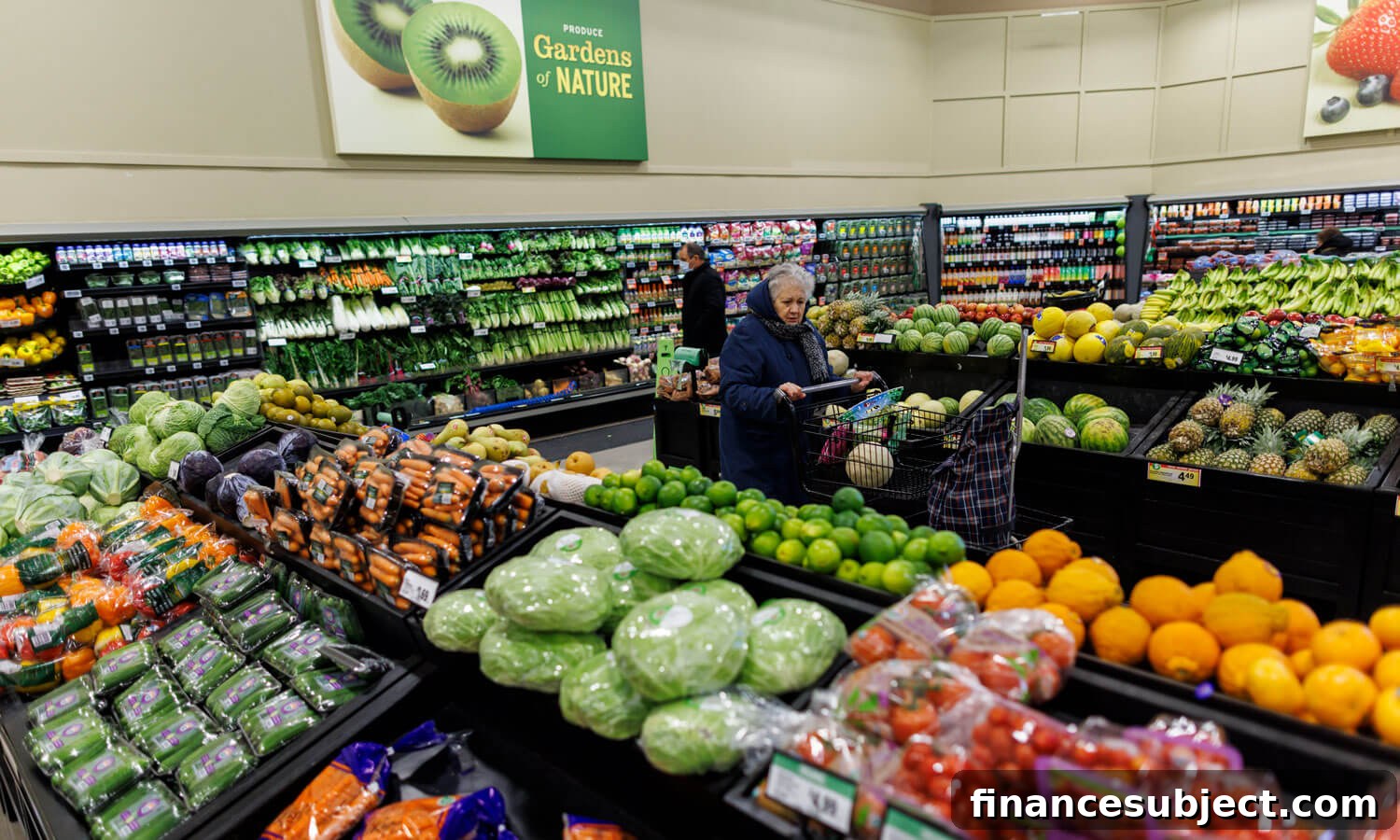
Grocery inflation in Canada is expected to fall below 2% by spring 2024 and remain roughly between 1% and 2% for the rest of the year, according to a new industry report. Farm Credit Canada (FCC), an agricultural lender, says the pressures that drove food prices higher are easing and anticipates that food price increases beyond 2024 will stabilize around pre-pandemic levels.
Spring 2024 outlook on grocery food inflation for Canada
FCC’s annual food and beverage report paints a more positive picture for manufacturers in 2024 compared with last year, even though some sectors will continue to face headwinds from higher interest rates and tighter household budgets. Population growth combined with stabilizing—or in some cases falling—input costs has improved the outlook for margins this year. The report also provides forecasts for consumer spending and pricing for key items such as sugar and flour.
What is Canada’s inflation on food?
Canada’s annual inflation rate was 2.8% in February 2024, with grocery prices playing a major role in the downward trend. Grocery inflation eased to 2.4% in February, down from 3.4% in January, as many food items declined in price on a year-over-year basis. However, a slowing inflation rate does not mean prices are falling overall: Statistics Canada reported that grocery prices rose 21.6% between February 2021 and February 2024.
How are Canadians dealing with rising food prices?
With the combined strain of higher food, housing and everyday costs, many Canadians are adjusting their grocery habits. FCC finds shoppers increasingly seeking sales, choosing lower-cost brands, buying more canned and frozen foods, visiting discount retailers, and reducing overall food purchases. Consumers also report that the effects of high interest rates are gradually constraining their spending.
In response to growing price sensitivity, food processors have been adjusting packaging sizes and substituting less expensive ingredients to protect margins. The report also notes that Canadians are cutting back on alcohol purchases, and it forecasts a decline in alcohol sales and manufacturing volumes in 2024.
Will food prices go down?
The FCC outlook suggests some products should decline in price during 2024. For example, flour prices are expected to fall after sharp increases in prior years, which should lead to lower manufacturing costs and selling prices for bakery and tortilla products by year-end.
By contrast, sugar and cocoa present challenges. The sugar and confectionery sector is facing significant headwinds from global production issues, while cocoa prices surged to a multi-decade high in 2023 and continue to accelerate. Those higher commodity costs will squeeze margins in confectionery and chocolate manufacturing, since tighter household budgets limit how much of the increase can be passed on to consumers. Nevertheless, demand for lower-cost indulgences tends to remain resilient in difficult economic times, as consumers often treat themselves to smaller luxuries.
Is there good news about grocery pricing?
Despite falling sales forecasts, FCC offers a relatively optimistic view for food and beverage manufacturers. Several input cost drivers—fuel, transportation and packaging—have seen price increases slow or even reverse. FCC projects that food and beverage sales will decline about 1.4% in 2024, but that gross margins should improve because much of the recent sales growth reflected inflation rather than real volume gains. In short, as input costs stabilize and inflation eases, profitability can recover even if nominal sales fall.
Get free MoneySense financial tips, news & advice in your inbox.
Read more about groceries:
- From groceries to flights to data plans: Why is Canada so expensive?
- PC Optimum points: How to earn, redeem and maximize your rewards
- Inflation and food costs are rising, but so is food waste
- The best grocery credit cards in Canada
- How much does grocery delivery cost?