
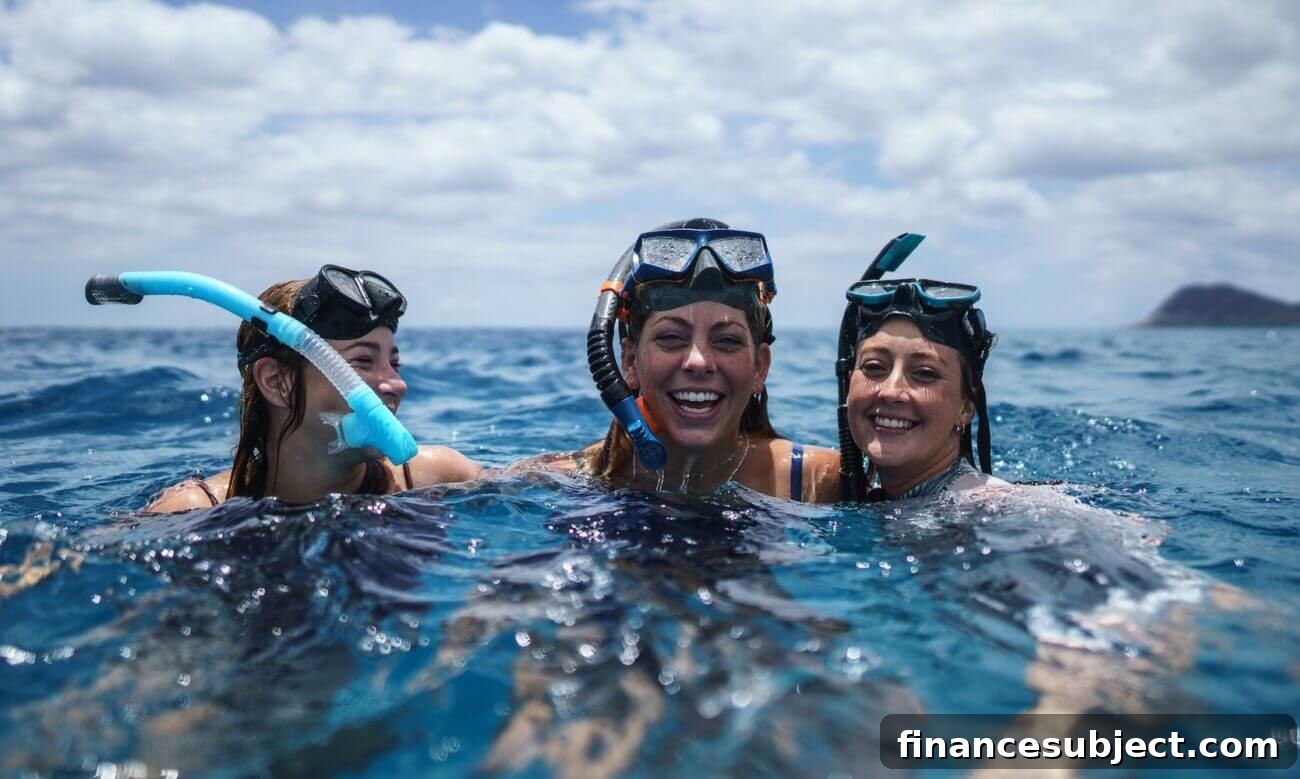
There are a lot of choices to make as a young adult in Canada. From selecting a post-secondary program to figuring out a career path, many people don’t have everything mapped out. One popular option is taking a gap year. A gap year can be an excellent chance to grow personally, recharge between studies, and travel to new places before returning to school or starting a career.
What is a gap year?
A gap year is typically a year off from formal education or work to pursue interests, gain experience, or simply take time to reflect. Many people take a gap year after high school, while others pause college or university programs. Approaches vary: some travellers volunteer, others study abroad, work, or travel for leisure. Common goals include trying new things, learning about different cultures, developing independence, and clarifying academic or career plans.
Should I take a gap year?
Before committing, weigh the pros and cons. Planning is essential: without some structure you might feel unproductive or stuck. Consider social and emotional factors—if you delay school you may return a year older than classmates, which can feel isolating for some but freeing for others. You may also experience FOMO when friends begin university life while you’re away.
Financially, a gap year can be costly depending on the destination and activities. A short trip to a nearby country can be affordable, while a year of travel across multiple countries will require a larger budget. Factor in rising tuition and rent if you delay enrollment, and remember that postponing entry into the workforce delays earning income for a year.
A gap year is not a one-size-fits-all decision. Think through the social, emotional, and financial trade-offs and make a plan that fits your goals.
Benefits of travelling during a gap year
Travelling during a gap year can be expensive and nerve-racking, but it also offers many advantages. A gap year can help you:
- Experience different cultures and environments
- Learn things you won’t find in textbooks
- Build global experience for your résumé
- Stretch your comfort zone and be adventurous
- Gain hands-on skills and practical training
- Increase self-awareness and independence
- Learn to manage a personal budget
- Meet people and form lasting friendships
- Create memorable life experiences
A gap year can make financial sense
If you’re uncertain about your academic direction, a gap year can buy time to explore options and avoid switching programs later—switching can cost time and money. A gap year also creates an opportunity to earn and save money for future tuition or living costs while you take a break from study.
Deciding what to do during your gap year
Before choosing a destination, decide why you want to travel. Your motivation will shape logistics and your budget. Common gap year options include:
Volunteer, study or work abroad
Volunteering offers opportunities from wildlife conservation to teaching. Studying abroad can sometimes earn university or college credits and may reduce the net cost of travel. Working overseas or taking part-time jobs while travelling can help fund your trip and build work experience.
Taking a road trip
A road trip is a flexible, often affordable way to visit many places. Renting a car or RV can cut accommodation costs and let you explore diverse landscapes—whether across Canada’s coasts and mountain ranges or on routes through the United States. Remember to account for fuel, tolls, insurance, and seasonal travel conditions.
Backpacking through Europe
Backpacking remains a popular gap year choice for those who want to visit multiple countries in a single trip. Hostels and budget travel options make it easier to travel on a shoestring and meet fellow travellers. Guided group tours are another option if you’d prefer an organized itinerary.
Cheap travel destinations in Canada—and beyond
Affordable travel doesn’t require leaving the country. Small towns and regional destinations across Canada can stretch your budget. If you prefer cities, look for cost-saving accommodation options such as house-sitting, pet-sitting, or short-term rentals where possible.
House and pet sitting
House-sitting and pet-sitting let you stay in someone’s home while they’re away, often in exchange for looking after pets and property. This can reduce accommodation costs and sometimes provide a small stipend. Platforms and services exist that connect sitters with homeowners; many require a membership fee and reference checks. If you plan to travel abroad, check visa requirements before accepting assignments.
Couch surfing
Couch surfing connects travellers with hosts who offer free or low-cost places to stay. It provides a way to meet locals, join social events, and experience a destination more authentically. While it’s budget-friendly, be sure to vet hosts carefully and prioritize safety.
Choosing your destination
To narrow down destinations, ask yourself:
- How long do you want to travel—weeks, months, or a full year?
- Do you want to travel internationally or stay local?
- Do you prefer solo travel or going with friends?
- Is your budget shoestring or more flexible?
- Do you want an organized gap year program or to create your own itinerary?
Do I need a travel visa?
Once you choose destinations, check visa and entry requirements for each country. Different visas allow for tourism, study, work, or longer stays and can include fees and processing times. Also review travel advisories for safety concerns and have backup plans in case a destination becomes unsuitable.
How to finance your trip
Create a travel budget
Build a budget that covers transportation, accommodation, food, activities, insurance, and miscellaneous costs. Add a contingency (about 10%) for unexpected expenses. The specific items will depend on the type of trip:
| Expense category | Volunteer / Study / Work Abroad | Road Trip | Backpacking |
|---|---|---|---|
| Transportation | Round-trip flight, trains, local transit, taxis, bike rental | Car or RV rental, fuel, parking, tolls | Flights, ferries, trains, local transit, taxis, bike rental |
| Accommodations | Long-term rentals or host family stays | Airbnb, campgrounds, motels | Hostels, budget hotels |
| Food | Dining out, groceries, local markets | Groceries, easy meals, occasional dining out | Groceries, street food, occasional restaurants |
| Activities | Local tours, volunteering or training costs, cultural events | Parks, heritage sites, museums, outdoor activities | Museums, concerts, guided day trips |
| Insurance | Travel and medical insurance, trip cancellation coverage | Travel and vehicle insurance | Travel and medical insurance, trip cancellation |
| Other expenses | Souvenirs, phone roaming, local fees | Souvenirs, parking, phone roaming | Souvenirs, phone roaming, small emergencies |
Saving strategies for a gap trip
Short trips: Save in advance rather than relying on credit. Look for student or alumni discounts and consider short-term side jobs to boost your savings.
Long trips: For extended travel, combine savings with part-time or temporary work while abroad. Apply early for any scholarships or grants for gap-year participants if available. Focus on low-cost activities like hiking, beaches, public museums, and local festivals. Consider travel rewards or no-fee travel cards for benefits on bookings and conversions.
Foreign currencies: Which form of payment should you carry?
Before you leave, check whether your destinations accept cash, debit or credit cards, or prepaid travel cards. Some countries still rely heavily on cash, so it’s often helpful to have local currency on arrival. Avoid exchanging large amounts at airport counters where rates and fees are often higher; explore bank or online exchange options beforehand.
Are you ready to pack your bags?
A gap year can be a transformative experience, but it’s not right for everyone. Reflect on your goals and prepare financially and emotionally. When planned thoughtfully, a gap year can provide clarity about your future studies or career, build confidence and life skills, and broaden your perspective. If you can combine travel with study credits or work experience, it may be an especially valuable use of your time.
Whether you’re between academic years or just graduated, now is a good time to plan a gap year that fits your interests and budget. With realistic planning and clear goals, your gap year can become an unforgettable and productive chapter in your life.
Further reading
- First home savings account: A Gen Z guide to achieving home ownership
- How to survive a recession: Tips for young adults
- Setting financial goals to help achieve your dream lifestyle
- Budgeting basics for young adults