

“But you’re getting married! You have to!” From cakes and veils to engagement photos and bachelorette parties, that line is often the default response to every wedding decision. The minute a couple is engaged, opinions from friends and family start pouring in—frequently louder than the couple’s own priorities. The idea that you only get one wedding is often used to justify throwing financial plans out the window. Unfortunately, that impulse can create long-term stress that isn’t romantic.
Surveys show that many couples tap into savings and investments to pay for their weddings. One report found Canadian couples front more than half (around 60%) of wedding costs from their own funds. For many people across North America, a wedding is treated as an event that justifies taking on significant debt and financial strain. But does it have to be that way?
The short answer: no. No wedding is worth consistent stress, strained relationships, or years of financial hardship. Money fights are a leading contributor to marital breakdown in North America, and research suggests that couples who argue about money frequently are more likely to separate. Studies also indicate a correlation between overspending on weddings and higher divorce rates compared with couples who stick to modest budgets. The financial consequences of a lavish wedding can be very real and long-lasting.
Also read
Best savings accounts in Canada
Compare current high-interest savings rates across Canadian banks and online providers.
The average wedding cost in Canada
Before the pandemic and the rise of smaller ceremonies, estimates placed the average Canadian wedding somewhere between $22,000 and $30,000. In the U.S. the average often ran slightly higher. Over the past decade wedding costs have outpaced typical income growth, making weddings a significant financial commitment for many young couples—especially those also trying to save for a home or other long-term goals.
How to cut wedding costs
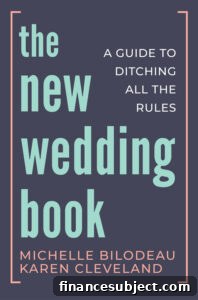
We explored this topic while researching The New Wedding Book: A Guide to Ditching All the Rules (Dundurn Press, 2021). Below are practical, realistic ways to lower your wedding bill while keeping the day meaningful.
Don’t advertise “wedding” when getting quotes
When you shop venues or vendors, leave out the word “wedding” at first. Services are often cheaper when treated like a regular event. If a vendor raises the price after learning it’s a wedding, ask whether their approach or pricing aligns with the vision and values you have for your day.
Choose three priorities and budget around them
Decide on the top three elements that matter most—food, music, photography, location, or something else—and allocate the bulk of your budget there. Let everything else be secondary so you can create the experience that’s most meaningful to you without overspending on details that don’t matter.
Shrink the guest list
Inviting fewer people is the single most effective way to reduce costs. Catering, rentals and even invitations are often priced per head, so a smaller guest list translates directly into savings.
Ask vendors for cost-saving suggestions
Vendors work on weddings all the time and often have creative, practical ideas to trim costs without sacrificing quality—ask them. They may suggest alternatives for flowers, timing, or service arrangements that deliver the same impact for less money.
Cut stationery
Formal “save the date” mailings and oversized invitations are costly and produce unnecessary waste. Consider digital save-the-dates and streamlined invitations, or reserve printed pieces only for guests who truly need them.
Skip the limo
Luxury transportation can be a budget buster. Choose an Uber Black, a taxi, or a vintage car rental if you want an arrival moment without the expense of a chauffeured limo.
How much should you give for a wedding gift?
When attending a wedding, there’s no universal rule for exactly how much to spend on a gift. Traditional guidance—such as matching the cost of the couple’s per-guest expenses—is a social custom rather than a requirement. Instead, consider four practical factors: your personal budget, how close you are to the couple, whether the wedding is local or requires travel, and how involved you’ll be in the events. A thoughtful, affordable gift that suits your relationship to the couple is always appropriate. If you prefer, check the couple’s registry or ask a close friend or family member for suggestions. Cash or a heartfelt card are also acceptable if they fit your means.
Are there any “rules” for wedding gift amounts?
There are no hard rules. Rather than following a number-driven custom, choose a gift based on your relationship, your financial comfort, and the role you play in the wedding. Avoid going into debt to follow perceived etiquette.
What readers say
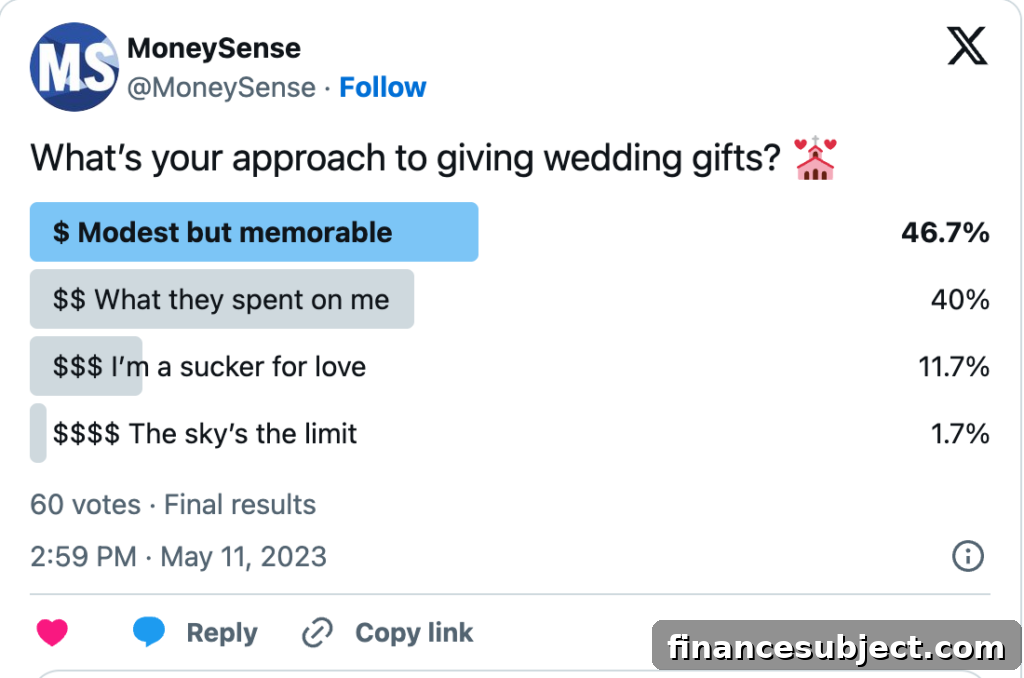
We asked readers on social media about their approach to wedding gifts and received a mix of answers—many prefer modest, meaningful presents that won’t strain their finances. The consensus: thoughtful, affordable choices win out over expensive gestures that cause stress.
Newsletter
Get free financial tips, news and practical advice in your inbox.
More on weddings
- How to budget for a micro wedding
- Should you take out a loan to pay for your wedding?
- Married with money: How to combine finances with your partner
- How to talk to your partner about money