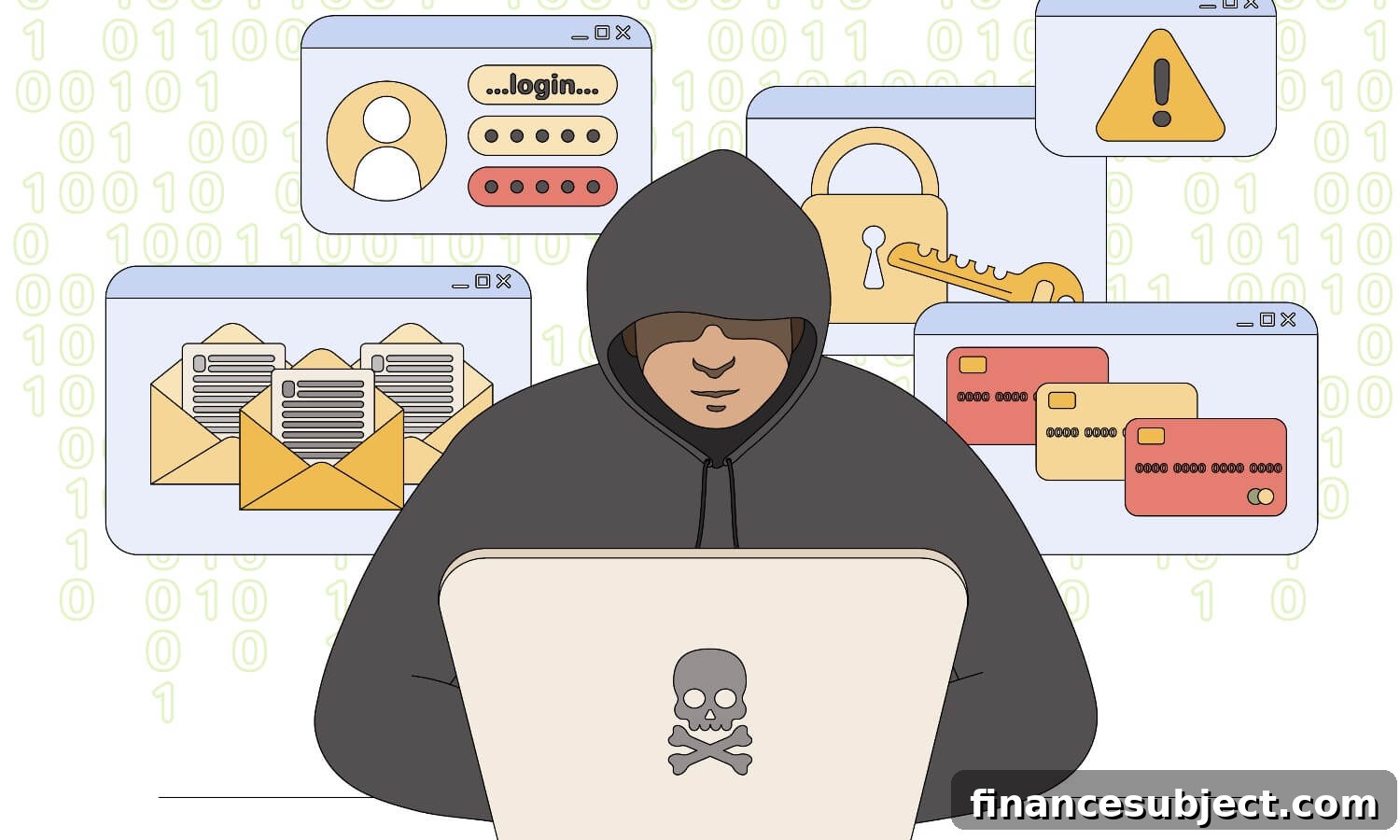
If it seems like scams are getting more sophisticated and common, you’re not imagining it. Advances in AI and other technologies have made it easier for fraudsters to design believable schemes, especially targeting borrowers with fake loan offers that promise quick approval or unusually low interest rates.
We spoke with Ardalan Shojaei, Chief Credit and Risk Officer at Fig, about findings from a recent fraud trends study. He shared how fraudsters operate, how to recognize red flags when shopping for loans, and what steps to take if you think you’ve been targeted or defrauded. Although March is fraud prevention month, these tips apply year-round—especially if you’re seeking credit or a personal loan.
AI and fraud trends
AI tools are now part of everyday life, and as those tools improve, they also change how fraud is carried out. The TD survey found that 75% of Canadians felt AI advancements made them more vulnerable to financial fraud, and 85% said they were more concerned about fraud than five years ago. An overwhelming 82% believe scams are getting harder to spot, and 24% reported that they or a family member experienced financial fraud or a scam in the past year.
Resource highlight
LoanFinder is moments away from showing your personalized loan matches
In under 60 seconds, get matched with a personalized list of loan providers based on your needs and approval likelihood. No SIN required.
Powered by ratehub.ca
According to Shojaei, fraudsters have shifted tactics. “They used to focus on attacking institutions directly—creating fake accounts and trying to bypass bank controls,” he explained. Financial institutions have since strengthened defenses, so many scammers now go directly after individuals. They offer fake loans or credit products to collect personal information and steal funds, often presenting themselves as legitimate lenders.
Red flags of a fraudulent lender
Fraudsters build credibility by copying real professionals’ contact information and photos, or by fabricating convincing profiles. They prey on trust and emotions. Watch for these specific warning signs when evaluating any lender or loan offer:
- They create a sense of urgency—pressure to act immediately or lose the opportunity
- They promise guaranteed approval regardless of credit history
- They require upfront fees or payments before funds are released
- They are intentionally vague about loan terms, rates, or fees
- You cannot verify that they’re registered to operate in Canada
- They display poor communication—inconsistent or evasive responses
- They quickly request personal information like SIN, banking passwords, or account numbers
- The offer simply sounds too good to be true
Scammers often manipulate emotions—urgency, fear, authority, or excitement—to prevent clear thinking. The Canadian Anti-Scam Coalition notes that these tactics make people more likely to act impulsively. Remember: if an offer seems too good to be true, it probably is.
Investment-themed scams are especially costly. The Canada Anti-Fraud Centre reports investment scams as among the highest dollar losses, with nearly $700 million lost annually; since only about 5–10% of scams are reported, the true toll is likely much higher.
How to protect yourself from fraud
When something feels off, stop and think. Don’t let anyone rush you into a decision. Take time to research the lender or offer before sharing personal or financial information.
Practical steps to protect yourself:
- Verify the lender’s registration. Use official regulator searches like the CSA database to confirm the company is authorized to operate in Canada.
- Never provide sensitive details—such as your SIN, online banking credentials, or full account numbers—unless you have confirmed the recipient’s identity and legitimacy.
- Ask for clear, written contract terms. If the lender refuses to provide a formal agreement, walk away.
- Hang up if someone calls claiming to be from your bank and you’re unsure. Then call your bank directly at a known official number.
- Tell friends and family if you were approached—sharing information helps others avoid the same trap.
- Regularly monitor credit cards, bank statements, and credit reports for unauthorized charges or accounts you didn’t open.
AI: risk and protection
While AI has increased the scale and sophistication of scams, financial institutions also use AI and large language models to detect suspicious patterns—analyzing applications and transactions to spot potential fraud and alert customers.
What to do if you’re the victim of a loan scam
If you think you’ve been scammed, it’s normal to feel overwhelmed. First, slow down and collect any evidence: save emails, messages, screenshots, and bank records. Shojaei emphasizes that victims should not blame themselves: “You’re not alone. These are trained professionals—often organized criminals.”
Report the scam promptly to the Canadian Anti-Fraud Centre, your local police, and your bank. Informing all relevant institutions helps them detect patterns, pursue perpetrators, and protect others. Notify your credit card companies, change online banking passwords, and consider placing fraud alerts with credit bureaus such as TransUnion and Equifax to reduce the risk of new accounts being opened in your name.
Reach out to friends and family for emotional and practical support—scammers often isolate victims, so reconnecting helps. If you’ve suffered significant financial harm, contact a nonprofit credit counselling agency to help create a recovery plan and manage debt.
For further help, organizations like the Canadian Anti-Scam Coalition, Equifax’s identity education resources, TransUnion’s fraud assistance, provincial guides such as Ontario’s Spot the Scam, and lender resources like Fig’s guide to avoiding fraud provide practical information for spotting and recovering from scams.
The bottom line
Sophisticated AI tools have increased the scale of fraud, but scams still succeed by exploiting basic human trust and emotion. The best defenses are simple: pause and think, verify the legitimacy of lenders, insist on written terms, and discuss offers with trusted friends or family. Staying vigilant and informed is the most effective way to protect your finances from loan scams.
Newsletter
Get free MoneySense financial tips, news & advice in your inbox.
Read more about fraud and scams:
- How to protect your small business from fraud
- How to protect your email account from scams and fraud
- How to protect your social media accounts from fraud