
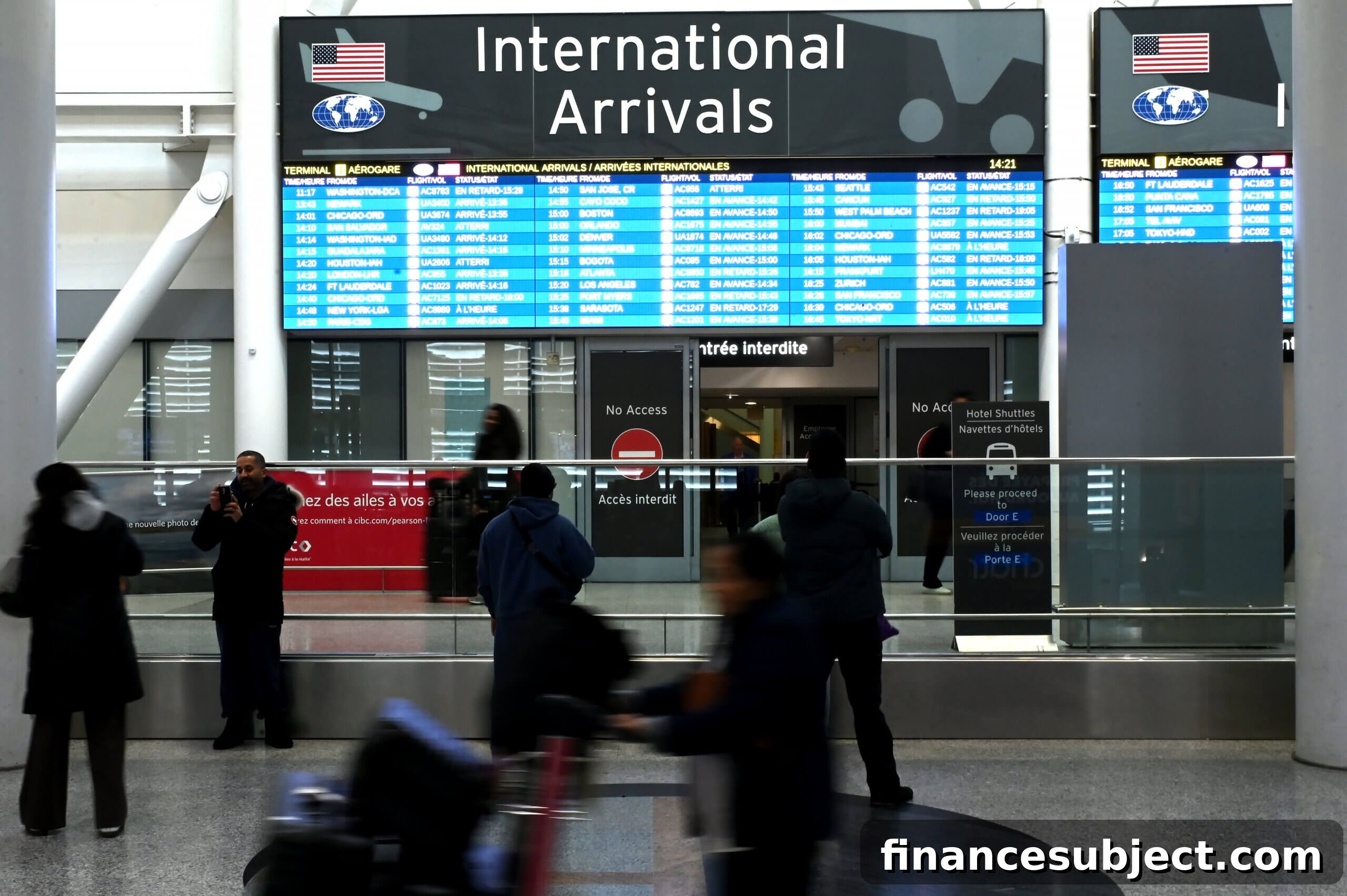
Airlines worldwide are raising fares and adding fuel surcharges as oil prices surge following the outbreak of war with Iran, and Canadian carriers are no exception. Several airlines said this week that passengers should expect higher ticket costs — and in some cases those increases are already in effect — as carriers respond to the rising operating costs tied to the conflict, which entered its 12th day on Wednesday. Air Canada spokesman Peter Fitzpatrick noted that “all airlines are subject to the current volatility” and that booking prices shift continually in response to market movements.
Jet fuel surge drives airlines to raise fares worldwide
Fuel is often an airline’s largest single expense. In 2024 Air Canada spent more than $5.1 billion on jet fuel, roughly 24% of its operating costs — the carrier’s biggest line item.
“The recent sharp increase due to the situation in Iran has already made operating flights more expensive. Based on this, it’s likely further pricing adjustments may be needed,” said WestJet spokeswoman Julia Kaiser in an email.
Some carriers have already begun to reflect those higher costs in fares and surcharges. Air Transat, for example, has started applying greater fuel surcharges on flights to Europe as regional jet fuel prices climb. “What we’re also doing is currently raising fares on peak travel dates and routes where we see less competition,” Transat A.T. Inc. CEO Annick Guérard told analysts on a conference call Tuesday.
Major international carriers including Air New Zealand, Qantas Airways of Australia and Scandinavian carrier SAS have also announced rate increases in recent days.
Jet fuel prices have swung dramatically. According to the Platts jet fuel index, prices spiked 81% in one week and on Tuesday were about 52% higher than levels on Feb. 27, the day before the U.S. and Israel launched strikes. Global jet fuel climbed as high as nearly US$4.37 per gallon last week and was around US$3.67 per gallon on Tuesday, up from roughly US$2.41 per gallon on Feb. 27. That volatility tracks a sharp rise in crude oil, which has jumped well above pre-conflict prices — roughly 40% higher than before the strikes began.
Featured travel credit cards
Scotiabank Gold American Express Card
GO TO SITE
Annual Fee:
$120
Interest Rates:
20.99% purchase, 22.99% cash advance, 22.99% balance transfer
Welcome offer:
$450 value
Earn 25,000 bonus Scene+ points by making at least $2,000 in everyday eligible purchases in your first 3 months. Earn an additional 20,000 Scene+ point bonus when you spend at least $7,500 in everyday eligible purchases in your first year.
American Express Cobalt Card
GO TO SITE
Annual Fee:
$192
Interest Rates:
21.99% purchase, 21.99% cash advance, N/A balance transfer
Welcome offer:
$150 value
Earn 1,250 points for each month you spend $750, up to a maximum of 15,000 points.
MBNA Rewards World Elite Mastercard
GO TO SITE
Annual Fee:
$120
Interest Rates:
21.99% purchase, 22.99% cash advance, 22.99% balance transfer
Welcome offer:
$200 value
Earn 20,000 bonus points (approximately $165 in cash back value) after you make $2,000 or more in eligible purchases within the first 90 days.
Jet fuel, diesel and gasoline all come from crude oil, so changes in crude prices flow through to each product. Analysts say jet fuel is under especially severe pressure because it is stored in specialized tanks and tends to have the lowest inventories. June Goh, an analyst at Sparta Commodities, warned that a significant shortage of jet fuel could develop in the weeks ahead.
Those cost pressures are already being reflected in consumer fares. John Gradek, an aviation management instructor at McGill University, estimates that fares from Canada to Europe could rise by $100 to $200 and that flights to Asia could see increases as large as $400.
One practical example: a sample Air Canada itinerary from Toronto to Frankfurt for next month shows a base fare of $741 plus “carrier surcharges” totalling $380. While carriers cite multiple reasons for such add-ons, including fuel, navigation fees, insurance and peak-date pricing, it is often difficult for passengers to see exactly how much relates to fuel versus other items. “They tend to bury it into general fees,” said Gradek, calling the industry practice “obtuse accounting.”
Prolonged fuel disruptions could ripple through global economy
If elevated fuel costs persist, the effect will extend beyond airlines. Trucking and shipping firms, as well as many businesses that rely on freight and air cargo, may need to pass higher transportation costs on to customers, amplifying inflationary pressure across the economy.
The U.S.-Israeli strikes on Iran that began on Feb. 28 have effectively disrupted traffic through the Strait of Hormuz, a chokepoint that normally carries about one-fifth of the world’s seaborne oil shipments. Energy research firm Wood Mackenzie said the scale of the disruption is “unprecedented.”
Gulf producers typically supply roughly 20 million barrels of oil and refined products per day; analysts estimate that three-quarters of that output has been removed from available markets in the immediate aftermath of the strikes. Even if hostilities end soon, a rapid return to prior supply levels should not be expected.
“Barrels in storage at refineries or in port might be moved on vessels quite quickly. But if wells are shut in for a prolonged period, restarting production to full output could take weeks or even longer,” said Simon Flowers, chairman and chief analyst at Wood Mackenzie.
Budget airlines feel the pinch as fuel prices spike
Low-cost carriers are particularly exposed to fuel-price shocks because they operate with narrower margins and typically earn less from premium seats and corporate business. If ticket prices rise too much, many price-sensitive leisure travellers may defer or cancel plans, which would hit discount carriers harder than larger network airlines.
To limit exposure, many airlines use hedging strategies that lock in a portion of future fuel purchases at fixed or capped prices, acting like insurance against rapid price swings. Air Canada said it has contracts that fix the cost of a “small portion” of its fuel in the near term and draws supplies from multiple regions, which can help offset sharp regional price spikes. Gulf refineries supplied about 60% of Europe’s jet fuel last year, so disruptions there have driven up costs in both Asia and Europe.
Newsletter
Get free MoneySense financial tips, news & advice delivered to your inbox.
Read more about travel:
- How to find cheap flights anywhere
- Air Transat plans new loyalty program with Desjardins and Visa
- Practical money hacks for when prices feel out of control