
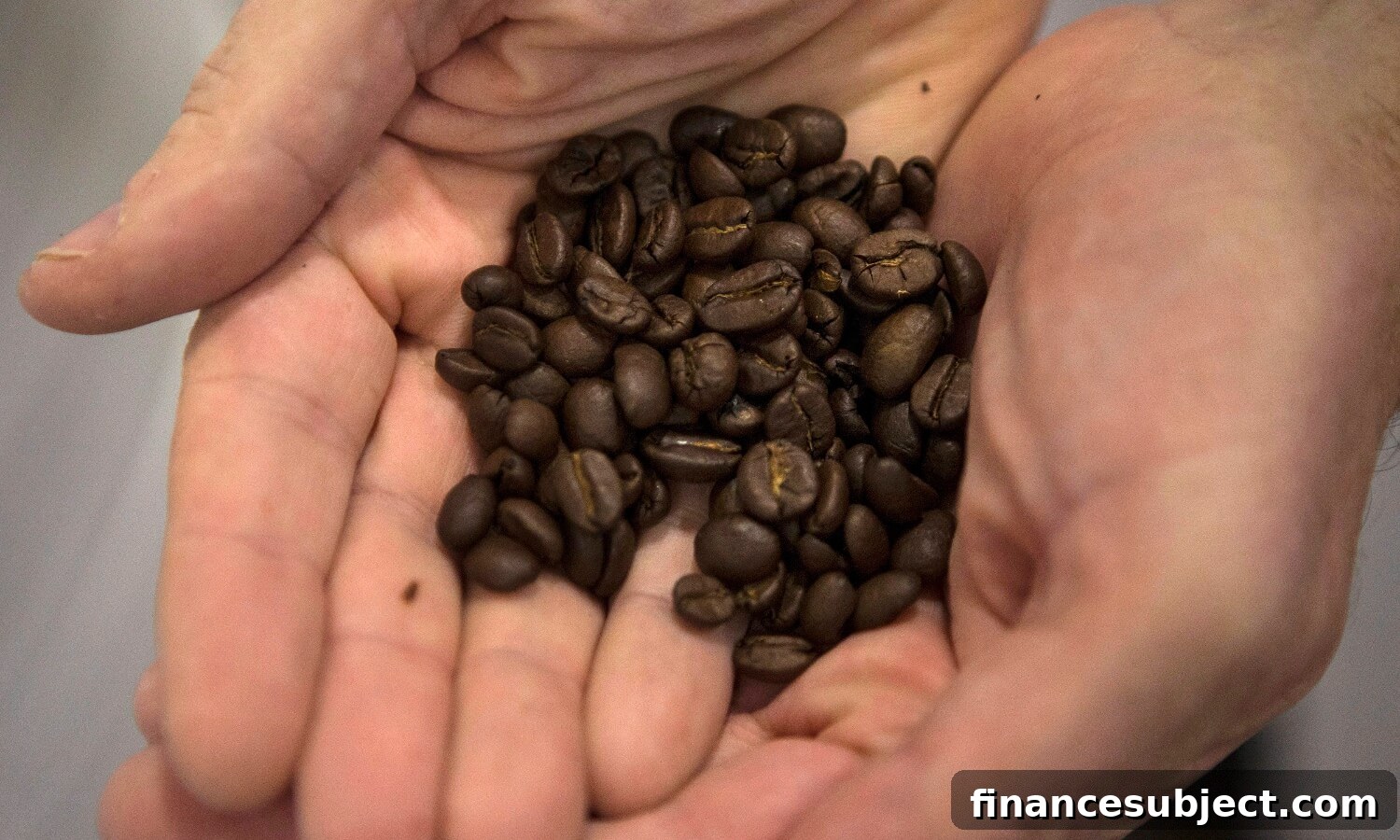
Your daily cup of coffee is getting noticeably more expensive as roasters and cafés cope with rising coffee bean costs. Experts point to climate change as the primary driver behind the ongoing surge in bean prices, because coffee crops are highly sensitive to temperature and weather shifts. Michael von Massow, a food economist at the University of Guelph, noted that growers have faced increases in disease and drops in yields that have reduced overall supply. “We’ve seen some increases in disease and some decreases in yield that have lowered supply, and basic economics 101—when supply goes down, prices go up,” he said.
Dry weather and production woes continue to brew higher coffee costs
Prices have remained elevated amid drought concerns in Brazil, one of the world’s largest coffee producers. Those production pressures are feeding through to consumers, whether they brew at home or pick up a cup at a café. Statistics Canada reports that grocery-store coffee prices for Canadians were 27.9% higher in August compared with the same month a year earlier.
Robert Carter, president of the Coffee Association of Canada, described the current upward pressure as an extension of last year’s trend. “The commodity side is still fluctuating, and the production side, we’re still seeing limited production challenges out of various countries such as Colombia and Brazil,” he said. Those disruptions translate into less predictable supplies and, ultimately, higher wholesale prices for roasters.
For many cafés and roasters, this comes on top of already rising operational costs. Carter pointed to increases in packaging and labour as ongoing challenges, and now the cost of green coffee beans is rising as well. “The cost of goods, which coffee would fall into, has definitely seen an increase … within the double digits,” he said. Taken together, higher ingredient costs and rising operating expenses squeeze margins and force difficult business decisions about pricing and menu offerings.
Tariffs and supply pressures squeeze smaller coffee roasters
Tariffs have also added price pressure in recent months, even as some counter-tariffs were lifted. Von Massow warned that smaller roasters are likely feeling the squeeze more than larger companies that can negotiate directly with producers. Small-scale roasters typically buy beans through brokers who aggregate supply from many farmers and exporting countries, which can increase costs when global commodity prices spike.
Those small roasters face a dilemma: raising retail prices risks losing customers, but absorbing higher bean and input costs can rapidly erode margins. “The smaller roasters are going to get squeezed, everyone gets squeezed, as costs go up because we as consumers are resistant to price increases and they don’t want to see volume go down,” von Massow explained. He added that smaller roasters have traditionally competed on product quality rather than price, but widening price disparities make it harder to maintain demand at previous levels.
Some relief may come as trade-related surcharges fade, but other costs are likely to be passed along to consumers. Larger coffee companies are already announcing modest increases; for example, Tim Hortons said it will raise the price of its coffee by an average of three cents per cup. “This is the first time in about three years that we’ve adjusted the price of coffee,” said Michael Oliveira, director of communications at Tim Hortons. “This is significantly below inflation and reflects our commitment to great value and everyday low prices for our guests.”
The coffee market’s roller-coaster ride isn’t over yet
The role of financial speculation has amplified volatility in coffee prices. Futures markets—where traders buy and sell contracts for future delivery—have swung and amplified price movements. Adam Pesce, president of Reunion Coffee Roasters in Oakville, Ont., described the past year as a “roller-coaster,” with speculators taking long positions while roasters try to buy as little as possible in the hope prices will decline.
Those market dynamics make planning and purchasing far more time-consuming for roasters. “It has been a very exhausting, very time-consuming year of watching the market,” Pesce said, pointing out that when prices are erratic, operational decisions become riskier and more complex than in steadier years.
Von Massow emphasized that climate-driven variability will continue to shape coffee prices from year to year. Some harvests will be better and some worse, and those yield swings will be reflected in global markets. “One thing that we can say definitively is that there’s going to be more variability in prices going forward,” he said, underscoring the likelihood that consumers and businesses will face intermittent price shocks tied to weather, disease and shifting production patterns.
Newsletter
Get free MoneySense financial tips, news & advice in your inbox.
Read more news:
- Sales up, prices down in GTA housing market
- Stock news for investors: Spinoffs, acquisitions, and market moves
- How your rent payments can help build your credit history
- Tariffs, government spending, gas prices—what’s driving inflation right now?