

Using a cashback credit card instead of cash can effectively give you a discount on everyday spending. Although most cashback rates are only a few percent, those returns add up over time—especially when you pick a card that matches your spending habits. Below is a clear, updated guide to the best cashback credit cards in Canada, with key features, pros and cons, and practical tips to help you choose the right card.
What is the best cashback credit card in Canada?
Choosing the best cashback card depends on where you shop, how you spend, and whether you prefer a simple flat-rate return or boosted rewards in specific categories. We highlight a gold, silver and bronze pick and summarize other top options to help you compare.
Gold: Rogers Red World Elite Mastercard
The Rogers Red World Elite Mastercard is our top pick for a straightforward, high-value cashback card in Canada. It pays a flat 1.5% on all purchases, with 3% on purchases made in U.S. dollars—useful for offsetting foreign transaction costs. The card also includes travel perks like lounge access and travel insurance and carries no annual fee.

Annual fee: $0
Rewards: 1.5% base rate (2% for Rogers, Fido and Shaw customers); 3% on U.S. dollar purchases.
Card details: Interest rates 25.99% purchases, 27.99% cash advances, 27.99% balance transfers. Income requirement: $80,000 personal. Credit score: 725+
Pros
- Simple, solid flat-rate rewards that apply to all purchases.
- Higher earn (2%) for Rogers, Fido and Shaw customers and amplified value when redeemed on Rogers accounts.
- No annual fee despite World Elite benefits; good U.S. dollar return.
Cons
- High income requirement may limit eligibility.
Silver: CIBC Dividend Visa Infinite
The CIBC Dividend Visa Infinite is ideal for people who want high returns on groceries and fuel. It offers generous category rates and flexible redemptions, plus exclusive fuel discounts at participating stations.
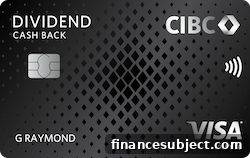
Annual fee: $120 (often rebated in the first year)
Rewards: Up to 4% on gas, EV charging and groceries; 2% on dining and transit; 1% on other purchases.
Card details: Interest: 21.99% purchases, 22.99% cash advances and balance transfers. Income: $60,000 personal or $100,000 household. Credit score: 725+
Pros
- Strong returns on groceries, fuel and everyday spending categories.
- Fuel discounts via partner programs and on-demand redemptions.
Cons
- Base 1% earn on other purchases is modest.
- Higher income requirements than many no-fee cards.
Bronze: Tangerine Money-Back Credit Card
The Tangerine Money-Back card is a flexible no-fee option that lets you choose up to three 2% bonus categories (two without additional conditions). You can change categories periodically and receive monthly payouts, making it a strong everyday option.
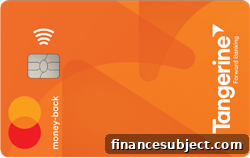
Annual fee: $0
Rewards: 2% in up to two (or three with automatic deposit to a Tangerine account) chosen categories; 0.5% on all other purchases.
Card details: Interest: 20.95% purchases, 22.95% cash advances and balance transfers. Income requirement: $12,000. Credit score: 660+
Pros
- Customizable bonus categories and monthly redemptions.
- No annual fee and free supplementary cards.
Cons
- Limited insurance benefits compared with premium cards.
Other top cashback credit cards
Below are notable alternatives for specific needs—American Express options, cards for students, low-APR choices, and premium cards with boosted rates.
American Express SimplyCash Preferred

Annual fee: $119.88 ($119 in Quebec)
Rewards: 4% on groceries and gas; 2% on other purchases.
Notes: Highest base earn rate in Canada for some users; Amex perks and solid insurance coverage. Amex acceptance is not as universal as Visa or Mastercard.
BMO CashBack World Elite Mastercard (Best for everyday spending)
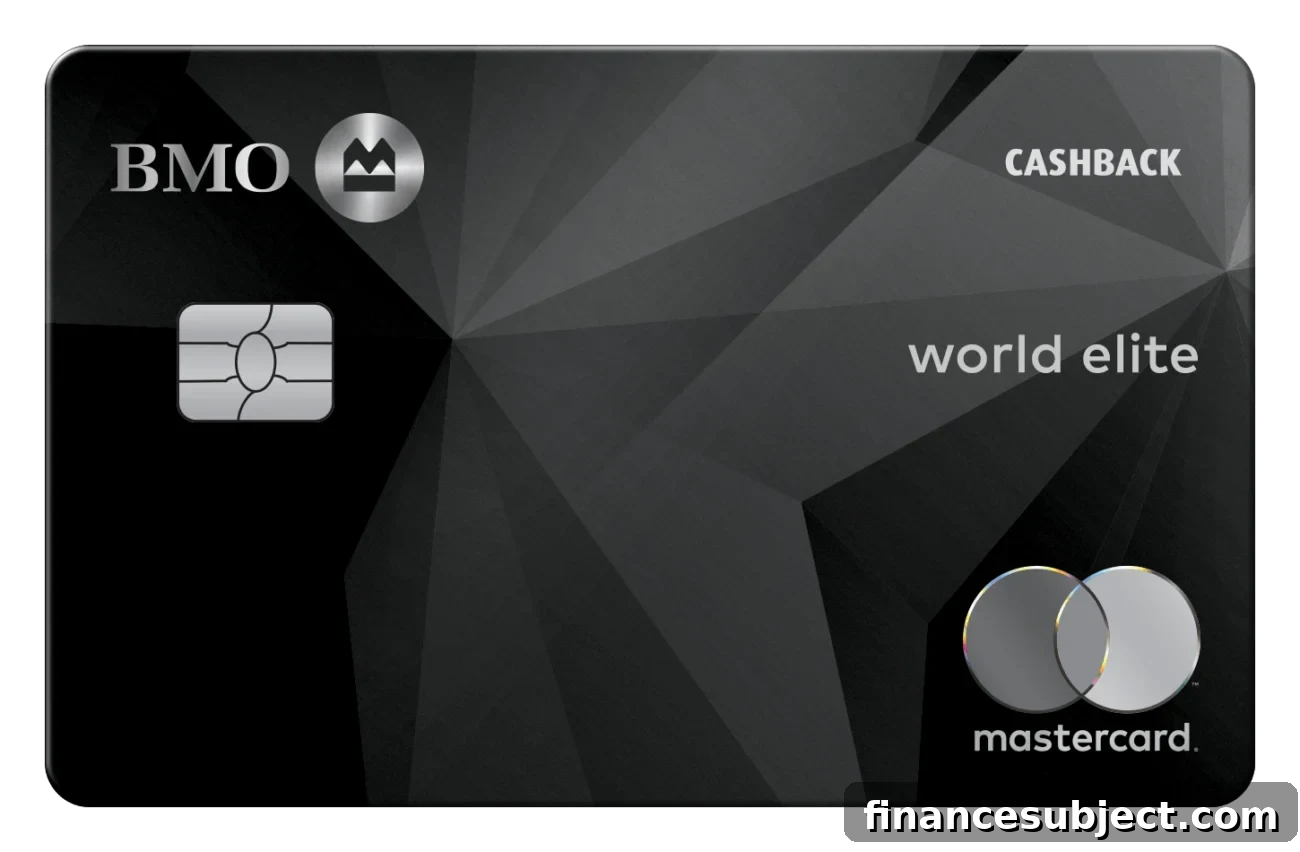
Annual fee: $139 (often waived first year)
Rewards: Up to 5% on groceries; 4% transit; 3% gas and EV charging; 2% recurring bills; 1% elsewhere.
Notes: Good category bonuses but monthly caps may limit earnings. Includes roadside assistance and extensive insurance.
Neo World Elite Mastercard (Best for boosted earn rates)

Annual fee: $149
Rewards: Strong grocery and category rates that can increase further if you hold qualifying Neo deposit balances.
Notes: Premium benefits and insurance, but higher income requirements and potential monthly caps on boosted rates.
BMO CashBack Mastercard (Best for students)
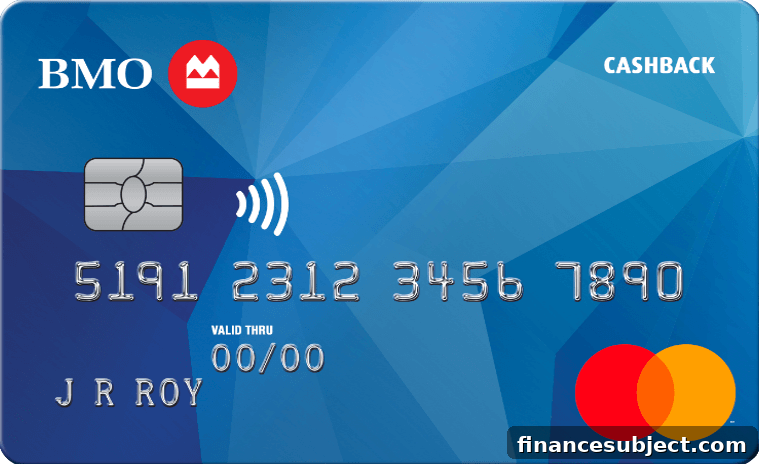
Annual fee: $0
Rewards: Up to 3% on groceries (first $500 per month), 1% on recurring bills, 0.5% on other purchases.
Notes: No annual fee, attractive grocery return for students, and flexible redemption options.
How cashback credit cards work
Cashback cards return a percentage of each purchase to you, either as statement credits, direct deposits, or account credits. Cards fall into three main types:
- Flat-rate cards: A single percentage on all purchases—simple and reliable.
- Tiered cards: Different rates by category (groceries, gas, transit, etc.) that reward targeted spending.
- Dynamic/customizable cards: Cards that let you choose bonus categories or automatically boost your highest-spending categories each month.
Cashback vs. rewards cards
| Feature | Cashback card | Rewards card |
|---|---|---|
| Earning structure | Cash back as a percent of spend | Points or miles for purchases |
| Redemption options | Statement credits, deposits | Travel, merchandise, gift cards, statement credits |
| Value potential | Usually fixed and predictable | Variable—depends on redemption method |
| Typical fees | Often low or no annual fee | Often higher for premium travel perks |
How to choose the right cashback card
Compare cards based on your regular spending: flat-rate cards suit people who want simplicity; tiered cards reward targeted spending in categories like groceries and gas; customizable or dynamic cards work well if your monthly spending patterns change. Consider income and credit-score requirements, annual fees versus benefits, and how quickly you want to redeem rewards.
Frequently asked questions
Which card gives the most cash back?
By category, premium cards like the BMO CashBack World Elite can offer the highest rates in specific categories (for example, groceries). For a reliable base rate on all purchases, flat-rate cards such as the Rogers Red World Elite are hard to beat.
Are cashback credit cards worth it?
Yes—cashback cards deliver flexible value without blackout dates or complicated redemption charts, making them a practical way to earn rewards on everyday spending.
Is there a card that gives 5% cash back?
Some cards offer 5% in specific categories (often groceries) or as a promotional earn rate. Make sure to check monthly caps and eligibility rules before applying.
Final thoughts
Don’t dismiss cashback cards with annual fees; if the rewards and perks outweigh the fee based on your spending, a fee-based card can still be the best net value. Take the time to match card features to your habits, and remember you don’t need to bank with a particular issuer to use their credit card.
Images used in this guide are included to help you recognize the featured cards.