
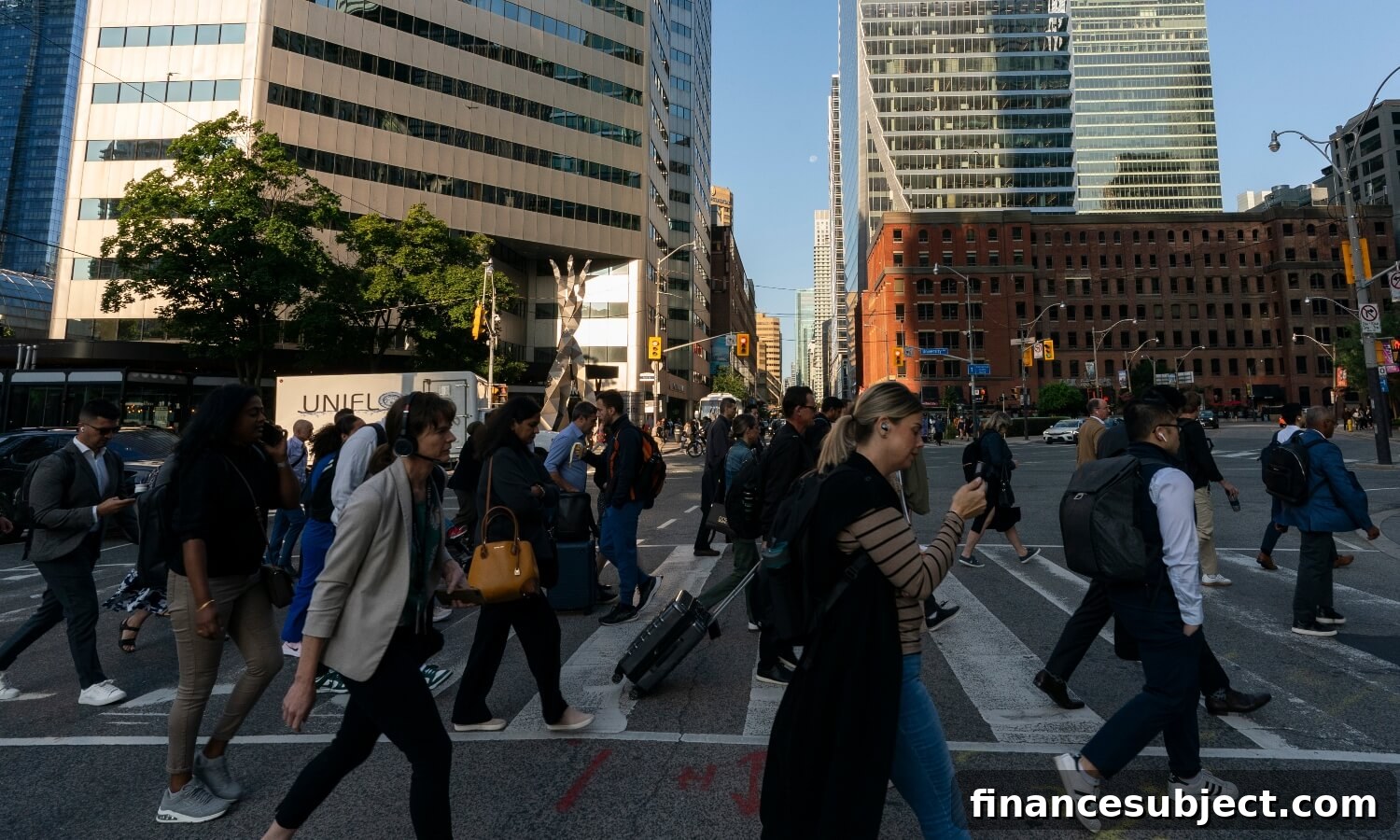
The return to in-person work is well underway: trains and buses are crowded again, weekday traffic has become a daily struggle, and downtown spots are busier during peak hours. For many Canadians, the five-day office routine is making a comeback, but it’s not identical to what it was before the pandemic. Prices for groceries, fuel and everyday services have increased, while many paycheques have not kept pace. That combination is creating new financial pressure for employees who are required to be back in the office.
Those spending more days away from home face additional costs that didn’t exist, or were smaller, during remote work: commuting fares or fuel, parking fees, more frequent lunches and coffees purchased out, and services such as dog walking or daycare for longer hours. Even seemingly small habits can add up quickly.
Returning to the office could add up to $1,000 per month
Financial educator Eduek Brooks estimates that returning to the office full-time could cost between $800 and $1,000 per month for some people. That figure includes driving and parking, eating out several times a week, and incidental expenses like replacing clothing and personal care items that you use more often when you’re in the office.
Brooks warns there can be a “sticker shock” when those regular costs reappear. People accustomed to saving on commuting, lunches and work-day purchases may feel the impact in the first few weeks or months of returning to a full in-office schedule.
To manage that transition, experts urge employees to look for financial flexibility and to reframe spending priorities. Caval Olson-Lepage, a certified financial planner at Innovation Wealth, recommends returning to the basics of budgeting: clearly distinguishing wants from needs and tracking where money is going. Small changes—such as cutting back on daily coffee runs to a once-a-week treat—can free up roughly $30 or more a month to help cover commuting costs.
Olson-Lepage shared how her pandemic habit of redirecting commuting money into a small personal hobby—buying more books—has had to change as she resumes commuting. “Now that I’m going back to work… I need that money now to go back to spending on gas,” she said, underscoring how quickly priorities shift when routine changes.
Working from home didn’t always reduce costs
There’s an assumption that working from home automatically saved money, but that’s not always true. Certified financial planner Sara McCullough points out that remote work sometimes led people to add subscriptions, conveniences, or home expenses they hadn’t had before. She encourages people to take an honest look at how their spending habits evolved during the pandemic and which of those expenses can be trimmed or cancelled now that they’re back in the office.
McCullough also suggests exploring ways to increase income to offset higher commuting costs, such as discussing a raise with an employer or seeking a higher-paying role. She notes that returning to the office isn’t a simple reversion to pre-pandemic life: “You’re not who you were pre-pandemic,” she says, and your needs and priorities may have changed as well.
Plan ahead to keep office days affordable
Practical planning and disciplined habits make the transition easier. Olson-Lepage recommends routine prep work—like planning and preparing lunches on Sundays—so decisions during busy weekdays don’t push you toward costly convenience purchases. Batch cooking, prepacking snacks and drinks, and preparing outfits in advance can prevent impulse spending and reduce weekday stress.
Brooks advises buying snacks in bulk and keeping them at your desk to avoid vending machines, cafeteria prices or last-minute runs for a drink. Having an affordable, ready option can stop small cravings from turning into repeated purchases that quickly add up.
Other cost-saving strategies to consider include:
- Reassess subscriptions and memberships added during the pandemic and cancel those you no longer use.
- Compare commuting options—public transit passes, carpooling, or cycling—against the cost of driving and parking each day.
- Look into employer benefits that may offset costs, such as transit subsidies or flexible spending options.
- Negotiate work flexibility where possible, like a hybrid schedule that reduces commuting days and related expenses.
- Set a short-term budget buffer for the first six to twelve months back in the office to ease the transition.
Brooks cautions that in the first six months to a year, many people may not be able to save as much as they did while fully remote, especially if they made larger lifestyle changes during that time. But as routines settle, it becomes easier to identify where ongoing savings are possible and to build them into a sustainable monthly budget.
Rankings
Compare the best HISAs rates in Canada
Newsletter
Get free MoneySense financial tips, news & advice in your inbox.
Read more news:
- Bank of Canada cuts interest rates to combat slowing economy
- Canadian Tire, Tim Hortons form loyalty program partnership
- Canadian home sales hit four-year August high as fall market heats up
- Stock news for investors: Groupe Dynamite Q2 profit jumps to $63.9M on strong sales growth