
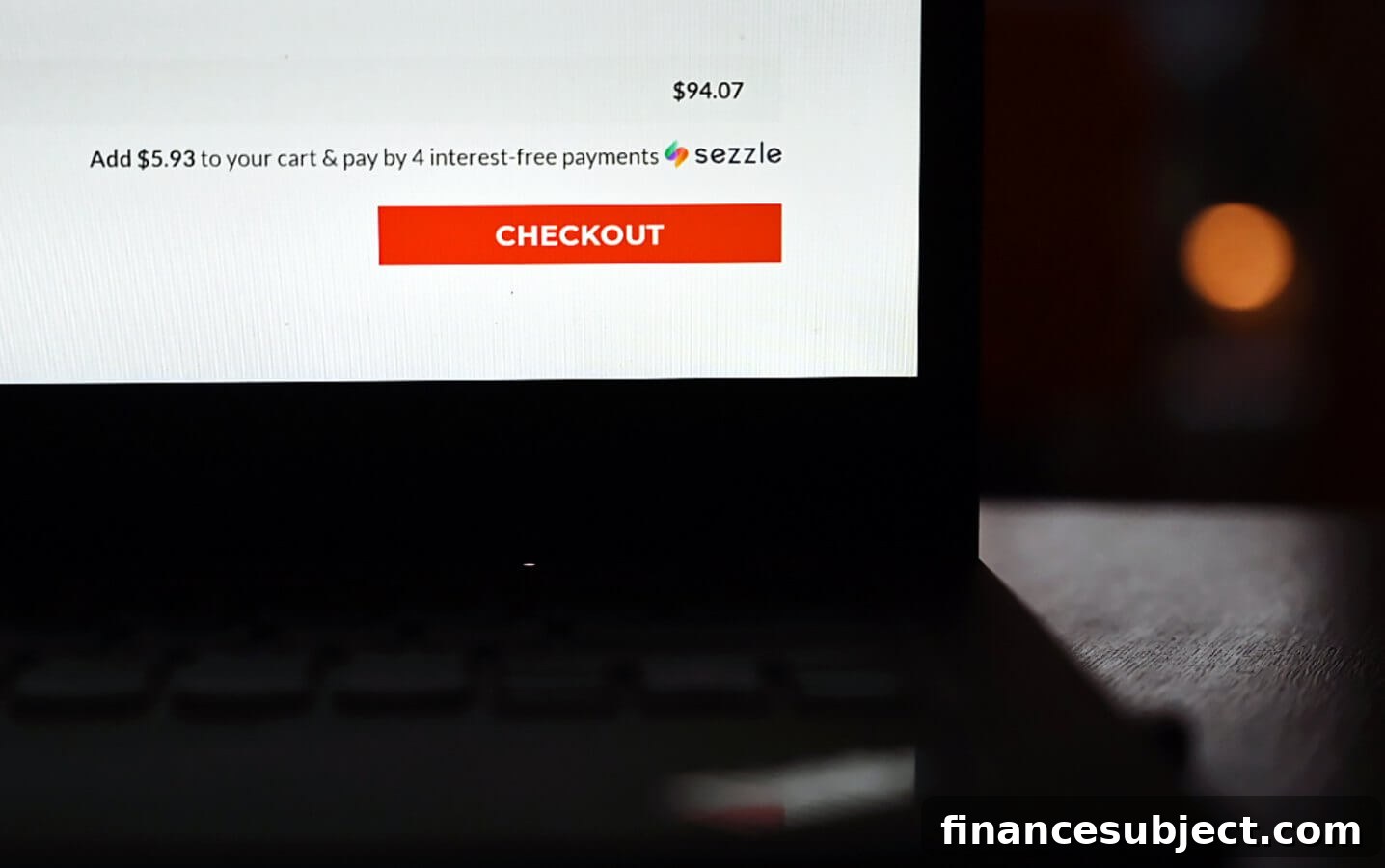
When a service is offered for free, it helps to understand who is actually paying and why.
Buy now, pay later (BNPL) financing has grown rapidly because it allows shoppers to split purchases into interest-free installments over weeks or months. Retailers typically cover the fees charged by BNPL providers, betting that the option will encourage customers to spend more at checkout.
Providers such as Affirm and Klarna pitch their services to merchants as a way to increase average order values and reduce cart abandonment. Shopify has reported that offering installments can increase average order value and cut the number of abandoned carts, which helps explain the popularity of BNPL among online and in-store merchants.
Buy now, pay later could lead to overspending
Although BNPL can make payments more manageable for many shoppers, experts warn it is not risk-free. The convenience and perceived affordability can encourage impulse purchases and lead consumers to take on more debt than they intended.
“The temptation is very great to overspend,” said insolvency trustee Doug Hoyes. With BNPL options presented at checkout—either online or through a cashier—consumers may accept the offer without fully considering the long-term impact.
Hoyes notes that for most people, BNPL amounts are relatively modest, often in the hundreds rather than thousands of dollars, but they still represent borrowed money. “For the vast majority of people, you are taking on debt without really realizing it. You’re not making a conscious decision that yes, I will borrow that money. And that’s dangerous, obviously.”
BNPL payments might soon affect your credit score
CNBC and industry reports show momentum toward including BNPL activity in credit reporting. In the U.S., FICO announced it was developing credit scores that incorporate BNPL data. Affirm recently said it began sharing data with TransUnion in the U.S., and plans to expand reporting to Canada, arguing that this supports responsible lending and can lead to better credit outcomes.
In Canada, Equifax has already indicated that some BNPL data is appearing on credit reports and may be used to calculate scores. TransUnion has said it is working on how best to represent BNPL on reports, possibly by creating a distinct section to reflect these products’ unique features, according to a company spokesperson.
What is a credit score?
A credit score is a three-digit number—commonly ranging from 300 to 900—that summarizes how reliably someone manages credit. It reflects factors such as on-time payments and outstanding balances. A higher score makes it easier to access loans and credit on favorable terms. —MoneySense Editors
BNPL companies raising concerns about sharing data
Not all BNPL providers agree that their data should be included in traditional credit reports. Some firms worry that existing reporting frameworks do not capture the nuances of installment plans and that misclassification could harm consumers.
Klarna has stated it does not share BNPL data with U.S. credit-reporting agencies and confirmed it does not share such data with Canadian agencies either. The company argues that adding BNPL into current scoring models without clear long-term evidence could be risky for consumers.
Other providers follow different approaches: some do not report BNPL activity to credit bureaus at all, while others offer voluntary reporting options tied to specific programs that consumers can opt into to build credit.
Read the terms and conditions carefully
Differences in provider policies are a reminder to compare terms before you sign up. Consequences for missed payments vary: some platforms may temporarily block new purchases when a payment is late, while others can charge late fees or escalate unpaid balances to collection agencies.
BNPL offerings are also evolving. Beyond short-term, interest-free plans, many companies now offer longer-term financing with interest rates that can climb into the double digits. Partnerships with merchants selling high-ticket items—like fitness equipment or travel—mean BNPL can be used for much larger purchases, increasing potential exposure to debt.
There is also the risk of account stacking: consumers may have multiple active BNPL plans across different providers, making it harder to track overall obligations. Natasha Macmillan, head of everyday banking at Ratehub.ca, warns that zero-interest options can create a false sense of affordability. She recommends tallying all active BNPL commitments to ensure you can cover every payment without sacrificing other financial priorities.
The effect of cheap loans on providers
While most borrowers repay BNPL balances, providers are beginning to feel the impact of rising consumer credit losses. Some companies have reported increases in defaults and higher overall losses, signaling potential stress within segments of the industry.
Even where loss rates remain relatively low, the critical question is whether BNPL encourages spending that displaces other planned saving or essential expenses. Experts advise shoppers to plan purchases and consider how installment payments fit into their broader budget before accepting BNPL offers.
“There’s nothing wrong with using a credit card or buy now, pay later or a car loan or a mortgage or anything like that,” Hoyes said. “It’s when you don’t have a plan, when it becomes an impulse purchase when you’re standing at the store, that’s when you can get into a bit of trouble.”
Read more about debt:
- Comparing buy now, pay later programs: Are installment plans a budget win or finance fail?
- Should I use retirement savings to pay off credit card debt?
- What is a consumer proposal? How does it work?
- How much credit card debt does the average Canadian have?
- Invest or pay off debt: A comprehensive guide for Canadians