
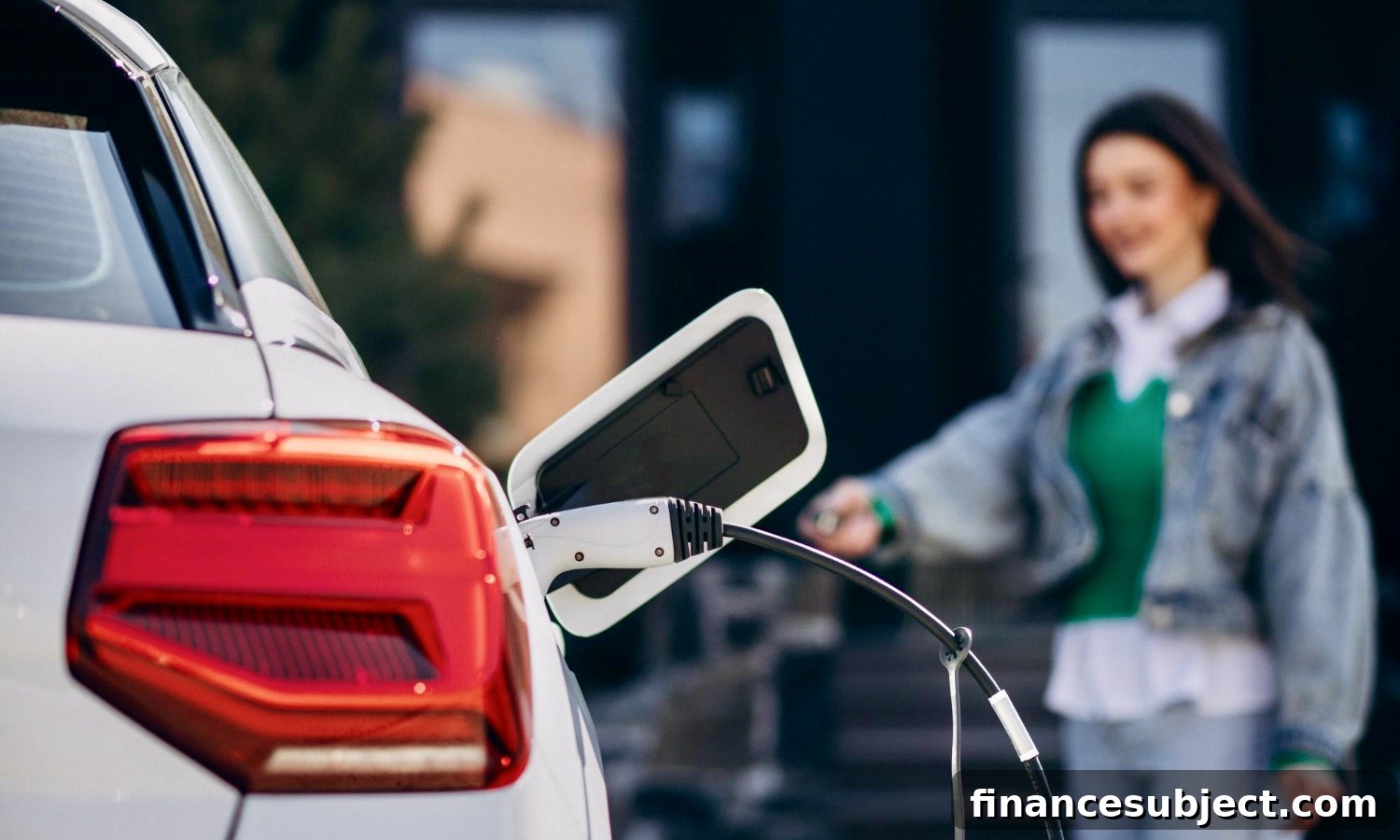
A growing number of car buyers are interested in electric vehicles (EVs), but many are put off by higher sticker prices. Federal and provincial rebates in Canada can lower the cost of buying a new electric car, van or truck and can also help cover the expense of installing home or public chargers. This guide summarizes the current rebates and incentives across provinces and territories as of May 2025 so you can see where savings are still available and what to consider before you buy. If you’re comparing costs, remember to include potential charging costs, home charger installation and insurance for an electric vehicle when budgeting.
featuredSpring FinancialFast online loan options with e-transfer funding and straightforward terms. Compare conditions to find a suitable option.find your rate
featuredgoPeerPeer-to-peer loan marketplace offering pre-qualification and a range of borrowing amounts. Review rate offers before committing.find your rate
EV rebates and incentives
How much is Canada’s EV rebate?
On January 12, 2025 the federal iZEV program, which had provided a $5,000 rebate since 2019, was paused after the program exhausted its allocated funding. Transport Canada confirmed the pause but has not announced a timetable for future funding or program changes. That federal pause means most national-level rebates are currently unavailable, but many provinces and territories continue to offer incentives for new and used electric vehicles, plug-in hybrids and charging equipment.
Provincial and territorial programs vary widely in size, eligibility and expiration. Some programs offer generous vehicle rebates, while others focus primarily on charging infrastructure for homes, multi-unit buildings or public and commercial installations. Below is a summary of incentives in effect at the time of writing (May 2025). Always confirm eligibility, application deadlines and specific model lists with the administering agency before you apply.
Resource highlight
Quick loan matching for auto purchases
Short on time? Use a brief questionnaire to receive personalized loan options that match your needs. Pre-qualification tools can help estimate monthly costs for a new EV purchase.
Powered by a third-party lender network
These provinces and territories currently offer incentives for electric vehicles and charging systems:
Alberta EV charging rebates
Alberta provides funding aimed at public and institutional installations. Eligible municipalities, schools, Indigenous communities, businesses and non-profits can access support for qualifying EV charging infrastructure, with funding available up to significant amounts per location for larger projects. These programs prioritize expanding public charging networks and enabling workplace and community charging.
British Columbia EV charging rebates
British Columbia ended its CleanBC vehicle rebates at the end of April, but it still supports charger purchases. Homeowners can apply for rebates that cover up to half the cost of a Level 2 charger and installation. For multi-unit residential buildings, B.C. offers rebates to help upgrade electrical infrastructure and install chargers, with funding available for apartment, condo and townhouse projects to encourage shared charging access.
Manitoba EV rebates
Manitoba’s provincial program provides rebates for new, leased and qualifying pre-owned EVs. Eligible buyers can receive up to several thousand dollars toward a new electric vehicle and lower amounts for leased or used vehicles. In addition, Manitoba Hydro offers financing and loan options for home energy improvements, which can include support for purchasing and installing EV charging equipment.
New Brunswick EV rebates
New Brunswick’s incentives remain among the most attractive, but they are scheduled to end on July 1, 2025. Residents can currently apply for up to $5,000 on eligible new electric and plug-in hybrid models, with smaller rebates available for used vehicles and plug-in hybrids that meet program criteria. Home charging incentives of up to 50% of the cost of a Level 2 charger (to a capped amount) are also available until the program closes. Commercial and community applicants can access substantial funding for fast-charger installations.
Newfoundland & Labrador EV rebates
Newfoundland & Labrador offers rebates for the purchase or lease of electric and plug-in hybrid vehicles. The provincial utility provides set rebate amounts for eligible fully electric vehicles and smaller rebates for plug-in hybrids. Applicants should consult the program’s vehicle eligibility list and application process to confirm whether a chosen model qualifies.
Northwest Territories EV rebates
The Arctic Energy Alliance in the Northwest Territories offers some of Canada’s largest vehicle rebates, including support for new battery-electric and plug-in hybrid vehicles as well as assistance for installing Level 2 home chargers. These incentives are designed to address higher transportation and fuel costs in northern communities and to increase access to zero-emission vehicles in remote regions.
A timely insurance comparison helps you budget for premiums and coverage differences for electric vehicles.
Nova Scotia EV rebates
Nova Scotia’s program for multi-unit residential buildings will stop accepting applications after June 30, 2025. Building owners who invest in charging infrastructure for apartments and condos can still apply for financial support until that deadline. The program helps cover costs for electrical upgrades and charger installations that enable shared access to EV charging for tenants.
Prince Edward Island EV rebates
Prince Edward Island offers some of the most generous vehicle rebates in Canada, with significant amounts available for eligible new EVs priced under program caps, as well as rebates for plug-in hybrids and used electric vehicles. Lease incentives are also provided. Although free chargers are no longer routinely supplied, recent increases in rebate amounts were intended to help offset charger purchase and installation costs for recipients.
Quebec EV rebates
Quebec continues to provide substantial support for electric vehicles, but planned reductions will gradually phase out these rebates through 2027. In 2025, buyers can still receive meaningful rebates for new fully electric vehicles, smaller amounts for plug-in hybrids based on battery size, and assistance for qualified used EVs. Quebec also offers help for installing home chargers and funds for multi-dwelling building installations to expand charging access in urban housing.
Yukon EV rebates
Yukon’s program offers rebates for new zero-emission vehicles and plug-in hybrids, with higher amounts for models that meet minimum all-electric range requirements. Additional support covers part of the cost to ship a used EV to the territory and offers partial funding toward home charger purchase and installation. These measures aim to make EV ownership more practical in northern communities where vehicle choice and transport logistics can be more costly.
Read more about autos:
- Best EVs in Canada for 2024
- How much is insurance for a new driver in Ontario?
- Canada’s auto theft crisis: What it means for your ride and your insurance
- Your complete guide to getting the best car insurance in Canada
Before you decide, check program eligibility, vehicle lists and application deadlines with the relevant provincial or territorial administrator. Incentives change frequently and amounts, qualifying models and deadlines can be updated at short notice. Factoring rebates, charging costs and insurance into your budget will help you choose the most affordable EV option for your needs.