
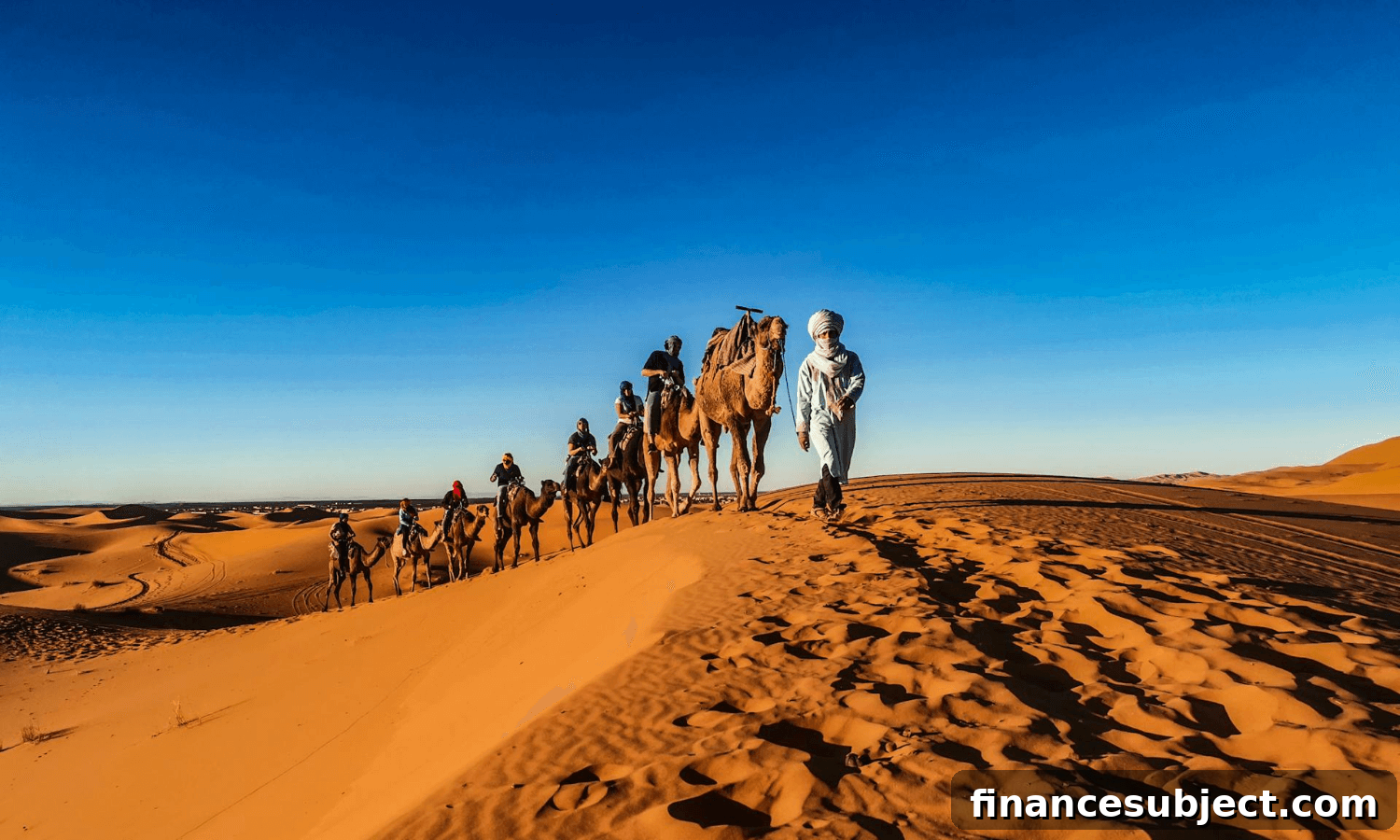
With U.S. markets unsettled and the Canadian dollar taking hits, many Canadians are looking for ways to save and for alternative destinations beyond the United States.
“We’ve seen a lot of the brand value of the U.S. be eroded. There’s this animosity towards travelling to the U.S.,” says Rahim Madhavji, president of KnightsbridgeFX, a Canadian foreign-exchange company.
As seasonal snowbirds return home for the summer, other Canadians aren’t necessarily stepping in to fill cross-border seats. Canadian carriers have reported declines in bookings to the U.S., as travellers shift toward other destinations, according to industry reporting.
“A lot of people booked their March Break in December and January, and a lot of snowbirds had decided what they were doing prior to the U.S. tariffs happening and the changing of the U.S.–Canada trading relationship,” Madhavji adds. “But you get the sense that activity is not going to be the same a year from now. We’re seeing Canadians start to pivot. Part of it is just the loonie is so bad—if you’re planning a Disney vacation, you’re paying $1.43 on the regular price. It’s largely unaffordable.”
Resource highlight
Find the perfect card with CardFinder
In under 60 seconds, get matched with a personalized list of the best credit cards based on your spending habits and approval likelihood. No SIN required.
Powered by ratehub.ca
5 destinations offering strong exchange value for Canadians
If you’re rethinking your travel plans, here are five destinations that are currently affordable for Canadians. Exchange rates below are current as of April 10, 2025, and all prices are shown in Canadian dollars.

Argentina
CAD$1 = 764.50 Argentine pesos (ARS)
If you crave steak and Malbec, tango nights and lively fútbol atmospheres, Argentina is an appealing and budget-friendly option right now. The Canadian dollar has strengthened versus the peso by roughly 17% compared with last year, making a destination that was already affordable even more so.
In Buenos Aires, four- and five-star hotels can be found for under $100 per night, and a hearty steak dinner typically costs about $30 to $50 per person.
If you go: Buenos Aires pulses with street art—don’t miss the long mural in the Barracas neighbourhood—and San Telmo remains the place to experience tango, whether you take a lesson or watch a live show.
What to know: Argentina is geographically vast. If you want to see Iguazú Falls, Mendoza’s wineries and Patagonia’s glaciers, plan for plenty of travel time and factor that into your budget.
Mexico
CAD$1 = 14.48 Mexican pesos (MXN)
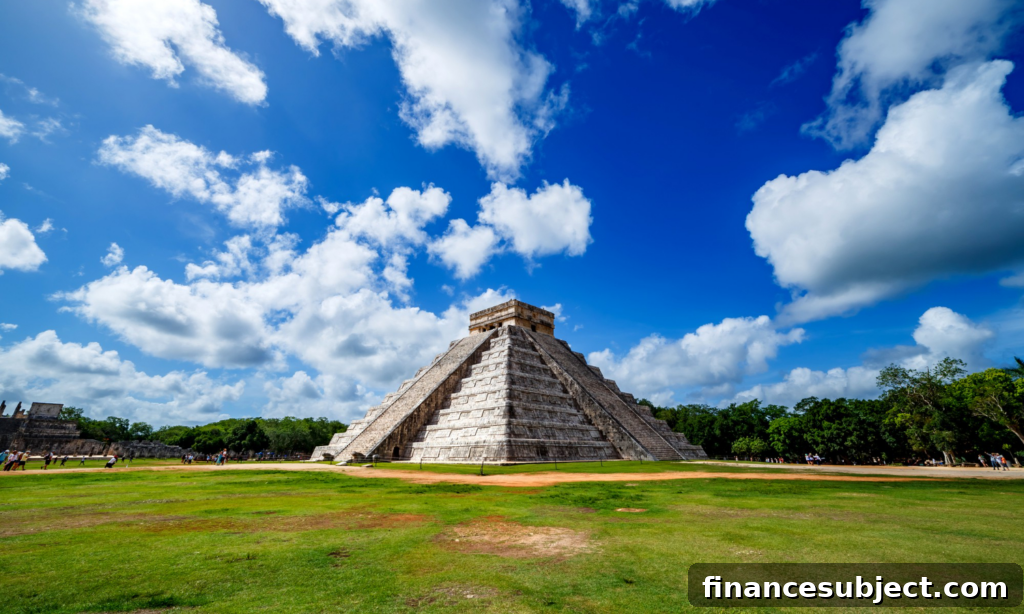
Mexico remains a favourite for Canadians due to short flight times from many Canadian cities and a wide range of affordable accommodation options, especially all-inclusive resorts. The loonie has strengthened about 17% against the peso since April 2024, increasing your purchasing power.
Prices vary by property and region, but you can frequently find last-minute packages or vacation rentals under $150 per night and save further by preparing some meals yourself.
If you go: On the Yucatán Peninsula, explore Mayan archaeological sites at Chichén Itzá and Tulum or swim in cenotes. On the Pacific coast, wander historic Puerto Vallarta or savour regional cuisine in Oaxaca.
What to know: While U.S. dollars are accepted in many tourist areas, carrying pesos is practical—especially in rural areas—and can help you avoid poor exchange rates for cash transactions.
Morocco
CAD$1 = 6.72 Moroccan dirhams (MAD)
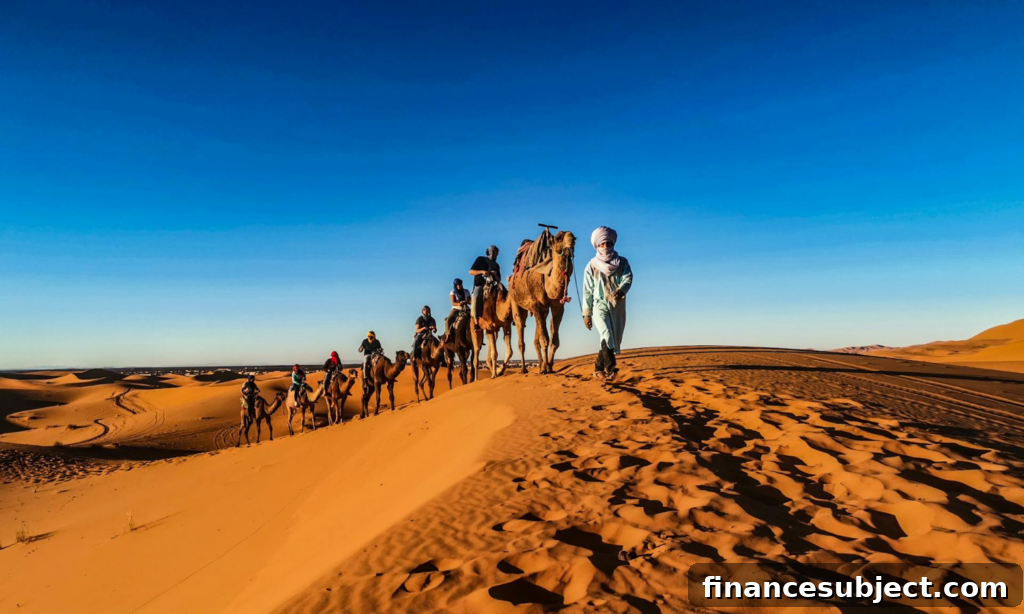
Morocco combines dramatic desert scenery, historic kasbahs and vibrant markets with affordability. Traditional riads can cost less than $50 per night, and a three-course dinner for two can run under $40. Guided one-week trips are also available for budget-conscious travellers, with many operators offering packages that exclude flights.
If you go: Spend an evening in Marrakech’s bustling medina, try a traditional hammam, or escape to the Sahara for a camel trek and overnight camp. Coastal Essaouira offers a calmer seaside alternative with surf and fresh seafood.
What you need to know: Morocco’s currency is not fully convertible outside the country. You’ll typically only be able to obtain dirhams after arrival and should plan to use or exchange any unused dirhams before departing Morocco.
Thailand
CAD$1 = 24.32 Thai baht (THB)
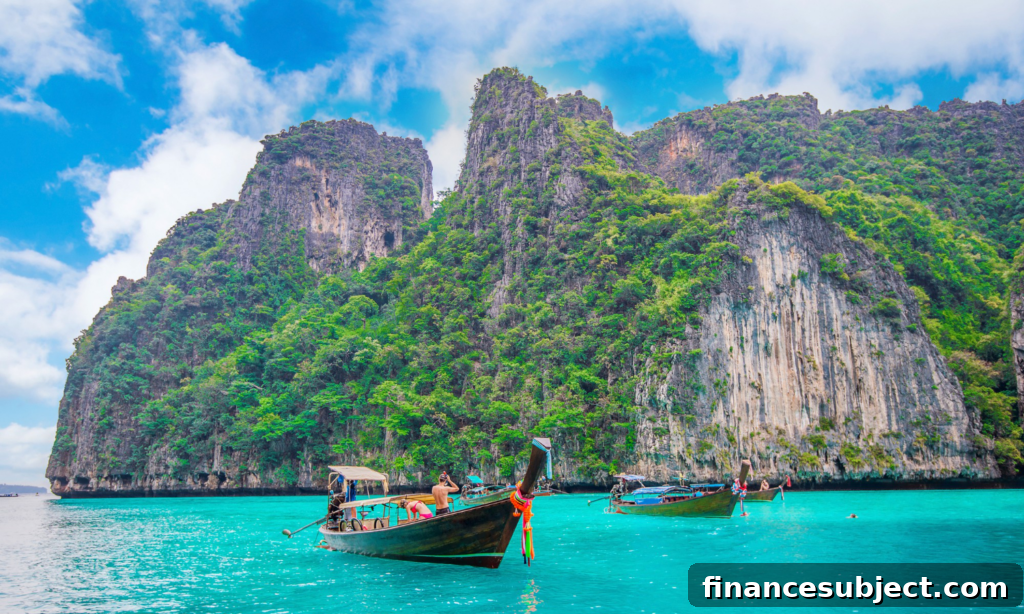
Thailand offers a wide range of price points. While ultra-luxury resorts can be expensive, comfortable beachfront accommodations are frequently available for $50 to $100 per night, and street food lets you enjoy outstanding meals for very low cost. Even higher-end restaurants can still be good value compared with North American prices.
If you go: Visit the islands and beaches for sun and water activities, then head north to Chiang Mai for temples, mountain scenery and cultural experiences like morning alms for monks.
What to know: Canadians receive a 60-day visa exemption on arrival if they can show onward travel, such as a return ticket or a ticket to another destination. You might also be asked to show proof of sufficient funds for your stay.

Türkiye
CAD$1 = 26.97 Turkish lira (TRY)
Sitting at the crossroads of Europe and Asia, Türkiye offers a unique cultural blend and excellent value right now. Coastal resorts and spa packages can be found for around $1,000 per week, and fine dining in Istanbul is often less expensive than comparable options in North America.
If you go: Explore the Grand Bazaar, step inside the Hagia Sophia to experience Byzantine and Ottoman history, or take a hot air balloon ride over Cappadocia’s surreal landscapes.
What to know: Political unrest has influenced the lira’s value. Protests can occur, especially in large cities, so check government travel advisories and local conditions before you go.
How Canadians can stretch travel budgets further
No matter which destination you choose, these practical strategies can help you maximize value and reduce costs on your trip.
Use credit card rewards
Choose a rewards credit card that earns points on everyday spending and allows you to redeem those points for flights and hotels. Many Canadian rewards cards offer accelerated points on groceries and travel purchases, which can add up quickly toward free or discounted travel.
Travel off-season
Traveling outside peak periods—such as March Break, summer holidays and the winter holidays—can yield smaller crowds and lower prices. Before booking, check local festivals and public holidays at your destination, since those events can drive up demand and costs.
READ NOW
Use an eSIM
eSIMs let you download a local mobile plan digitally before you travel, avoiding the need to swap physical SIM cards. Depending on provider and region, short-term eSIM plans with a couple of gigabytes of data are often available at modest prices.
Exchange money the smart way
Avoid airport currency exchange kiosks, which typically charge high premiums. Plan ahead and get currency from your bank or a reputable currency exchange at home for a better rate. Also consider using a credit card that waives foreign transaction fees to avoid additional charges when you pay abroad.
“You’re paying a huge rent premium by buying currency at the airport,” Madhavji warns. “It’s not cheap for those places to be there, so to sell currency, the location and rent costs get passed down to the consumer in the form of a premium.”
Making the most of your money abroad
Although the Canadian dollar may be weaker than many of us would like, you don’t have to shelve travel plans. Plenty of destinations still deliver strong value for Canadians, and with careful planning—using rewards, choosing the right season, managing exchange rates and picking sensible local options—you can enjoy a memorable trip without breaking the bank.
Newsletter
Get free MoneySense financial tips, news & advice in your inbox.
Further reading on travel
- Affordable family vacations: How to travel when the Canadian dollar is weak
- Top ways that credit card fees can sneak into your trip
- Canadians turn domestic for holiday travel
- Credit cards that can help you save on travel to Orlando
- Travelling from Canada with pets: what it could cost